




Driven by invisible forces within the power sector and the government’s apparent double standards, Sri Lanka’s ambitious target of fulfilling 70% of its national electricity demand through renewable energy by 2030 shows signs of a total collapse. Member of Parliament Dayasiri Jayasekara made these critical disclosures during a recent press briefing held in Colombo.
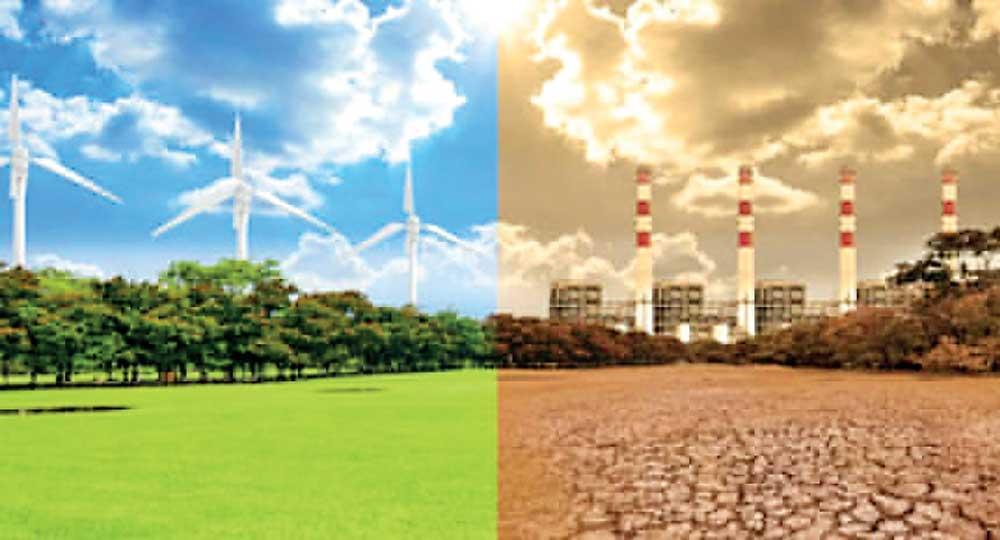
The Chasm Between Rhetoric and Reality
The government recently announced the Cabinet-approved ‘2025-2030 Renewable Energy Resource Development Plan’, reiterating its commitment to achieving the 70% target by 2030 and reaching net-zero carbon emissions by 2050. However, despite such grand environmental pledges on international platforms, MP Jayasekara points out that the government’s current trajectory makes it practically impossible to reach even the 30% mark in the renewable sector.
Rs. 85 for Fossil Fuels, A Mere Rs. 17 for Solar
The crux of the controversy lies in the highly discriminatory tariff policy adopted by authorities for electricity purchasing. The government is reportedly planning a drastic cut to the tariff paid for locally generated, environmentally friendly rooftop solar power, bringing it down to a meager Rs. 17 per unit.
In stark contrast, the state continues to pay a staggering Rs. 85 per unit for electricity generated from imported fossil fuels—a process that not only inflicts massive environmental damage but also drains the country’s precious foreign reserves. This glaring disparity raises serious suspicions as to whether clean energy is being deliberately discouraged to pave the way for fossil fuel monopolies and vested business interests.
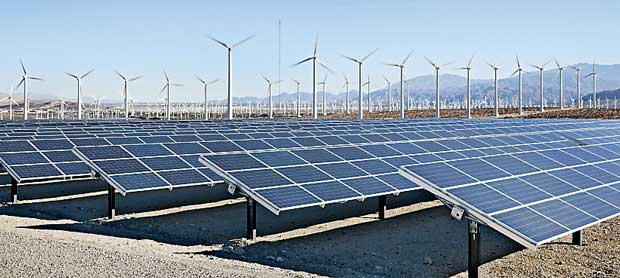
A Ploy to Drive Away Investors?
MP Jayasekara emphasized that imposing a rock-bottom price of Rs. 17 per unit will inevitably deter both local and foreign investors from entering the solar energy sector. This move threatens several devastating consequences:
- Collapse of the Green Economy: Strangling the domestic renewable energy industry just as the rest of the world rapidly transitions towards sustainable power.
- An Unfair Burden on Consumers: Blocking low-cost solar energy and maintaining a heavy reliance on expensive fossil fuels ultimately forces the crushing weight of high electricity bills onto the public.
- A Severe Blow to Environmental Conservation: Reducing Sri Lanka’s international climate pledges to mere words on paper.
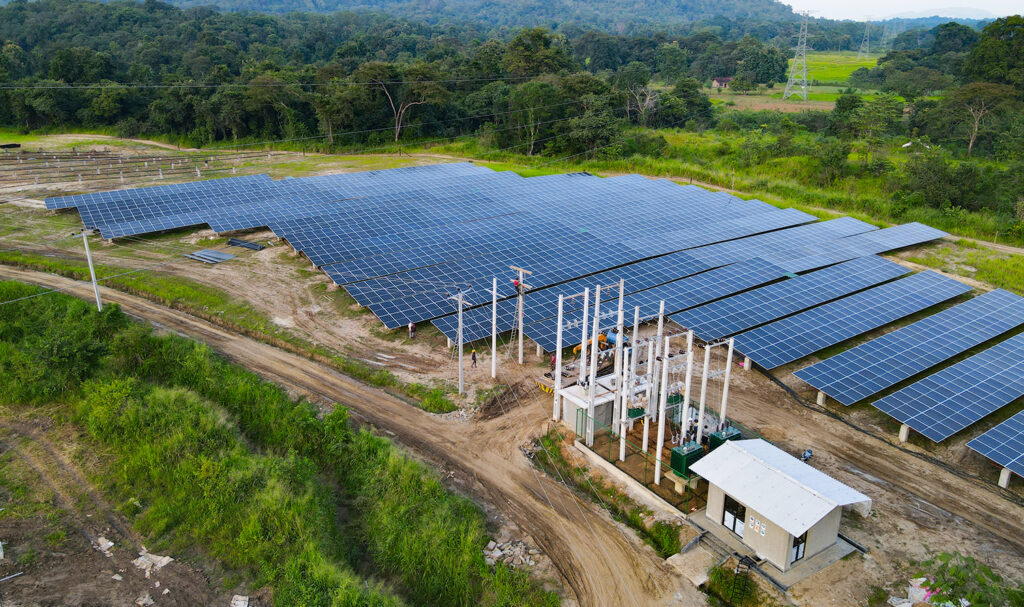
The decisions of policymakers have cast a dark shadow over the future of renewable energy in Sri Lanka. The massive contradiction between state policy and practical implementation leaves the authorities, and society at large, confronting serious questions regarding good governance, accountability, and transparency in the nation’s energy sector.