




Sri Lanka Railways (SLR) is confronting a crisis that can no longer be dismissed as a routine problem of an ageing state enterprise. Behind cancelled trains, chronic delays and deteriorating services lies a deeper institutional failure involving staff shortages, weak revenue generation, decaying assets, procurement controversies and years of inadequate internal oversight.
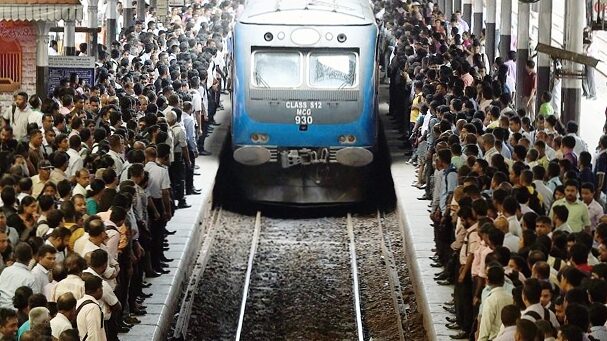
By mid-2026, SLR had only 14,908 employees against an approved cadre of 20,609, leaving a shortage of 5,701 workers. The shortage is particularly acute among engine drivers. Only around 400 remain active, with at least 40 vacancies forcing management to bring retired drivers back on temporary contracts simply to maintain services.
The financial equation is equally troubling. Government has allocated Rs.5.6 billion for railway maintenance in 2026, yet the department spends more than Rs.10.8 billion annually on salaries alone. Revenues therefore remain incapable of covering the structural cost of maintaining the network.
But financial losses cannot be attributed merely to subsidised passenger fares.
Audit findings and parliamentary investigations point to serious weaknesses in procurement and administration. Procurement officers allegedly permitted favoured bidders to correct or alter documents after tender boxes had been opened an action inconsistent with procurement rules and serious enough to trigger a Bribery Commission investigation.
The digital ticketing system has also become a glaring example of lost revenue. Tickets on popular tourist routes such as Colombo-Kandy-Ella have reportedly disappeared within seconds, while investigations have pointed to loopholes and alleged internal leaks benefiting black-market scalpers and tourism operators. Foreign travellers have reportedly been forced to pay markups reaching 20 times the official price.
At the same time, questions have been raised over irregular leasing of premium railway compartments to private operators without transparent competitive tendering. Under such arrangements, the state continues carrying locomotive and operational costs while private interests potentially capture lucrative premium passenger revenue.
Another audit finding revealed 22 open-ended free travel passes being issued to politically connected trade-union officials, despite rules allowing such privileges for only two full-time union council members. The resulting revenue loss was estimated at Rs.25.3 million in one cycle.
Perhaps most damaging is the collapse of institutional accountability. SLR failed to convene mandatory Audit and Management Committees for five consecutive years from 2021 to 2024 and delayed responses to Auditor General Inquiries and parliamentary reporting requirements.
The consequences are visible on the tracks. Approximately 70% of services are reportedly affected by delays or cancellations, while deteriorating infrastructure and speed restrictions further undermine reliability.
Nevertheless the railway does not necessarily have to remain a permanent drain on public finances.
A corporate public authority governed by an independent board could introduce performance-based management while protecting employee pensions and legitimate job security. Railway land around Colombo Fort and Maradana could be commercially developed through transit-oriented projects, while illegally occupied railway property could be mapped, recovered and leased.
Freight transport, premium services and partnerships with private operators could generate higher-margin income. Digital QR and NFC ticketing could reduce leakage, while redesigned driver rosters could improve deployment.
The central question is no longer whether Sri Lanka needs to spend more on railways. It is whether the country can afford to continue losing money through a system that repeatedly fails to account for how existing money and assets are used.