




Sri Lanka is preparing to pour another Rs.104.9 billion into the Central Expressway network, raising a fundamental question: is the massive access way programme a necessary investment to unlock the value of existing expressway infrastructure or another major fiscal commitment that could burden an economy still struggling to recover?
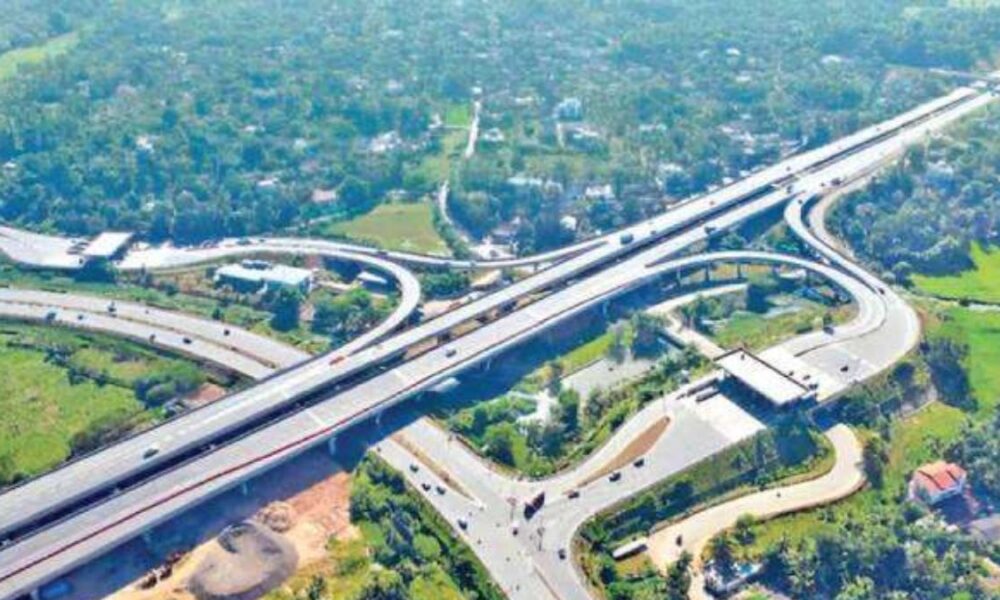
Cabinet approval granted on August 25, 2026 has cleared the way for the Central Expressway Accessway Project to proceed from 2026 to 2030. The programme covers 35 link roads extending 283.02 kilometres across the Western, Central and North Western provinces.
The scale is substantial. Section I, between Kadawatha and Meerigama, includes 12 link roads covering 117.68 kilometres. Section III, from Pothuhera to Galagedara, contains 14 roads covering 83.98 kilometres, while Section IV, between Kurunegala and Dambulla, includes another nine roads stretching 81.36 kilometres.
At approximately Rs.104.9 billion, or US$319.46 million, the project represents far more than routine road construction. It is effectively an attempt to ensure that billions already committed to the Central Expressway do not produce high-speed corridors surrounded by inadequate local infrastructure.
The government’s argument is straightforward: an expressway is only useful if motorists can actually reach it efficiently.
Without adequate feeder roads, congestion could simply migrate from expressway lanes to interchange areas. Vehicles could travel rapidly on the main highway only to become trapped immediately after exiting. Such bottlenecks would undermine the principal economic justification for constructing expensive expressway infrastructure in the first place.
Nevertheless the financing model deserves equally serious scrutiny.
Unlike earlier infrastructure programmes heavily dependent on foreign loans, the access way initiative is being pursued under a 100% state-funded, loan-free procurement model. While avoiding additional external debt is strategically attractive, it also means the entire financial burden falls on the Treasury.
That raises questions over opportunity cost. Every rupee directed towards these 283 kilometres of access roads is a rupee unavailable for other pressing requirements including maintenance of existing roads, public transport, health, education or debt management.
The procurement process is also entering a sensitive phase. Following Cabinet approval, the project must now move through detailed designs, budgeting and competitive bidding. The government’s recent acceleration of Central Expressway procurement including progress on Section IV and major Section III contracts awarded to domestic contractors suggests that implementation could gather momentum rapidly.
That makes transparency crucial.
With 35 separate link roads, procurement could become fragmented across numerous contracts, creating a substantial monitoring challenge. Costs, variations, contractor selection, land acquisition and construction timelines will need close public scrutiny if the programme is to avoid the cost overruns and delays that have plagued major infrastructure projects.
The economic case, however, remains compelling if implementation is disciplined. Better access could connect agricultural and commercial centres to high-speed transport, reduce journey times and expand the effective economic catchment of the expressway.
The real test therefore is not whether Sri Lanka needs access roads. It clearly does.
The question is whether Rs.104.9 billion can be converted into measurable economic productivity rather than simply more kilometres of asphalt.