




Sri Lanka is preparing for a crucial phase in its economic recovery as the Government seeks to mobilise fresh foreign financing to stabilise the rupee and shield the economy from mounting global shocks. While authorities expect nearly US$1 billion in multilateral inflows in the coming weeks, economists warn that the country’s external position remains vulnerable to oil price volatility, rising imports, and geopolitical instability linked to the Middle East conflict.
The Central Bank of Sri Lanka (CBSL) says inflows from the International Monetary Fund (IMF), World Bank, and Asian Development Bank (ADB) are expected to provide immediate support to foreign reserves and ease pressure on the exchange rate. Officials argue that the funds will strengthen the country’s ability to manage volatility without returning to rigid exchange controls or aggressive market interventions.
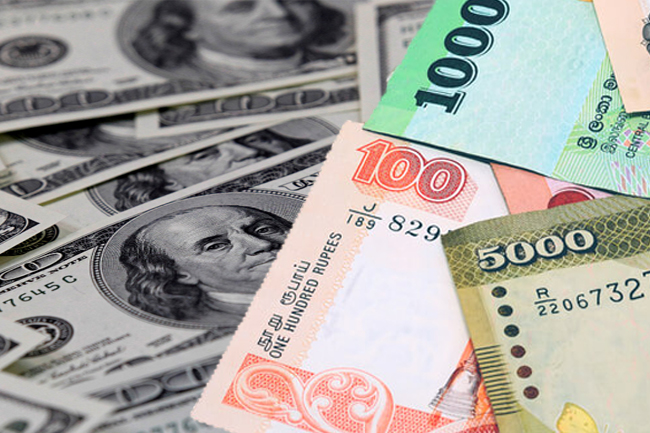
The rupee has depreciated sharply this year, sliding from around Rs. 309 per US dollar at the end of 2025 to beyond Rs. 330 in recent weeks. The weakening has been fuelled by surging fuel import costs, elevated shipping charges, and rising demand for foreign currency as businesses rush to secure dollars amid fears of prolonged global disruptions.
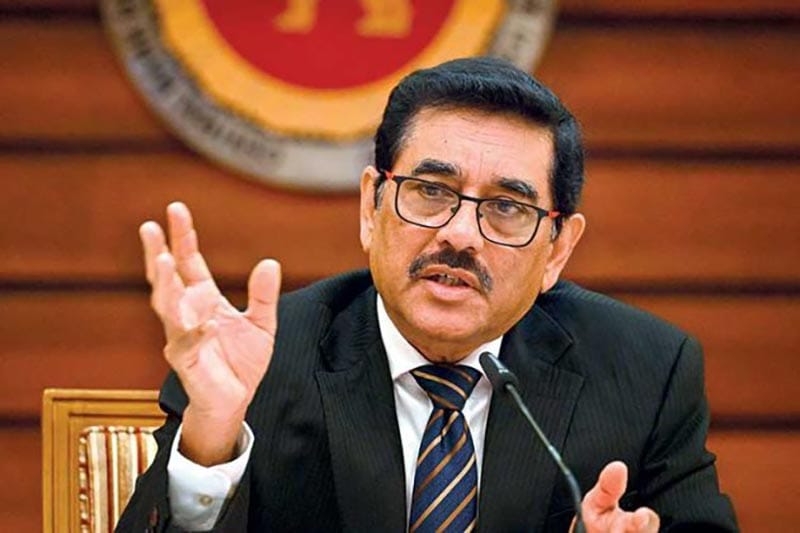
CBSL Governor Dr. Nandalal Weerasinghe insists the depreciation reflects external conditions rather than domestic instability alone. He noted that many emerging market currencies have also weakened against the strengthening US dollar, while Sri Lanka’s exchange rate adjustment remains comparatively moderate.
However beneath the official optimism, analysts point to growing structural strains within the economy. Sri Lanka’s monthly import bill has climbed close to US$2 billion, while exports have remained relatively stagnant between US$1 billion and US$1.2 billion a month. The petroleum import bill alone has surged dramatically this year due to global energy price shocks.
At the same time, stronger domestic credit growth has intensified import demand. Commercial bank lending expanded by over 25% this year, while finance company lending jumped nearly 49%, reflecting abundant liquidity in the banking system. Critics argue that reserve accumulation operations by the CBSL injected excess rupee liquidity into the market, indirectly accelerating imports and currency pressures.
Former CBSL Governor Dr. W.A. Wijewardena cautioned that prolonged external shocks could eventually force tighter monetary policy. If oil prices remain elevated and global uncertainty persists, authorities may have little choice but to curb aggregate demand to prevent inflation from breaching official targets.
Inflation has already accelerated sharply, rising to 5.4% last month from near 2% earlier in the year, driven largely by fuel, transport, and electricity costs. Economists warn that further depreciation could trigger additional increases in utility tariffs and household living expenses in the months ahead.
Despite these concerns, Sri Lanka continues to record resilient foreign inflows from tourism and worker remittances. Remittances during the first four months of 2026 exceeded US$3 billion, marking the strongest January-April performance on record. Tourism earnings also remained relatively stable despite global uncertainty.
Looking ahead, Sri Lanka’s recovery may increasingly depend on its ability to attract diversified external financing beyond emergency multilateral support. Analysts say future stability will require stronger export growth, deeper structural reforms, improved investor confidence, and a more flexible foreign exchange market capable of absorbing global shocks without triggering another balance-of-payments crisis.
By a Special Correspondent