




Special Legal Investigation & Expose — HariDeshayaLk
The unilateral and sudden imposition of seven “Special Trustees” over the historic Bukhari Mosque and Bari Madrasa in Galbokka, Weligama, by the Wakf Board of Sri Lanka and the Department of Muslim Religious and Cultural Affairs has escalated into a grave constitutional crisis. This administrative maneuver directly challenges settled jurisprudence, natural justice, and the authority of superior courts.
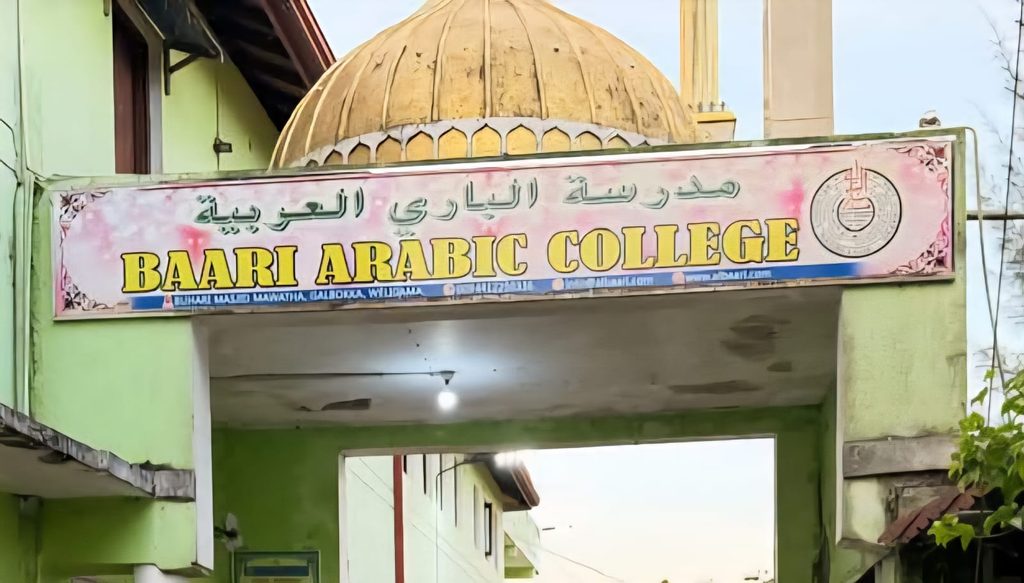
Executing an overnight takeover while a formal application for Special Leave to Appeal is actively pending before the Supreme Court of Sri Lanka represents a deliberate calculated measure to alter facts on the ground, mislead the judicial process, and subvert the administration of justice.
Direct Contempt of Court: Circumventing the Apex Court
The most alarming legal dimension of this controversy is the blatant disregard for ongoing proceedings before the highest judicial authority of Sri Lanka.
Following the judgment of the Court of Appeal in CA/WKF/02/2024, an aggrieved party petitioned the Supreme Court of Sri Lanka seeking Special Leave to Appeal. Under established administrative law principles and constitutional conventions:
- A statutory authority acting in a quasi-judicial capacity is bound to observe judicial propriety, exercise utmost restraint, and maintain the status quo while an apex court reviews a dispute.
- Preemptively intervening to establish a handpicked administrative structure during pending proceedings directly prejudices the judicial process.
- This act undermines the Court of Appeal’s orders, attempts to render Supreme Court proceedings futile, and constitutes a clear, actionable instance of Contempt of Court.
Trampling Decades of Settled Wakf Jurisprudence and Res Judicata
The trusteeship of the Bukhari Mosque and Bari Madrasa is not an unsettled administrative issue. It has been adjudicated across multiple tribunals and courts over three decades, establishing the spiritual authority of the Aroosiyyathul Quadiriyya Thareeqah:
- WB/2873/97 and WT/125/2000: The Wakf Board recognized the exclusive customary authority of the spiritual leader to nominate trustees, a decision upheld when challenges were formally dismissed.
- WT/180/2009: Reaffirmed the bedrock legal principle of res judicata, confirming that matters settled by competent tribunals cannot be perpetually litigated.
- WB/9500/2023: The Wakf Board declared itself functus officio, admitting in writing that it had exhausted its jurisdiction and possessed no power to alter the customary mode of appointment.
- WT/301/2024: The Wakf Tribunal definitively stated:”The litigation between the contesting parties on this issue in these two cases has been concluded in this matter finally and forever.”
Bypassing these binding legal determinations to appoint seven “Special Trustees” without statutory authority represents an ultra vires and illegal action by the Wakf Board.
The Bribery Confession: Shocking Revelations Behind the Scenes
The credibility of this entire administrative intervention is dismantled by evidence of corruption. In a voice recording released by social media activist Mohamed Ismath, a named litigant in the mosque dispute openly admitted to bribery.
The individual speaking in the recording is identified as Mohamed Kowzer Hajjiar Ahmad (residing at No. 108, Galbokka Road, Weligama), the 6th petitioner in Court of Appeal Case No. CA/WKF/02/2024. In the recording, he admits to spending approximately 15 million LKR (1.5 Crore) to obtain internal documents (“Volume 1”) and influence the case:
“Lanjam kudukka vendiya edathula lanjam kuduthom” (“We gave bribes where bribes had to be given.”)
This confession raises urgent legal questions:
- To which officials within the Wakf Board or the Department of Muslim Religious Affairs were these bribes directed?
- Did financial inducements facilitate the sudden reversal of statutory positions and the issuance of these appointments?
This admission of criminal conduct requires immediate prosecution under the Bribery Act by the Commission to Investigate Allegations of Bribery or Corruption (CIABOC).
The Overnight Collusion: From Bureaucratic Inertia to Lightning Execution
The Wakf Board and the Department of Muslim Religious and Cultural Affairs are notorious for administrative lethargy, routinely taking years to issue routine determinations. In Weligama, however, procedures were discarded overnight:
1. Denial of Natural Justice: The three-year term of the legally recognized board expired on September 20, 2026. Without issuing formal statutory notice (Notice) or conducting an inquiry (Audi Alteram Partem), the Wakf Board held a clandestine session.
2. Midnight Authorization: Wakf Board Chairman Marshad Barry and Department Director Mohamed Nawas drafted appointment letters outside regular working hours, signing them the same night.
3. Immediate Dispatch: The instruments were delivered to Weligama the following morning.
Reports confirm this administrative maneuver was orchestrated under the direct influence of Matara District MP and Deputy Minister Arkam Ilyas, funneled through former Wakf Board member Hammad Rifak. Converting a statutory regulatory board into an instrument for political patronage violates public trust and administrative law.
Legal Accountability Demanded
The Wakf Board and the Department must answer to the courts and the public:
1. Under which statutory clause of the Wakf Act No. 51 of 1956 does the Board claim jurisdiction to appoint temporary “Special Trustees” against binding tribunal rulings?
2. Why did Chairman Marshad Barry and Director Mohamed Nawas disregard active Supreme Court proceedings to enforce administrative changes?
3. What steps have been taken regarding the recorded confession of bribery involving internal files and department officials?
The administration of the Bukhari Mosque and Bari Madrasa must rest on judicial integrity, historical custom, and the rule of law—not on executive interference and corrupt transactions. The arbitrary actions taken by the Wakf Board constitute a direct act of Contempt of Court, requiring immediate intervention by the Supreme Court of Sri Lanka and statutory anti-corruption authorities.