




Sri Lanka’s recent intervention in the supply and distribution of Filgrastim, a critical cancer-support medication, has exposed the difficult balance between maintaining uninterrupted treatment and enforcing pharmaceutical safety standards. While emergency measures have helped restore supplies to hospitals, the rejection of a major state consignment raises questions about procurement controls, regulatory compliance and the risks patients face when essential medicines enter the country through weakly supervised channels.
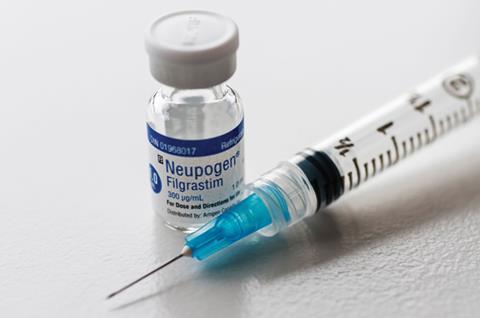
Filgrastim, a Granulocyte Colony-Stimulating Factor injection, stimulates white blood cell production in patients undergoing chemotherapy. For vulnerable cancer patients, interruptions can have serious clinical consequences. Its procurement and distribution are therefore managed through state institutions and authorised private-sector entities under the oversight of the National Medicines Regulatory Authority (NMRA).
The most significant recent disruption followed the rejection of a state-imported consignment of 160,000 vials from China. The shipment was withheld from public distribution after arriving without printed labels, including essential traceability information such as batch numbers, dosage details and expiry dates. The failure was not merely a packaging irregularity. Without such information, hospitals and regulators cannot reliably verify the medicine’s identity, origin, shelf life or accountability throughout the supply chain.
The episode also highlights the importance of preventing regulatory shortcuts in the pharmaceutical sector. Authorities have reportedly taken action against local agents attempting to bypass requirements through forged waivers. Such allegations, if established, point to a broader governance concern: the danger of commercial or administrative pressure overriding safeguards designed to protect patients.
To prevent shortages from worsening, the Government has resorted to emergency airlifts and local buy-backs of approved alternative batches. These measures have helped replenish stocks, but they also raise questions about why emergency procurement became necessary and whether earlier verification mechanisms could have prevented the disruption. Emergency purchases may restore supply quickly, yet they can also increase costs and place additional pressure on public healthcare finances.
Distribution priorities have centred on major oncology hospitals, particularly Apeksha Hospital in Maharagama, the country’s principal cancer treatment institution. The hospital reportedly requires approximately 325 vials daily, illustrating the scale of demand and the consequences of even a shortfall. Replenishment stocks have also been dispatched to cancer units in Kandy, Karapitiya, Jaffna and Kurunegala through expedited emergency funding.
However, fluctuating public-sector availability means patients and caregivers cannot assume that stocks will remain constant. Authorities have advised them to contact their hospital clinic counters on the morning of scheduled appointments to confirm availability.
The private market provides another supply channel through registered pharmacies and specialised oncology distributors. Authorised importers, including Slim Pharmaceuticals, distribute approved brands such as Neutromax. Prices reportedly range from Rs.17,000–23,000 for standard biosimilars to Rs.20,000–30,000 for the originator brand Neupogen per injection. This creates a significant financial burden for families already facing cancer-related expenses.
The regulatory warning is clear: buyers must inspect printed packaging labels and avoid unverified stock. Filgrastim must also be maintained under a 2°C–8°C cold chain, requiring insulated ice bags or cooling boxes during transport.
Sri Lanka’s immediate supply response may have prevented a deeper crisis. But the larger lesson is that emergency intervention cannot substitute for transparent procurement, reliable traceability and rigorous oversight. For cancer patients, the real measure of reform is not simply whether medicine reaches hospitals, but whether it arrives safely, consistently and affordably.