




Sri Lanka’s already hard-pressed consumers could soon find themselves moving from the frying pan into the fire as the latest fuel price increases threaten to push electricity tariffs higher in the final quarter of 2026.
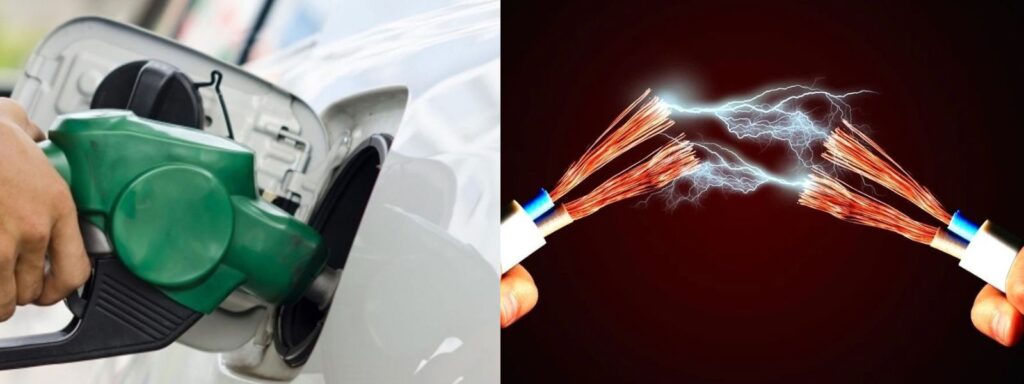
The immediate trigger is the Ceylon Petroleum Corporation’s (CPC) decision to increase the prices of heavy fuel oil (HFO) and naphtha by roughly 20 percent, while ending the subsidised fixed-price arrangement under which the power sector had been protected from rising fuel costs.
The CPC has raised HFO from Rs. 210 to Rs. 248 per litre and naphtha from Rs. 174 to Rs. 210. CPC Managing Director Mayura Neththikumarage said the corporation had been absorbing losses since April to maintain stable electricity prices.
That arrangement, however, expired on July 18.
The timing is particularly significant because the National System Operator (NSO), one of the successor companies to the Ceylon Electricity Board, is preparing its fourth-quarter electricity tariff revision. The submission is due to reach the Public Utilities Commission of Sri Lanka (PUCSL) on September 4, with the October-December tariff subsequently subject to regulatory approval.
NSO Chairman Pradeep Perera has acknowledged that the fuel increases will affect the tariff calculation.
The critical question is who ultimately pays for the gap between the actual cost of electricity generation and what consumers can afford.
Naphtha powers Electricity Generation Lanka’s 165MW Kelanitissa combined-cycle plant. HFO is used by several major thermal facilities, including the 60MW barge-mounted plant, the 160MW Sapugaskanda plant and the 300MW oil-fired Yugadanavi combined-cycle facility operated by LTL Holdings.
Consequently, the CPC decision is not a marginal adjustment affecting an isolated generating unit. It potentially raises the operating cost of a substantial portion of Sri Lanka’s thermal electricity-generation system.
For consumers, the danger is that higher generation costs could arrive at a time when household budgets are already under severe pressure from elevated food, transport, housing and other essential expenses.
The Government’s earlier three-month fuel subsidy was designed precisely to prevent such cost pressures from being transmitted rapidly to consumers. But that intervention has now expired.
The Government is reportedly considering restoring subsidies on petrol and diesel amid higher international oil prices following renewed conflict in the Gulf region. However the absence of any clear commitment covering naphtha and HFO exposes a major vulnerability in the electricity pricing chain.
This creates an uncomfortable contradiction. While policymakers seek to shield consumers from another cost-of-living shock, the withdrawal of the power-sector fuel subsidy could quietly reopen another channel through which international energy prices reach household bills.
The PUCSL will ultimately decide whether and how the additional costs are recovered through electricity tariffs.
But the warning is already clear: when fuel costs rise, consumers remain the final line of payment.