




Sri Lanka’s infrastructure procurement system is entering a critical new phase, with institutions under the Transport, Highways, Ports and Civil Aviation Ministry awarding 73 contracts worth nearly Rs150 billion during the first six months of 2026.
The scale of the spending is striking. The ministry awarded just 61 contracts during the whole of 2025, while its annual procurement value averaged Rs34 billion between 2022 and 2024 and Rs52.6 billion in 2025. The first-half 2026 figure is therefore about 2.8 times last year’s total and roughly 4.4 times the 2022–24 annual average.
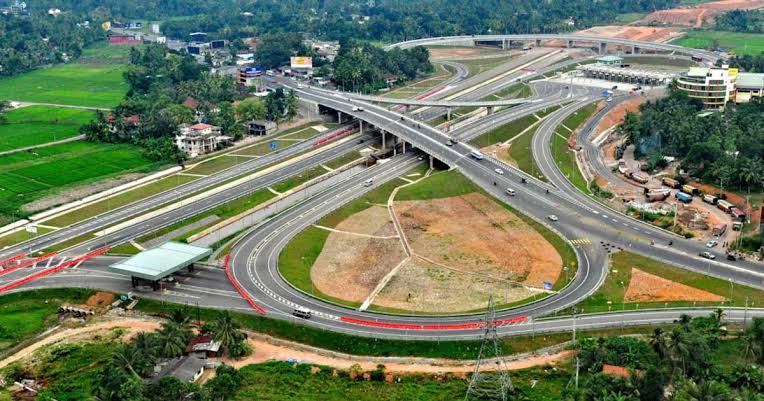
Most of the awards 70 fall under the highway section and Road Development Authority, placing roads at the centre of the government’s infrastructure spending push.
The figures assume added significance because Sri Lanka is reporting them under commitments made to the International Monetary Fund’s Governance Action Plan, following concerns over weak competition in public procurement. The Finance Ministry’s monitoring exercise covers 10 institutions identified as having the lowest levels of competitive tendering in 2022.
On the surface, the latest figures suggest substantial improvement: all 73 contracts awarded during January–June 2026 were reportedly competitive, meaning none were single-bid awards. Tender cancellations and failures have also fallen sharply across several sectors.
The turnaround at the Ceylon Petroleum Corporation is particularly notable. Between 2022 and 2024, only 38% of procurements above Rs200 million were successfully awarded, while 42% were cancelled and 19.5% failed. By 2025, the award rate had climbed to 90.67%, with failures falling to zero.
The water sector presents an even more dramatic shift. Between 2022 and 2024, 76.6% of 168 procurements were cancelled, while only 23.21% were awarded. By 2025, cancellations had fallen to 5.56%, and during the first half of 2026 all 21 procurements were successfully awarded.
But these improvements do not, by themselves, settle the larger governance question.The publicly disclosed data does not provide a detailed breakdown of the 73 infrastructure contracts, their winning companies, contract prices, tender margins, evaluation scores or the extent of competition for each award. Without such information, taxpayers can see the value and number of contracts, but not necessarily how effectively the state secured value for money.

That gap matters in a country where procurement weaknesses have become part of the broader governance debate surrounding the IMF programme.
The government can point to higher award rates and more competitive tenders as evidence of reform. Yet a massive acceleration in infrastructure spending also demands stronger scrutiny, not less.
The real test of procurement reform is therefore not simply whether contracts are awarded competitively. It is whether the process is transparent, genuinely contestable, free from conflicts of interest, and capable of delivering infrastructure at the best possible price.
Sri Lanka’s latest procurement figures show progress but they also create a much bigger question: who is independently checking whether this unprecedented spending surge is producing value for the public?