




By Captain CoCo
There is an old saying among sailors: when the sea is calm, anyone can steer a ship. The true test of a captain comes when the waves rise, the winds change direction, and the crew begins to lose faith.
Sri Lanka has travelled through some of the roughest waters in its modern history. Economic hardship, rising living costs, uncertainty, and social anxiety have left deep marks on ordinary citizens. Families that once dreamed of building a future now spend most of their energy simply trying to survive the present.
Every election brings hope. Candidates stand on platforms, raise their hands, make promises, and assure citizens that better days are just around the corner. People listen because hope is often the only currency left when wallets are empty.
But what happens when promises meet reality? This is the uncomfortable question many Sri Lankans are quietly asking today.
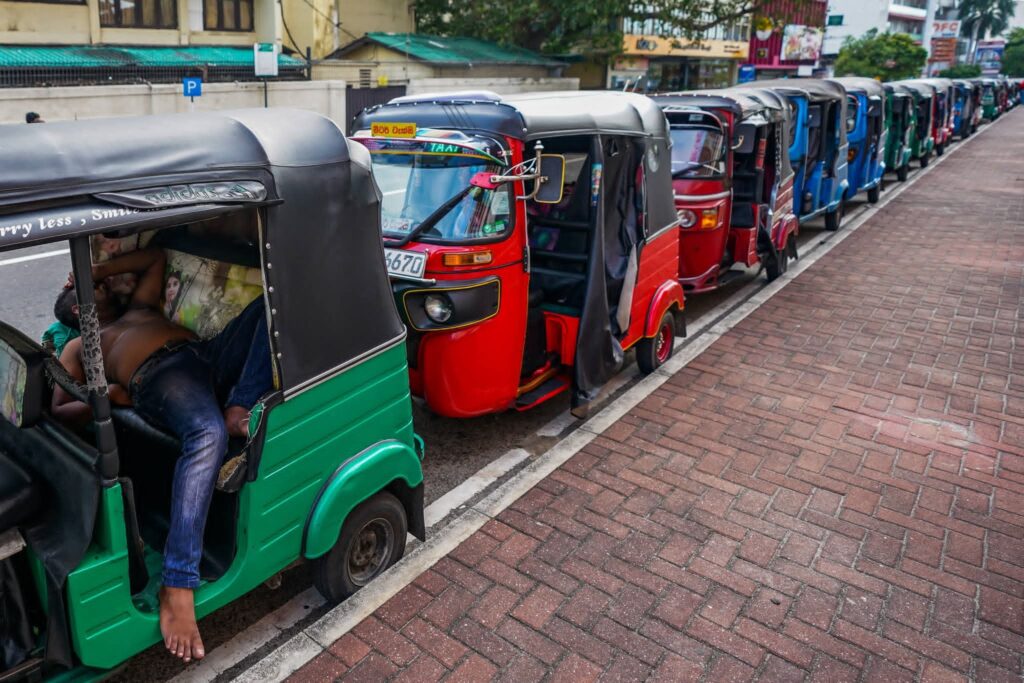
Across the country, conversations in buses, markets, tea shops, offices, and homes reveal a growing frustration. People are not necessarily looking for miracles. They understand that national problems cannot be solved overnight. What they expect, however, is visible direction, meaningful progress, and a sense that leadership understands their daily struggles.
Instead, many feel trapped between statistics and reality.
Economic reports may speak of stabilization. International institutions may praise reforms. Technical indicators may suggest improvement. Yet the average citizen measures success differently. Success is measured by the price of rice, vegetables, medicine, school supplies, transport, and electricity. It is measured by whether a family can save money at the end of the month. For many households, that reality remains painful.
The gap between official narratives and lived experiences is becoming increasingly difficult to ignore.
History teaches us that leadership is not judged by speeches but by outcomes. Citizens remember how leaders made them feel. Did they feel hopeful? Protected? Respected? Heard? Or did they feel forgotten?
Perhaps the most powerful political promises are not those related to economic policy. They are promises about accountability.
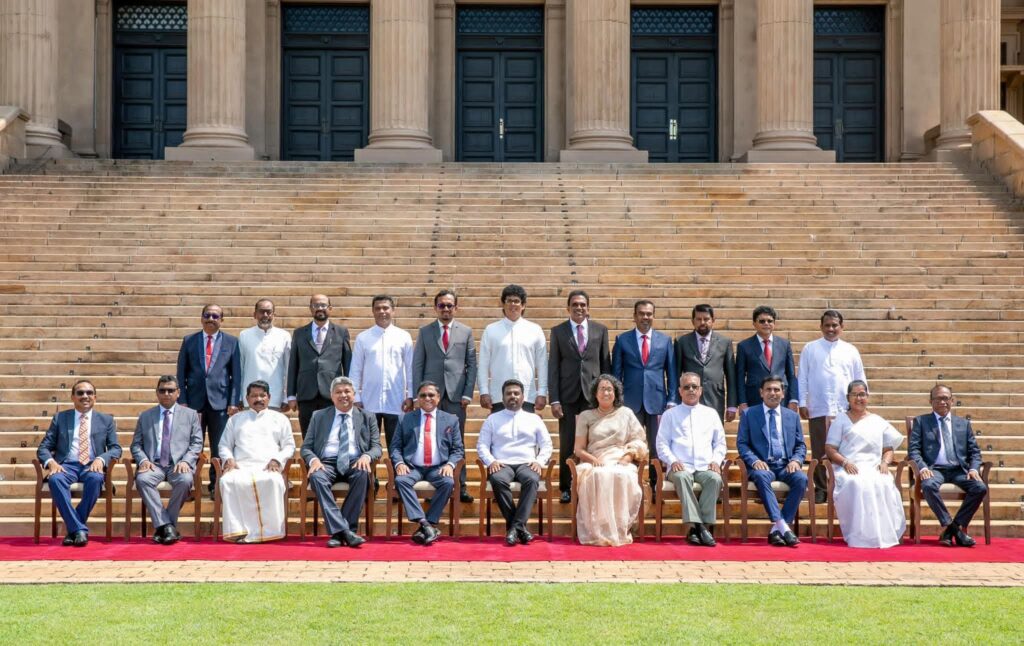
Before elections, politicians often present themselves as servants of the people. They promise transparency. They promise humility. Some even make bold declarations that they would step aside if they fail to deliver. Such statements create expectations. They become a moral contract between leader and voter. When those expectations remain unmet, public disappointment naturally follows.
The issue is not merely about one administration or one individual. It is about a broader culture of politics where promises are abundant before elections and explanations become abundant after them.
Citizens are growing tired of this cycle.
The real danger is not anger.
The real danger is resignation.
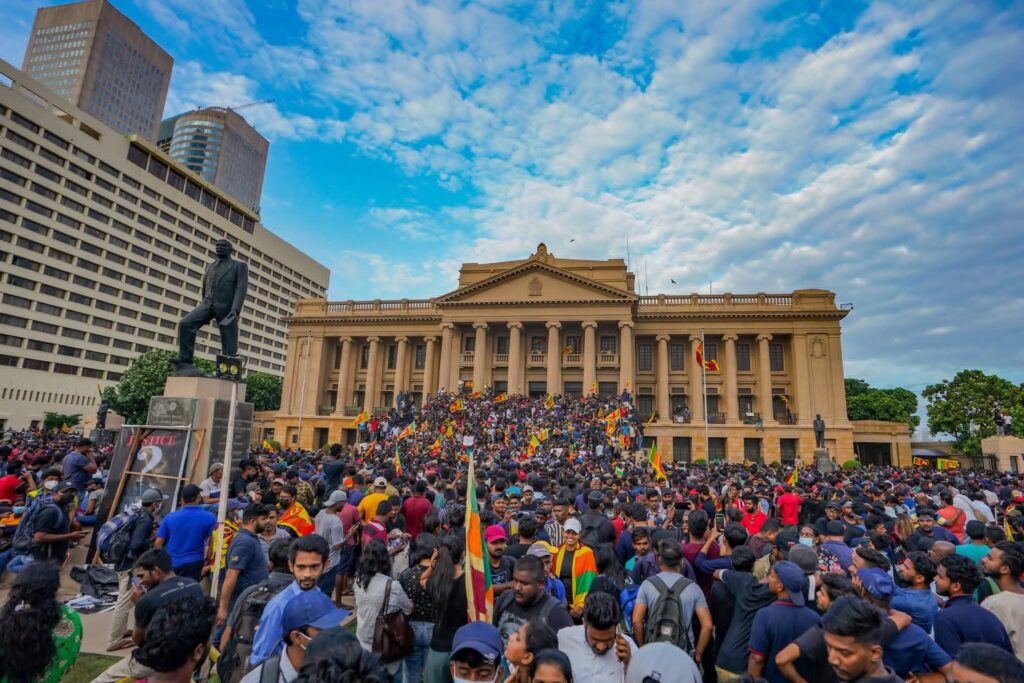
A frustrated population can still demand change. A disappointed population can still organize. But a population that becomes hopeless begins to withdraw from civic life altogether. People stop believing that participation matters. They stop believing that their voices can influence outcomes.
That is when democracies become vulnerable.
The most valuable asset any government possesses is not power. It is public trust.
Power can command obedience.
Trust inspires cooperation. And trust, once broken, is remarkably difficult to rebuild.
Today, Sri Lanka stands at an important crossroads. The question is no longer whether reforms are necessary. The question is whether those reforms are improving the lives of ordinary citizens at a pace that people can actually feel.
Leadership requires more than authority. It requires self-reflection.
Strong leaders do not fear criticism. They listen to it. Strong leaders do not surround themselves with applause. They seek uncomfortable truths. Strong leaders do not measure success by the duration of their tenure but by the quality of their service.
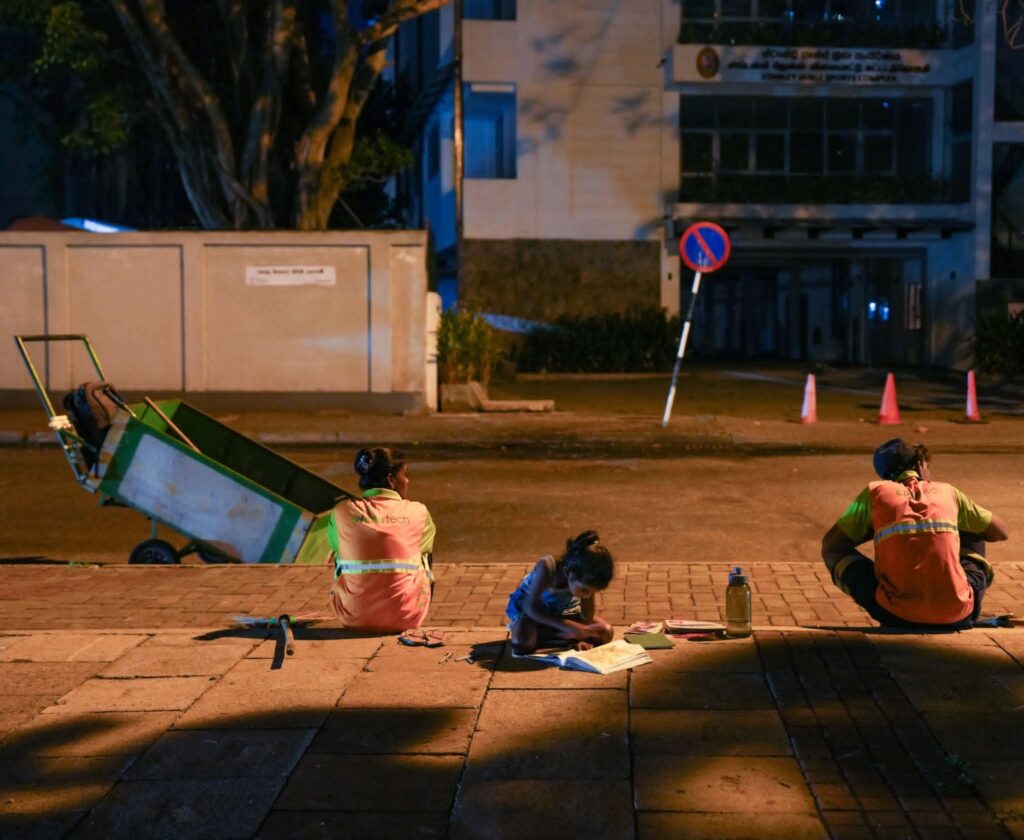
The public’s message is becoming clearer.
People want affordable living.
People want efficient public services.
People want dignity.
People want opportunities for their children.
People want a government that understands that economic recovery is meaningful only when it reaches the kitchen table.
Most importantly, people want leaders who remember the promises that brought them to office in the first place.
Perhaps this is the moment for a national pause-not to assign blame, but to ask honest questions.
Are current policies delivering the intended results?
Are citizens experiencing tangible improvements?
Is leadership responding to public concerns with sufficient urgency?
And if the answers are uncomfortable, what changes are necessary?
The strength of a democracy lies not in protecting leaders from criticism but in ensuring that leaders remain accountable to those they serve. A captain who notices the ship drifting off course has two choices. He can insist that everything is fine while the crew grows anxious. Or he can acknowledge the challenge, adjust the compass, and change direction before it is too late. The sea has a way of revealing the truth.
Eventually, every voyage is judged not by the promises made at the harbour, but by whether the ship safely reaches its destination. Mr. President, Sri Lanka’s passengers are still waiting and still watching-but the clock on public patience is ticking louder than ever.