




The formal launch of Prime Melwa Port City’s marina-front residential development has reignited attention on the enormous economic promise of Port City Colombo, a project long promoted as Sri Lanka’s gateway to international investment and modern urban transformation. Positioned along the Indian Ocean and overlooking the planned marina district, the project signals renewed investor confidence in a development envisioned as South Asia’s future financial and lifestyle hub.
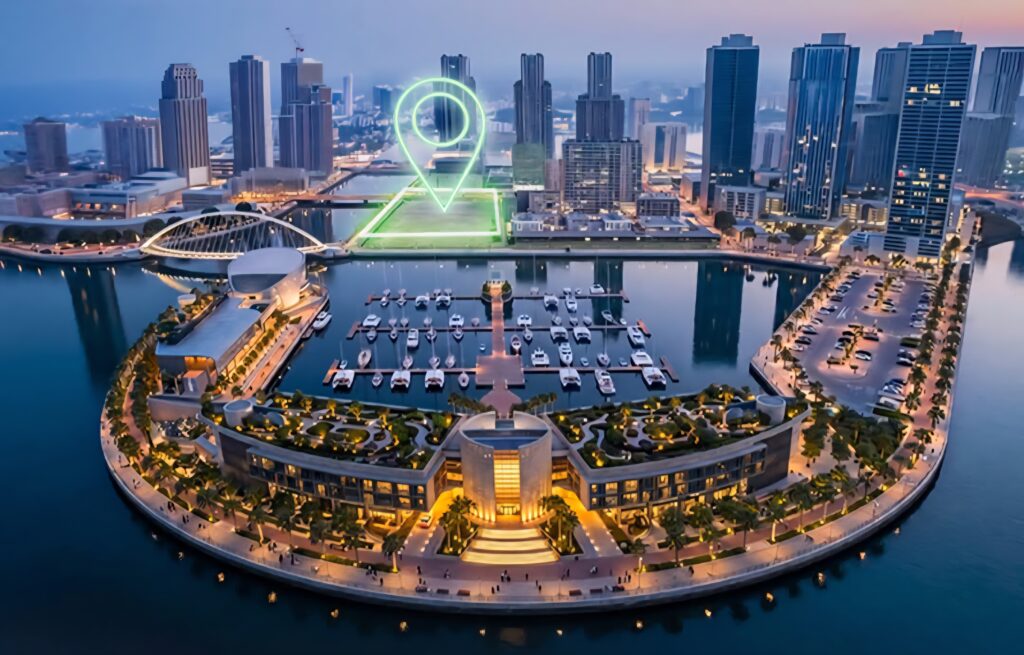
The marina-focused residential venture represents more than another luxury real estate initiative. Analysts view it as a strategic component in Sri Lanka’s broader ambition to attract foreign direct investment, stimulate tourism, and create a globally competitive business environment. The development combines high-end waterfront living with commercial opportunities capable of generating substantial economic spillover benefits for the country.
Located within the Marina Zone of Port City Colombo, the project occupies one of the most commercially attractive areas of the reclaimed city. Experts believe marina developments create significant value because they combine tourism, hospitality, retail, and luxury real estate into a single economic ecosystem. Similar marina-centred cities in Dubai, Singapore, and Hong Kong have demonstrated how waterfront infrastructure can attract affluent investors, multinational corporations, and international tourism revenue.
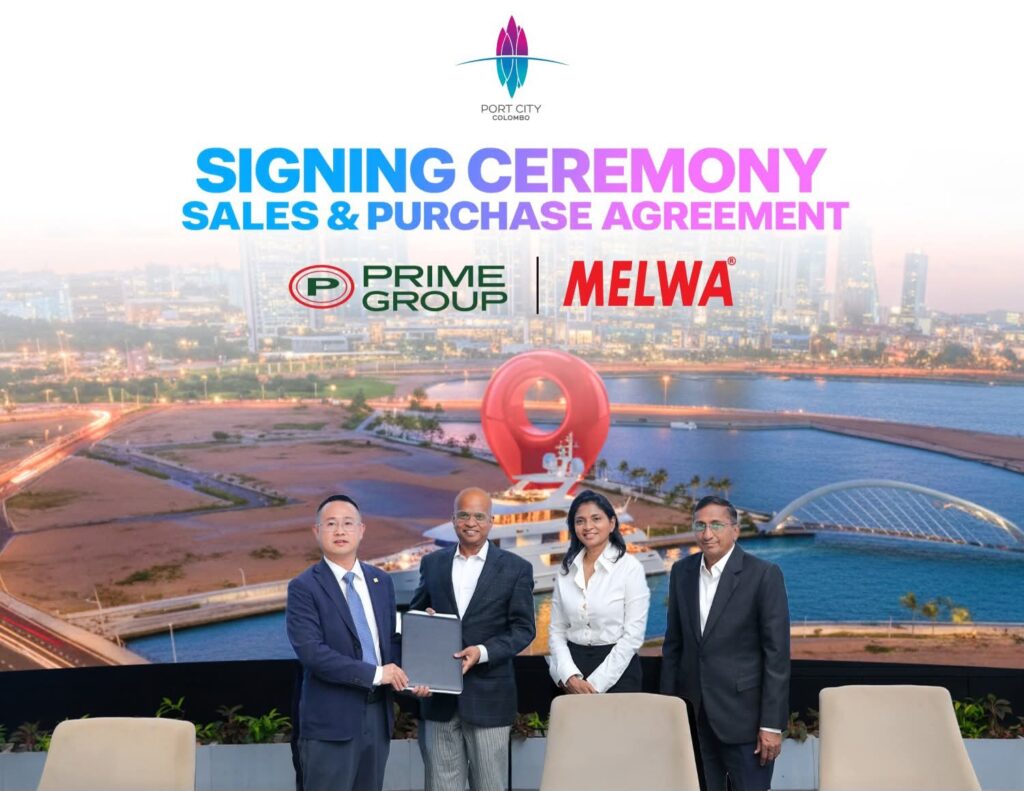
The involvement of Prime Group and Melwa also reflects growing confidence among local corporate giants in Sri Lanka’s long-term real estate potential. With over three decades in the property sector, Prime Group’s decision to invest heavily in Port City Colombo suggests that domestic developers expect future appreciation in land values and rising international demand for premium urban residences.
Economists argue that projects of this nature can contribute significantly to employment generation. Construction activities alone are expected to create thousands of direct and indirect jobs across engineering, logistics, design, and material supply industries. Once operational, the marina district could support hospitality services, retail operations, tourism ventures, and financial services tied to foreign investors and expatriate residents.
Another major advantage lies in foreign currency inflows. Sri Lanka’s persistent balance-of-payments pressures have highlighted the importance of attracting dollar-based investments. Luxury residential developments marketed to international buyers can strengthen foreign exchange reserves while diversifying revenue streams beyond traditional exports and remittances.
Urban planners also note that Port City Colombo could redefine Sri Lanka’s global image. For decades, the country’s economic narrative centred on apparel, tea, and tourism. A successful marina city backed by international-standard architecture and infrastructure may help reposition Colombo as a sophisticated financial and lifestyle destination competing with regional urban centres.
However, experts caution that long-term success depends on policy consistency and investor protection. Investors seek transparent regulations, efficient approvals, and confidence in governance structures. Without these conditions, even world-class developments may struggle to realise their full economic potential.
Despite challenges, the commencement of this marina-front project indicates that global investor appetite for strategically located waterfront developments remains strong. If managed effectively, Port City Colombo’s marina district could become a catalyst for wider economic revival, creating new employment, attracting international capital, and accelerating Sri Lanka’s transition toward a modern service-driven economy.
By a Special Correspondent