




India and Sri Lanka have signalled a decisive shift toward deeper economic integration, with business leaders and policymakers from both countries pledging stronger partnerships across trade, investment, infrastructure, tourism, technology and renewable energy sectors during a high-level business forum held in Mumbai.
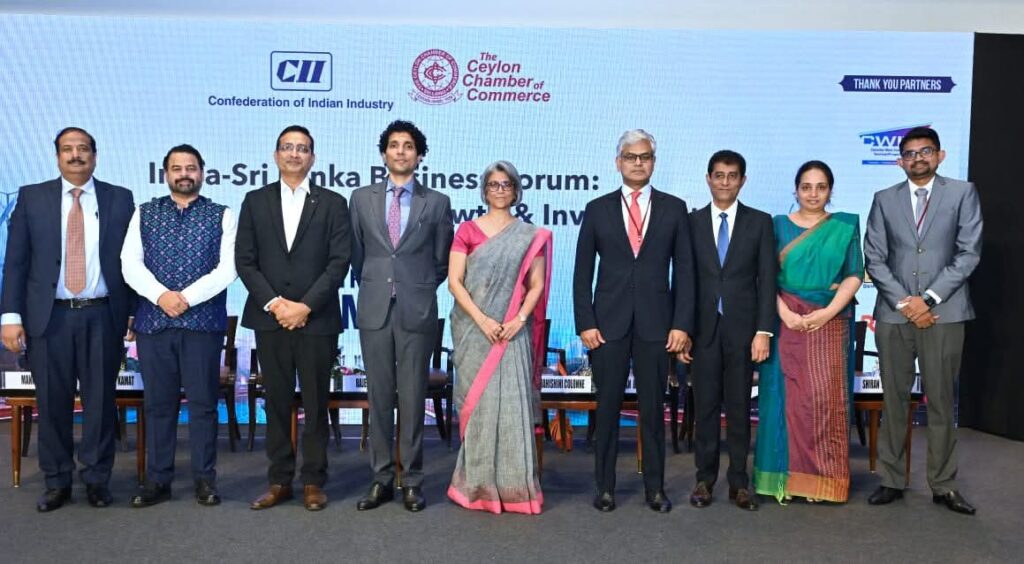
The India–Sri Lanka Business Forum: Partnering in Sri Lanka’s Growth and Investment, jointly organised by the Ceylon Chamber of Commerce and the Confederation of Indian Industry (CII), brought together senior officials, diplomats and corporate executives on 13 May to examine emerging opportunities in bilateral cooperation as Sri Lanka seeks to accelerate post-crisis economic growth.
The discussions reflected growing confidence in Sri Lanka’s recovery trajectory and highlighted India’s expanding role as a strategic economic partner in the island nation’s transition from stabilisation to sustainable growth.
Opening the forum, CII Western Region Sub-committee on International Trade and Investment Co-Chairman and Polycab India Ltd. CEO Anurag Agarwal stressed that bilateral economic ties are entering a transformative phase driven by investments, connectivity and innovation.
He noted that sectors such as renewable energy, logistics, ICT, tourism, digital services, healthcare, manufacturing, education and infrastructure offer considerable potential for expanded cooperation between the two neighbours. Agarwal also pointed to improvements in maritime connectivity, ferry services, aviation links and digital payment systems as key developments enhancing regional trade and business operations.
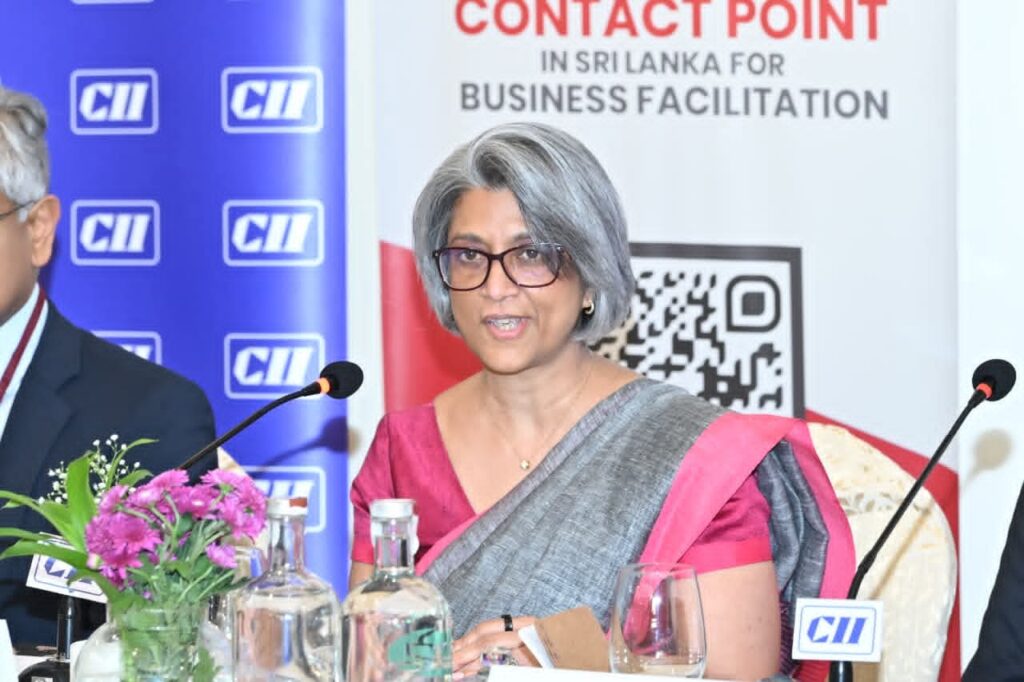
Sri Lanka’s High Commissioner to India Mahishini Colonne stated that future collaboration between the two countries would move beyond increasing trade volumes and focus more heavily on long-term partnerships, technology exchanges, regional supply chains and private sector connectivity.
According to Colonne, sectors including renewable energy, infrastructure, logistics, financial services, digital innovation and tourism are expected to shape the next phase of economic engagement between India and Sri Lanka.
Senior Economic Adviser to the Sri Lankan President Duminda Hulangamuwa said the country has moved from economic stabilisation toward a growth-oriented phase and invited greater Indian investment into high-potential industries.
He identified transport, logistics, tourism, digital services and high-value manufacturing as priority sectors where Sri Lanka is seeking strategic foreign investment partnerships.
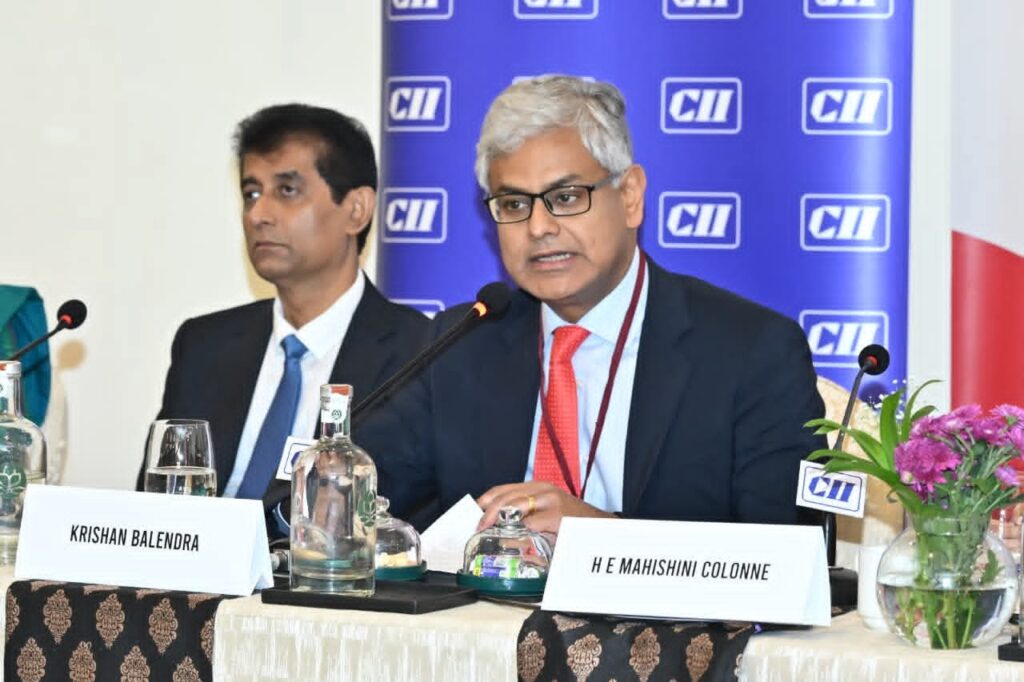
The Ceylon Chamber of Commerce Chairperson and John Keells Holdings PLC Chairperson Krishan Balendra emphasised the chamber’s role in facilitating long-term business partnerships and investment flows that could contribute to Sri Lanka’s broader economic transformation agenda.
Balendra described India as more than a neighbouring country, calling it a critical strategic partner in Sri Lanka’s future economic development plans.
The forum also highlighted the increasing importance of tourism, skills development, sustainability initiatives and technology-driven partnerships in strengthening bilateral cooperation.
Representatives from industries including infrastructure, hospitality, pharmaceuticals, renewable energy, ICT, logistics and financial services participated in networking sessions and business-to-business engagements aimed at identifying investment and trade opportunities.
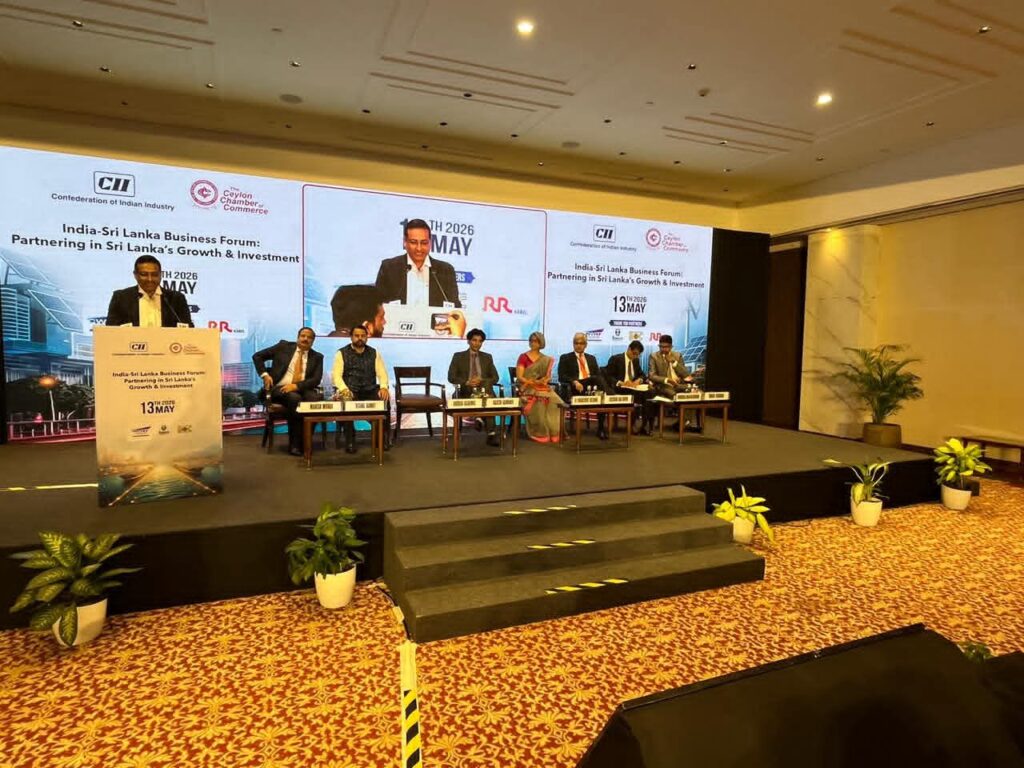
Concluding the event, CII Western Region Sub-Committee on Tourism and Hospitality Chairman and Kamat Hotels India Ltd. Executive Director Vishal Kamat said India-Sri Lanka relations are entering a new phase shaped by resilience, trust and stronger regional aspirations.
Kamat reaffirmed CII’s commitment to promoting sustained business engagement through policy advocacy, CEO interactions, investment facilitation initiatives and commercial delegations.
The forum concluded with both sides expressing optimism about future bilateral economic relations and committing to strengthen private sector collaboration, regional connectivity and long-term strategic partnerships aimed at promoting inclusive and sustainable regional growth.
By a Special Correspondent