




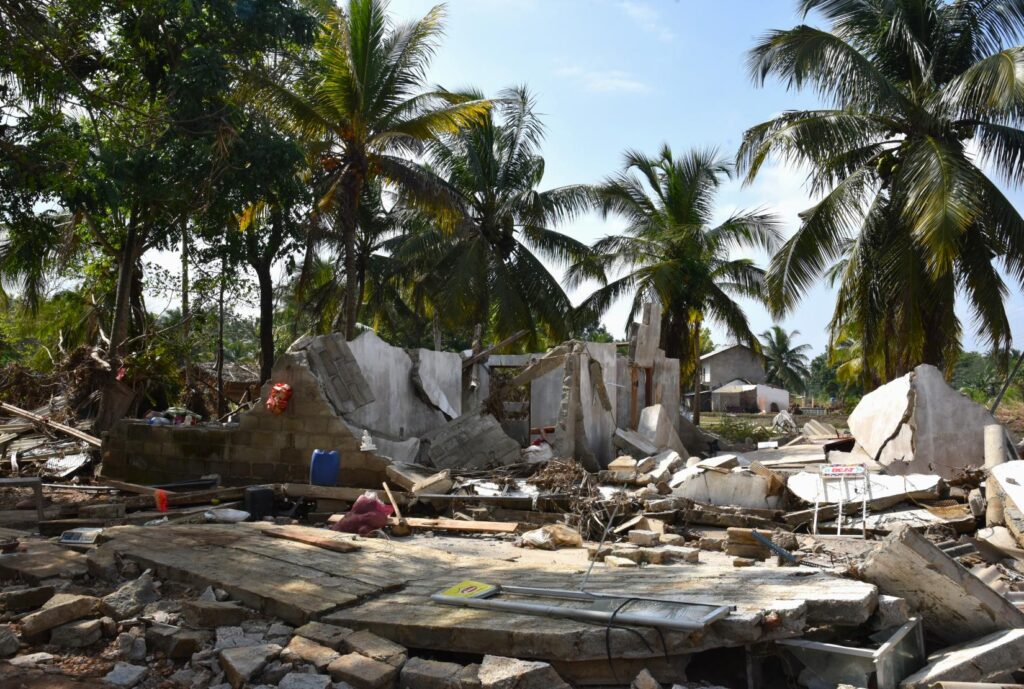
Months after Cyclone Ditwah tore through vulnerable communities across Sri Lanka, thousands of displaced families remain trapped in temporary shelters, waiting for compensation, housing assistance, and basic relief that many say has arrived far too slowly. While the Government this week unveiled a new digital Compensation Management System aimed at improving disaster response, survivors and local officials argue the move comes only after months of bureaucratic paralysis, administrative confusion, and mounting public frustration.
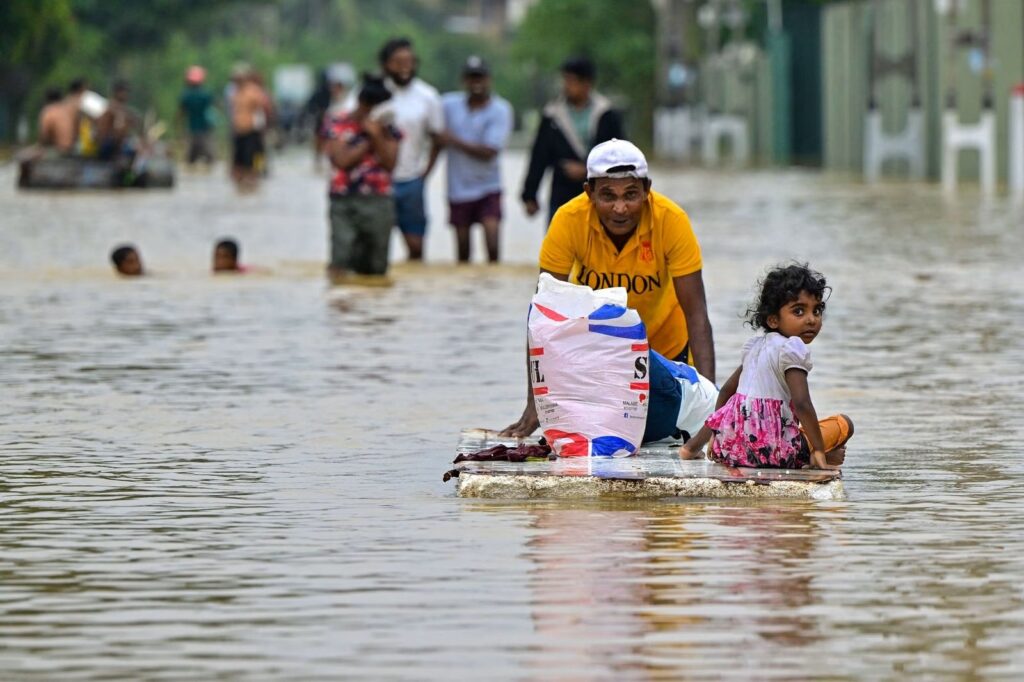
The National Disaster Relief Services Centre (NDRSC), operating under the Defence Ministry, launched the digital platform alongside a Community Inquiry Mechanism at the BMICH yesterday. Officials described the initiative as a “major step forward” in ensuring transparency and efficiency in relief distribution for victims of Cyclone Ditwah. However for many families still living under tarpaulin roofs and damaged homes, the announcement reflects a system that is only now beginning to respond to an emergency that devastated lives long ago.
Entire fishing villages and low-income settlements suffered extensive destruction during the cyclone, with many residents losing homes, livelihoods, and loved ones. Survivors have repeatedly complained that obtaining compensation required endless paperwork, repeated visits to Government offices, and approvals delayed by layers of administrative red tape. In several districts, affected families claim applications remained untouched for weeks as officials struggled with outdated manual systems and overlapping approval procedures.
The newly introduced digital platform seeks to replace these cumbersome methods by allowing compensation claims to be filed online through Grama Niladhari officers. Authorities say the system will reduce travel costs, shorten waiting periods, and improve accountability. A hotline and QR-based inquiry mechanism have also been introduced, enabling affected residents to track complaints and compensation requests directly through the NDRSC.
Deputy Defence Minister Major General (Retd.) Aruna Jayasekara, speaking at the launch, said the reforms would modernise Sri Lanka’s disaster management framework. NDRSC Senior Assistant Secretary Namal Liyanage described the digitisation process as essential for improving emergency response times during future disasters.
However, humanitarian workers and local community leaders warn that technology alone cannot solve deeper structural weaknesses that continue to delay recovery efforts. Many affected families still await permanent housing support, while rehabilitation projects in some cyclone-hit regions have barely commenced. Critics argue that despite repeated Government pledges, implementation has been painfully slow due to fragmented coordination between ministries, district authorities, and welfare agencies.
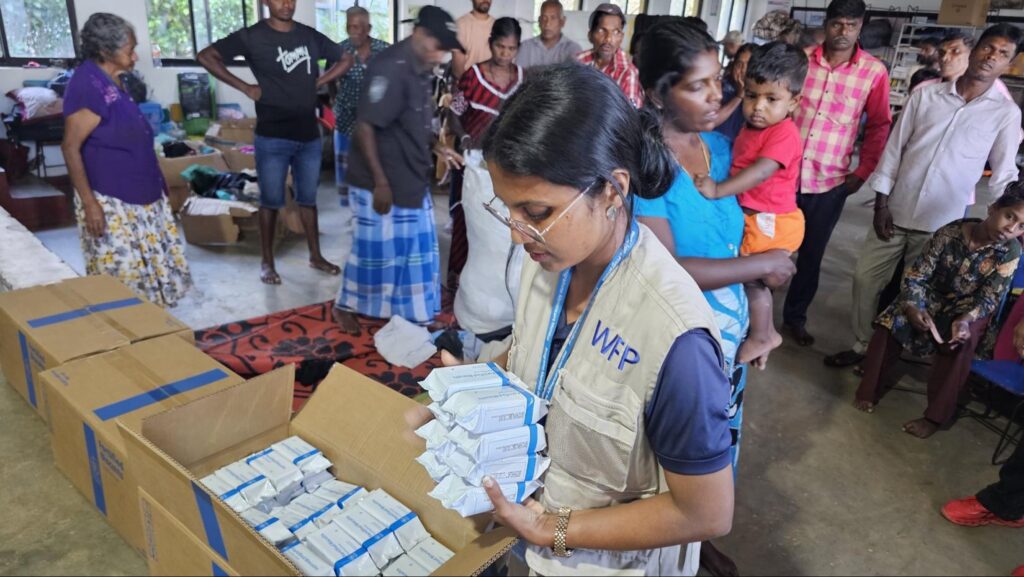
International organisations supporting the initiative stressed the urgency of rebuilding public trust. UNICEF Sri Lanka Representative Emma Brigham emphasised that timely assistance was “a right, not a privilege,” while UN Volunteers officials highlighted the role played by technical experts and grassroots volunteers in creating the system.
For survivors struggling to rebuild their lives, the digital initiative offers cautious hope. Yet many remain skeptical after months of delays and unfulfilled promises. In communities still surrounded by debris and uncertainty, residents say true recovery will depend not on announcements or ceremonies, but on whether aid and housing finally reach those who need them most.
By a Special Correspondent