




By a special correspondent
Sri Lanka’s fragile energy security has once again come into sharp focus, following assurances from Russian Deputy Energy Minister Roman Marshavin that Russia is ready to supply fuel, gas, and coal to Sri Lanka despite ongoing global tensions. While officials from the Ceylon Petroleum Corporation (CPC) confirm that arrangements for imports are already underway, questions remain about whether such commitments can materialize under mounting geopolitical constraints.
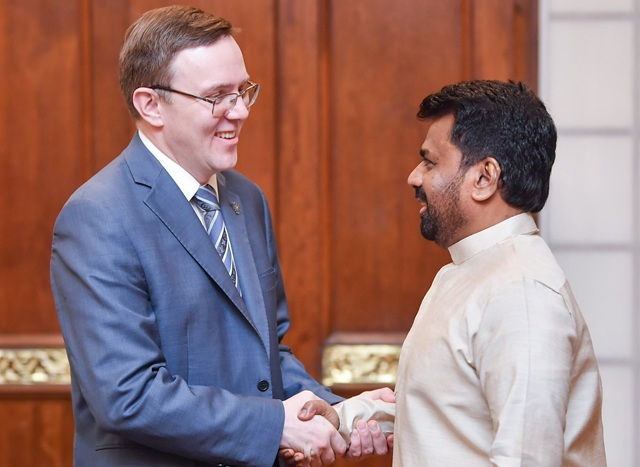
CPC Managing Director Mayura Neththikumarage stated that most fuel shipments scheduled for April and May have been secured through ongoing discussions with Russian suppliers. However, logistical bottlenecks including congestion at Sri Lanka’s limited fuel unloading terminals continue to delay arrivals. Despite these hurdles, authorities insist that fuel availability will remain stable through May, supported by incoming shipments such as a vessel carrying 32,000 metric tons of diesel and 5,000 metric tons of jet fuel.
The assurances from Moscow come at a critical moment. The ongoing conflict in the Middle East has disrupted global energy markets, pushing prices upward and tightening supply chains. In response, Russia has pledged “maximum assistance” to Sri Lanka, including support for both immediate fuel needs and long-term energy stability. The commitment was conveyed during a visit by Sri Lankan Minister Bimal Rathnayake to Russia, signaling a strengthening of bilateral ties.
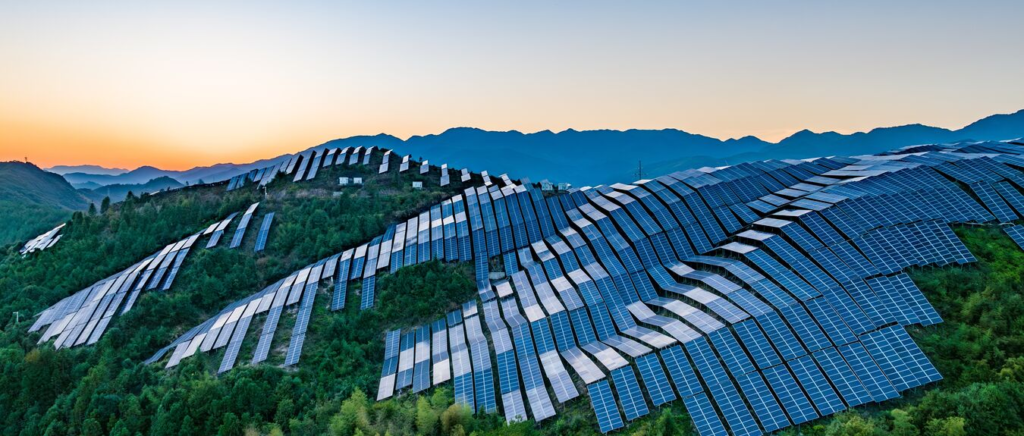
Hogan Lovells sanctions against the Russian energy sector

However beneath the optimism lies a complex geopolitical reality. Sri Lanka’s ability to fully engage with Russian energy suppliers may be constrained by international sanctions led by the United States and its allies. These sanctions target Russian energy exports and financial transactions, creating potential risks for countries entering into such agreements. Payment mechanisms, insurance for shipments, and banking channels could all become obstacles, complicating what appears on the surface to be a straightforward supply arrangement.
Energy analysts warn that while Russia has the capacity and willingness to supply fuel, Sri Lanka must carefully navigate the legal and financial implications of such deals. Past instances have shown that sanctions can indirectly disrupt shipments, even when countries are not explicitly prohibited from trading. For Sri Lanka, still recovering from its recent economic crisis, any misstep could have broader repercussions on its international financial relationships.
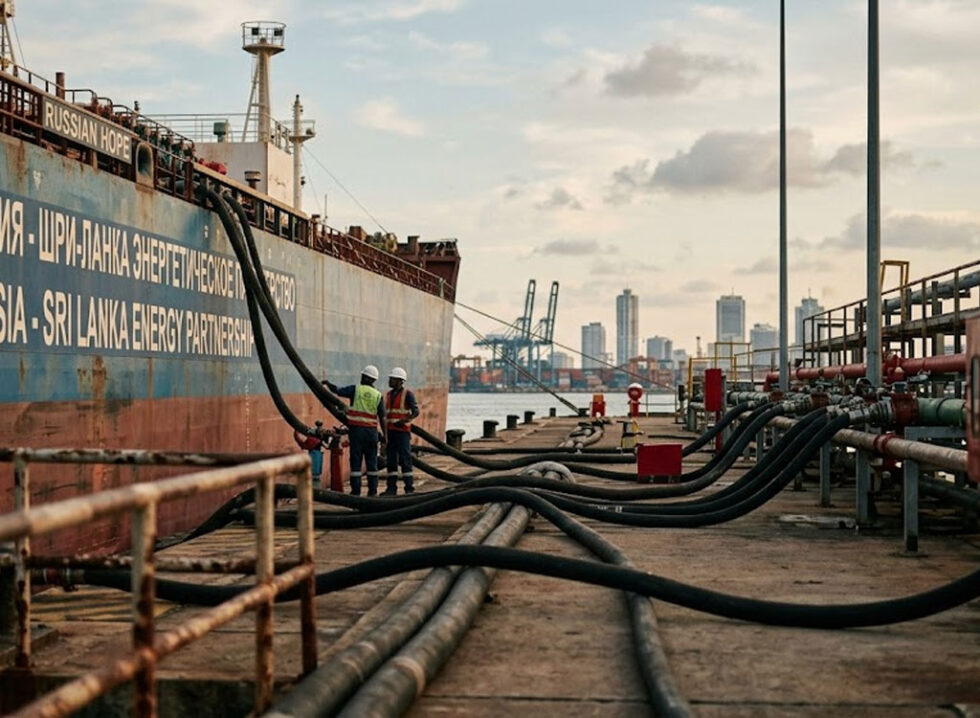
At the same time, the urgency of ensuring uninterrupted fuel supplies cannot be overstated. Authorities have urged the public to conserve fuel, acknowledging the continued pressure of high global prices. With domestic demand expected to rise after the festive season, maintaining steady imports is essential.
Ultimately, Russia’s assurances offer a potential lifeline but one entangled in geopolitical complexities. Whether Sri Lanka can convert these promises into reliable, sustained energy support will depend not only on logistics, but on its ability to balance diplomatic relationships in an increasingly polarized global landscape.