




by a special correspondent
Serious discrepancies in coal shipment documentation have ignited fresh controversy over procurement practices overseen by Sri Lanka’s Energy Ministry, intensifying scrutiny of deals linked to the state-run Lanka Coal Company (LCC). Revelations surfaced during a session of Parliament’s Sectoral Oversight Committee on Infrastructure and Strategic Development, chaired by MP S.M. Marikkar, where officials from the Ceylon Electricity Board (CEB), the Public Utilities Commission of Sri Lanka (PUCSL), and the Lakvijaya Power Plant presented conflicting technical data.
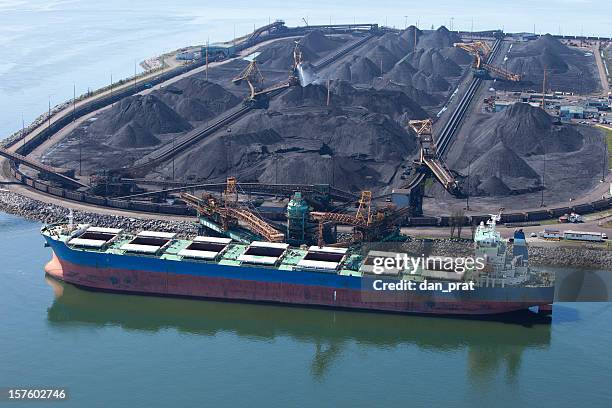
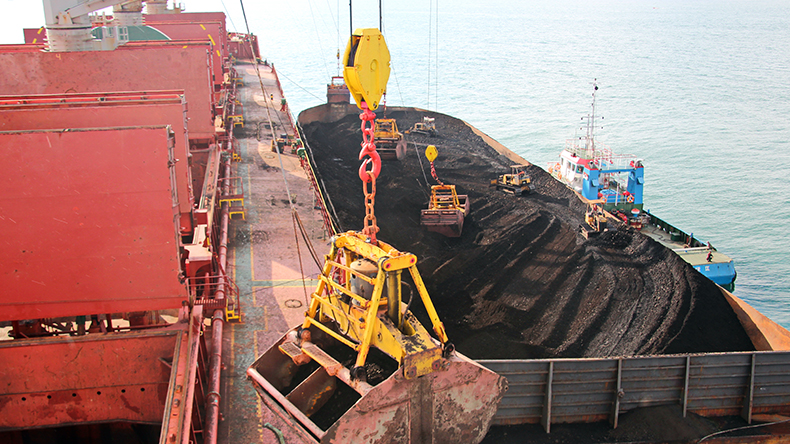
According to CEB documentation, load port and discharge port reports from coal consignments failed to align with plant-level findings at Lakvijaya. Most alarming were reports indicating that the first three shipments recorded Gross Calorific Values (GCV) below 5,900 kcal/kg — significantly under optimal benchmarks required for efficient power generation. Lower calorific value coal reduces thermal efficiency, forcing higher fuel consumption and increasing generation costs.
The controversy deepened when CEB reports revealed that financial losses from the first shipment could be recovered through penalties imposed on the supplier, yet losses from subsequent shipments were deemed non-recoverable. Lawmakers questioned why accountability mechanisms appeared selectively enforced and why Indian laboratory certifications validating the coal quality contradicted plant-level assessments.
Critics argue the discrepancies raise red flags about procurement transparency under the Energy Ministry, which has already faced allegations of irregularities in long-term supply agreements. While no formal conviction has been established, opposition MPs allege systemic lapses that could amount to financial mismanagement or corruption if deliberate misreporting is proven.
Sri Lanka’s energy sector remains financially fragile. The CEB has accumulated substantial debt in recent years, exacerbated by fuel import volatility and currency depreciation. Any inefficiency in coal procurement — particularly substandard consignments directly burdens consumers through higher tariffs or state subsidies. The PUCSL has now been tasked with quantifying the exact financial loss stemming from the use of lower-grade coal, a figure expected to run into billions of rupees if inefficiencies persisted across multiple shipments.
The Committee also pressed for implementation of recommendations by the Auditor General to restore stricter pre-2023 supplier registration standards at LCC. Lawmakers demanded explanations for the failure to inform Cabinet of these recommendations, signaling possible administrative negligence at high levels.
With coal supplying a substantial share of base-load electricity, procurement integrity is critical to national energy security. Calls for independent laboratory testing of contested shipments underscore growing mistrust of existing verification mechanisms. As investigations intensify, the scandal threatens to deepen political fallout for the Energy Ministry and raise broader concerns about governance in Sri Lanka’s strategic infrastructure sectors