




Sri Lanka is preparing to make one of its largest energy-sector investments in decades, with the Ceylon Petroleum Corporation (CPC) moving ahead with a massive expansion and modernisation of the Sapugaskanda Oil Refinery under a Build-Operate-Transfer (BOT) model. The project would double refining capacity from 50,000 barrels per day to 100,000 barrels, potentially reshaping the country’s fuel security and foreign-exchange strategy.
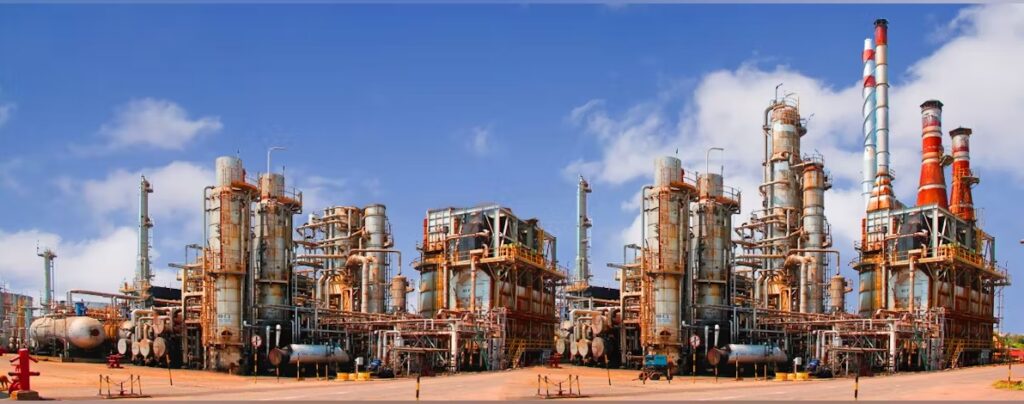
CPC insists the initiative is not a privatisation or conventional Public-Private Partnership. Instead, it is being structured as project financing, with a private international investor expected to finance, build and operate the expanded facility before transferring it back under agreed terms.
That distinction, however, does not remove the need for close scrutiny of the project’s financial assumptions, contractual safeguards and eventual obligations on the Government.
Professional services firm EY is currently conducting a comprehensive valuation of the refinery’s assets, with completion expected by October 2026. CPC Managing Director Mayura Neththikumarage has stressed that the valuation is not intended to prepare the refinery for privatisation.
The project has already attracted substantial international attention. An initial Expression of Interest process produced 20 responses from global investors, while the Technical Evaluation Committee has completed its assessment. A final Request for Proposal framework is now expected to be presented to the Cabinet of Ministers before shortlisted investors are invited to submit binding proposals.
The winning investor would reportedly provide the principal financing for a three-year implementation programme. The first year would focus on engineering and design, followed by two years of construction. Additional land required for the new facilities is also nearing finalisation and demarcation.
The numbers behind the project are striking. Total capital investment is estimated at US$2.766 billion, while the project’s Net Present Value is projected at US$1.504 billion, based on a 10 percent discount rate. Its Internal Rate of Return is estimated at 16.1 percent over a 20-year operating period, with capital payback expected within six years.
Projected annual cash generation ranges from US$300 million to US$700 million, while cumulative cash flows over two decades are forecast to exceed US$9.12 billion.
Yet the central economic question is whether these projections will withstand changes in global crude prices, refining margins, exchange rates, financing costs and domestic fuel demand.
Sri Lanka currently spends around US$4.23 billion annually on oil imports. Doubling domestic refining capacity is therefore being positioned as a mechanism to reduce the foreign-exchange burden associated with importing refined petroleum products.
But the Government’s energy strategy goes beyond Sapugaskanda. The proposed Sinopec Hambantota refinery represents a contrasting model: Sapugaskanda is primarily intended to strengthen domestic self-sufficiency and price stability, while Hambantota is designed around large-scale export activity.
The real test will therefore be whether the BOT structure delivers the promised investment without transferring hidden financial, operational or contractual risks back to the public. For a country emerging from a severe foreign-exchange crisis, US$2.766 billion is not merely an infrastructure investment it is a long-term national financial commitment that demands maximum transparency.