




Sri Lanka’s campaign to dismantle informal money transfer networks has reached a defining moment. Despite a new licensing regime, reduced capital requirements and stronger enforcement powers, not a single Hawala or Undiyal operator has registered with the Central Bank of Sri Lanka (CBSL), exposing the deep-rooted challenges of bringing a shadow financial system into the formal economy.
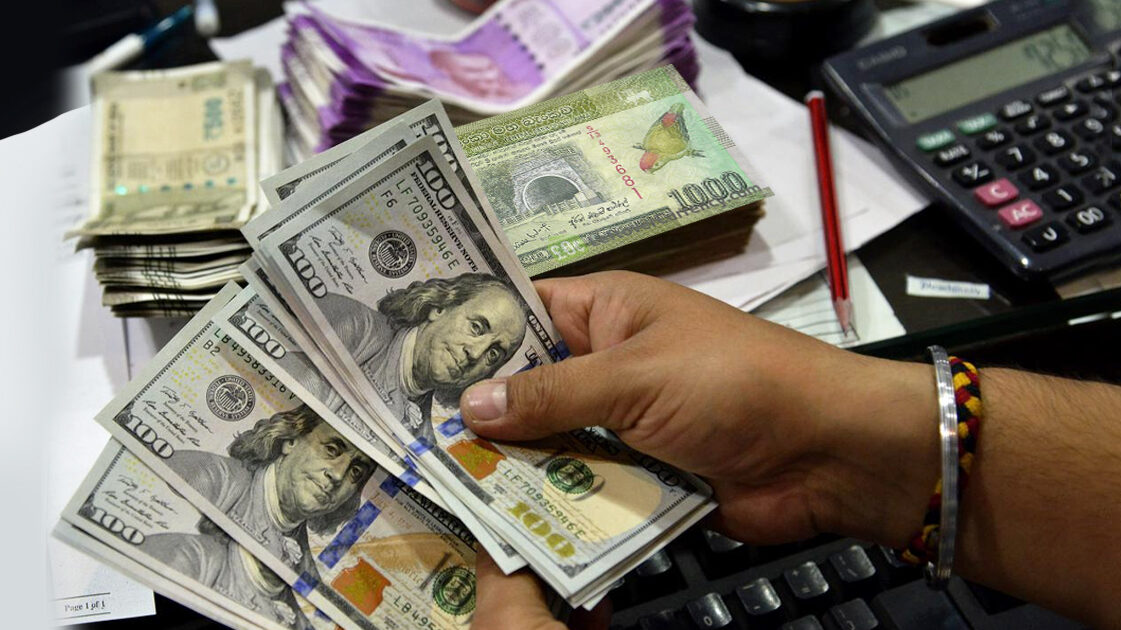
The revelation before the Parliamentary Committee on Public Finance (CoPF) raises a fundamental question: has the government’s strategy succeeded in formalising illicit money transfer networks, or has it simply driven them further underground?
For decades, Hawala and Undiyal operators have moved money across borders outside the regulated banking system through networks built on trust rather than documented financial transactions. Because no money physically crosses borders and transactions leave virtually no official trail, authorities concede there is no reliable estimate of the number of active operators or the total value of funds moving through these underground channels.
That opacity carries a significant economic cost.
Every dollar routed through informal networks deprives the banking system of foreign exchange liquidity, weakens the country’s official reserves and reduces the effectiveness of monetary policy. Such networks also complicate efforts to detect money laundering, terrorist financing and tax evasion.
Recognising these risks, the CBSL introduced regulations requiring money or value transfer service providers to obtain licences. The latest amendments lowered the minimum capital requirement for locally registered operators from Rs. 20 million to Rs. 15 million while expanding regulatory oversight to overseas-based operators serving Sri Lanka.
Hitherto the response has been striking. CBSL officials informed lawmakers that not a single local Hawala or Undiyal operator had registered. Only one applicant had previously sought registration, requesting a lower capital requirement that ultimately prompted the regulatory amendment.
Lawmakers questioned whether the capital threshold had ever been the real obstacle.
CoPF Chairman Dr. Harsha de Silva argued that businesses handling substantial informal remittance volumes were unlikely to be deterred by a Rs. 5 million difference in capital requirements. Other committee members similarly questioned whether the regulatory framework had failed to address the commercial incentives that keep operators outside the formal system.
The Central Bank counters that the reforms have delivered measurable gains elsewhere.
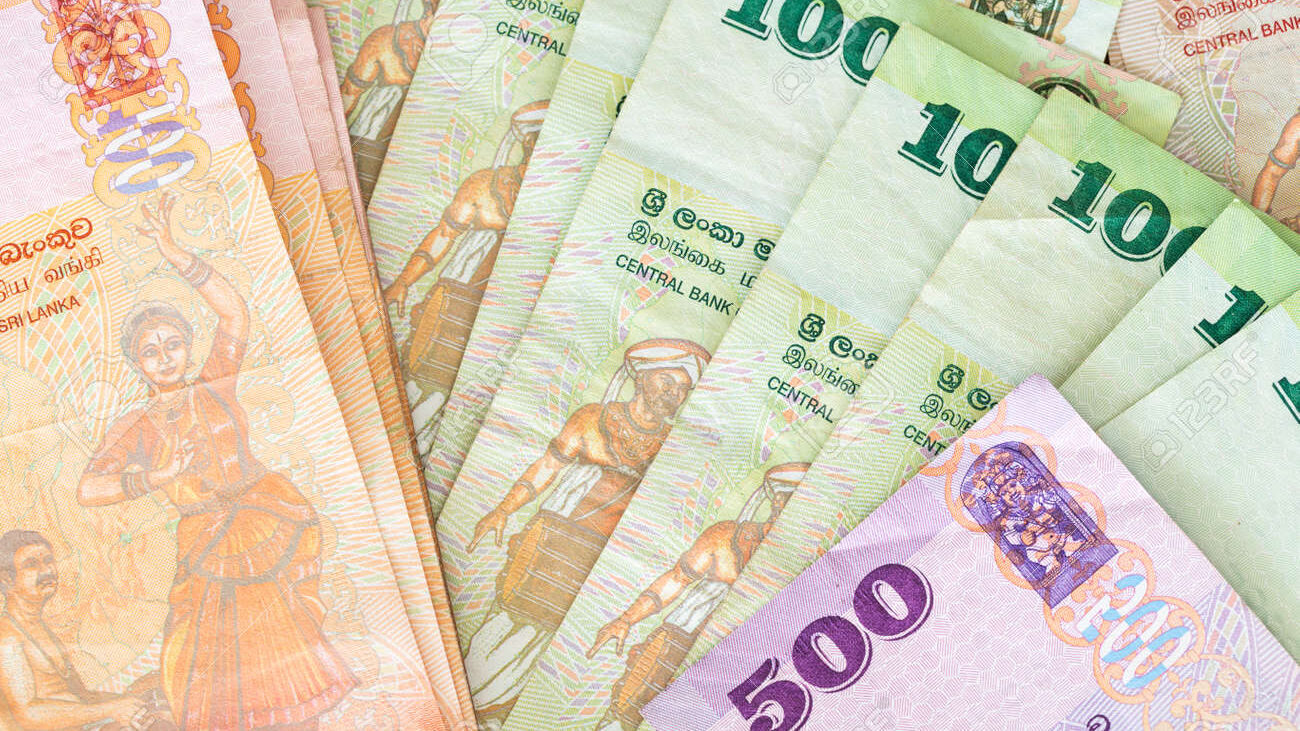
With Sri Lanka abandoning the multiple exchange-rate distortions that once made informal transfers more attractive, worker remittances have increasingly returned to licensed banking channels. Official remittances exceeded US$3.9 billion during the first five months of 2026. Monthly inflows climbed to US$847 million in May, up 32 percent from a year earlier, following US$767.9 million recorded in April.
Those figures suggest billions of dollars that may previously have bypassed the banking system are now entering regulated financial institutions.
Meanwhile, Parliament has further tightened the legal net by strengthening anti-money laundering laws, giving authorities broader powers to freeze assets linked to illicit financial networks ahead of Sri Lanka’s upcoming Asia Pacific Group mutual evaluation.
But the absence of a single registered Hawala operator underscores a stubborn reality. While stronger laws may have increased the legal risks of operating outside the system, the underground economy has not necessarily disappeared. Until authorities can dismantle the incentives sustaining informal money transfers, Sri Lanka’s shadow remittance market will continue to test both regulators and the broader economy.