




Sri Lanka’s fuel procurement system is once again under intense scrutiny, with allegations of inflated emergency purchases, costly long-term contracts, and weak oversight exposing the country to billions of rupees in avoidable losses. Independent analysis and political oversight suggest that inefficiencies within the Ceylon Petroleum Corporation (CPC) and other state-owned energy institutions have shifted the financial burden onto ordinary citizens through higher fuel and electricity costs.
One of the most controversial allegations involves the CPC’s reported acceptance of an unsolicited proposal to purchase 248,000 barrels of diesel at a premium of US$45 per barrel in early 2026. Critics argue that this decision ignored more competitive offers priced at US$38 per barrel, raising serious questions about procurement transparency and value for money.
Pricing data has further intensified concerns. According to independent analysis by PublicFinance.lk of Verité Research, the CPC declared diesel import costs that were approximately 40 percent higher than the Singapore market benchmark. During periods when international diesel prices averaged around US$190 per barrel, the CPC reportedly recorded import costs equivalent to about US$268 per barrel. Such discrepancies have prompted calls for a comprehensive audit into procurement practices and cost calculations.
Officials have also acknowledged weaknesses in the management of long-term fuel contracts. Poorly timed term tenders reportedly locked Sri Lanka into historically high prices even after global fuel markets softened, preventing the country from benefiting from falling international oil prices and increasing pressure on public finances.
The controversy extends beyond petroleum procurement. Investigations into the Lanka Coal Company have highlighted imports of coal with lower-than-required thermal efficiency, resulting in direct losses estimated at more than Rs. 2.24 billion. Reduced power generation efficiency forced authorities to rely more heavily on expensive diesel-powered electricity generation, significantly increasing operational costs across the energy sector.
The financial consequences have been severe. Analysts estimate that inflated procurement prices created a substantial premium gap, with diesel import costs reportedly exceeding rational market pricing by around Rs. 200 per litre. To absorb these losses and maintain fuel supplies, the government reportedly exhausted an emergency financial buffer of approximately Rs. 57 billion.
Meanwhile, accumulated losses at the CPC have continued to place significant pressure on state-owned banks, which have historically financed the corporation’s deficits. Economists warn that growing debt exposure within these institutions could create wider risks for Sri Lanka’s financial stability if structural reforms are delayed.
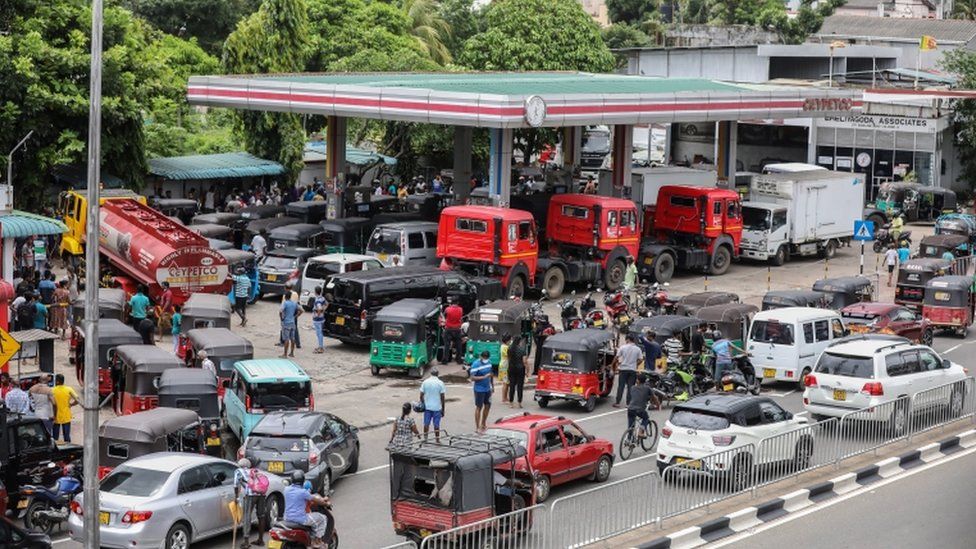
For consumers, the consequences are increasingly visible. Fuel prices have frequently followed what analysts describe as a “rockets-and-feathers” pattern—rising rapidly when global oil prices increase but declining only marginally when international markets ease. Electricity consumers have also faced higher tariffs as costly diesel generation and inefficient fuel procurement expenses are passed through to the national power system.
With mounting evidence of procurement inefficiencies, governance failures and pricing anomalies, pressure is growing for independent investigations, greater transparency and procurement reforms to prevent further losses. Without meaningful accountability, critics warn that Sri Lanka’s taxpayers and consumers will continue paying the price for systemic failures within the country’s energy sector.