




Sri Lanka’s ambitious revenue reform programme has come under fresh scrutiny, with the International Monetary Fund (IMF) conducting a comprehensive review of tax administration reforms amid the country’s ongoing efforts to strengthen public finances under its economic recovery agenda.
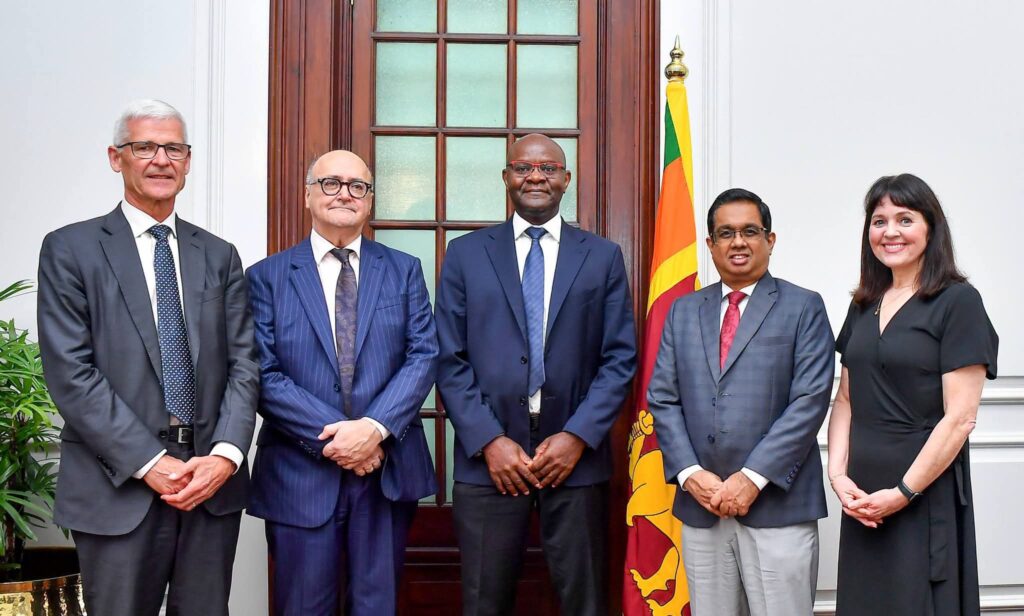
A high-level delegation from the IMF’s Fiscal Affairs Department met officials of the State Revenue Administration Reform and Modernization Department (RARMB) at the President’s Office to assess progress made under Sri Lanka’s Medium-Term Revenue Strategy (MTRS), which seeks to overhaul the country’s tax, customs and excise administration.
The review signals the IMF’s continued close oversight of reforms considered critical to restoring fiscal stability, particularly as Sri Lanka remains committed to meeting revenue targets under its economic reform programme.
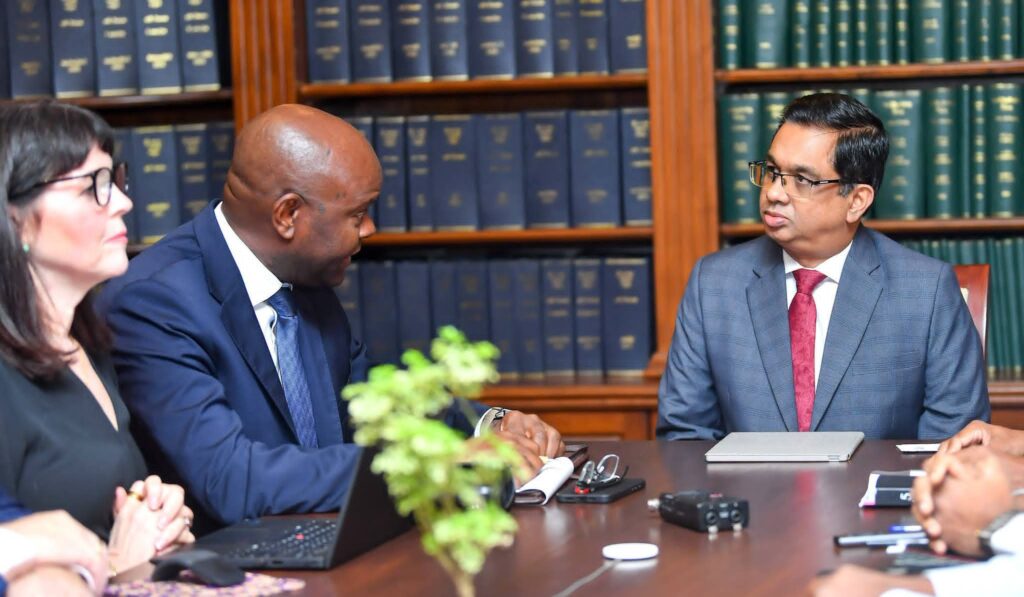
According to the President’s Media Division (PMD), the IMF delegation focused on several priority areas, including digital transformation projects, faster integration of government data systems, leadership and human resource development, and strategies aimed at expanding Sri Lanka’s relatively narrow tax base.
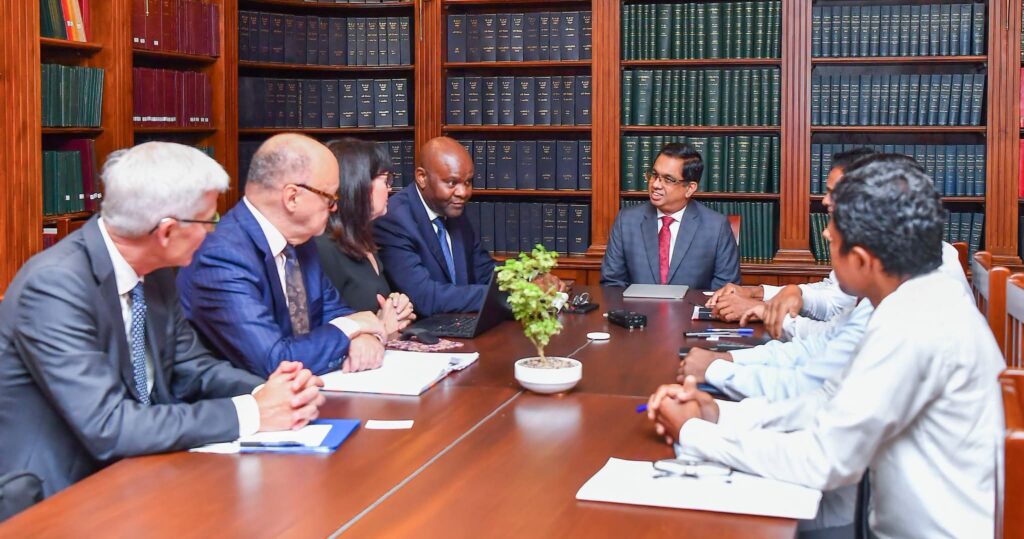
The visiting delegation included Revenue Administration Project Manager Andrew Kille, Revenue Administration Project Manager Cindy Negus, IMF Resident Tax Advisor to Sri Lanka’s Inland Revenue Department Greg, Canadian senior advisor Bob Hamilton, and senior officials attached to the RARMB.
Beyond discussions with the RARMB, the IMF team also held separate meetings with senior officials from the Inland Revenue Department (IRD), Ministry of Finance, Sri Lanka Customs and the Department of Excise, reflecting the broad scope of the reform programme.
The RARMB, established in 2025 under President Anura Kumara Dissanayake’s administration, serves as the central coordinating body responsible for modernising revenue collection, streamlining tax administration and integrating the operations of the Inland Revenue Department, Sri Lanka Customs and the Department of Excise.
Government officials claim the reforms are already yielding measurable improvements. The PMD said the Inland Revenue Department’s restructuring into Medium Corporate, Metro and Regional Offices has significantly improved tax compliance, increasing rates from an estimated 40-45 percent to between 70 and 75 percent. However, authorities have yet to publicly release detailed independent data supporting these figures.
The review also highlighted legislative and technological reforms underway across other revenue agencies. A draft Bill to amend the Customs Ordinance has already been submitted to the Legal Draftsman’s Department, while further measures including tariff simplification, paperless customs procedures and improved facilitation for exporters are expected to be introduced in the coming months.
Meanwhile, the Department of Excise is implementing a new Excise Management System aimed at modernising regulatory and revenue collection processes.
One of the more significant structural reforms involves establishing an integrated coordination mechanism between Sri Lanka Customs and the Inland Revenue Department. The system is designed to facilitate real-time data sharing, joint risk assessments, coordinated audits and improved verification of tax compliance among importers, reducing opportunities for revenue leakage.
The IMF delegation concluded the review by reaffirming its commitment to continue providing technical assistance and advisory support to Sri Lanka’s revenue reform programme, underscoring the importance of sustained institutional reforms as the country seeks to strengthen domestic revenue mobilisation and maintain progress under its broader economic recovery framework.