




The sinking of the Iranian naval ship Dena has led to growing controversy over whether delays in granting safe harbor contributed to the tragedy.
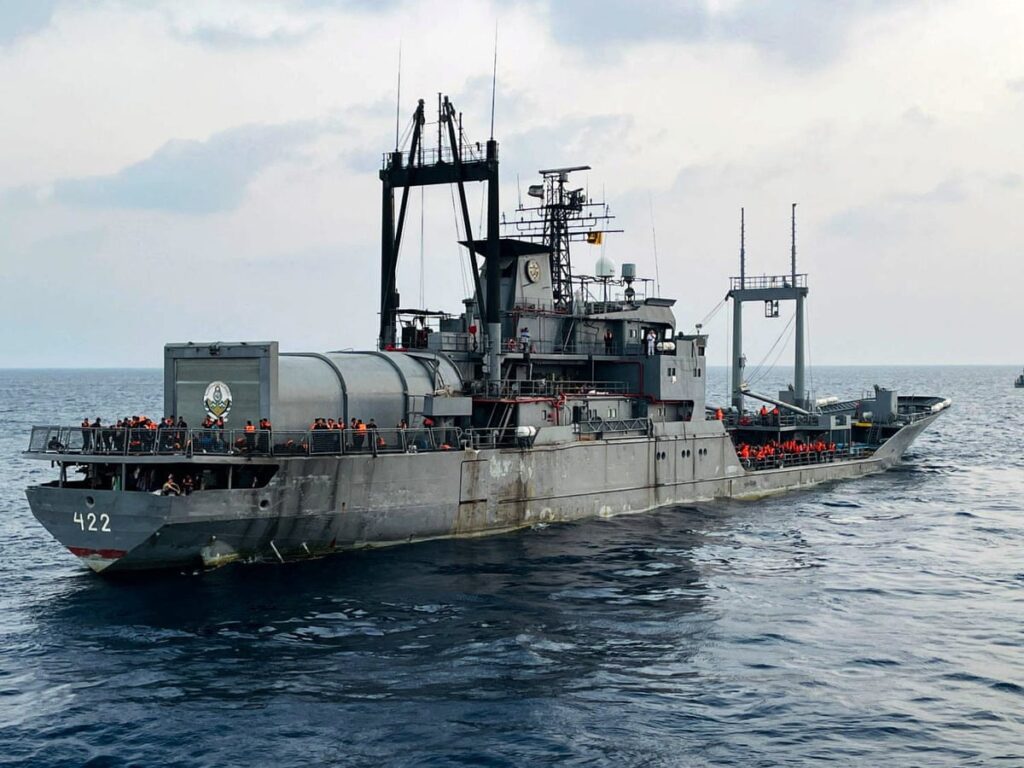
Before the escalation of conflict in late February, Iran reportedly requested docking permission for the Dena and two escort ships from Sri Lanka and India. These requests were made while the ships were still operating in the Indian Ocean region.
Sri Lanka confirmed that it received Iran’s request but did not immediately approve it. India later granted permission for the ships to dock, but only one vessel was eventually allowed to enter port. The Dena remained at sea.
No official reason has been clearly provided for why the Dena and one escort ship were not given immediate access to safety.
Analysts say the timing is important. The ship could have reached safety in a matter of hours if it had been allowed to dock at nearby ports. Instead, it remained in international waters during a period of rising military tension.
Former naval officials in Sri Lanka have said earlier action could have prevented loss of life. Iranian officials have accused some neighboring countries of failing to remain neutral and of not acting quickly enough to protect the ships.
The situation has also caused diplomatic tension. Reports suggest that external political pressure influenced decisions regarding port access and the treatment of survivors after the attack. Economic and trade considerations are also believed to have played a role, according to officials.
India’s role has drawn particular attention. The country, long known for its non-aligned foreign policy, is now facing criticism for appearing closer to Western strategic positions during the crisis.
After the incident, surviving crew members were eventually returned to Iran, but only after delays that added to political tension.
The wider issue now being debated is whether the tragedy was caused only by a military strike, or whether delays and political decisions in the region also contributed to the outcome.
At the center of the dispute is a larger question of responsibility: whether regional powers acted quickly enough to prevent a disaster at sea, or whether inaction helped shape the final outcome.
By a Special Correspondent