




By a special correspondent
Food security in Sri Lanka is coming under increasing pressure as rising costs and supply disruptions affect the daily lives of millions. According to the World Food Programme, the impact of global tensions is now being felt most acutely at the household level, where access to affordable and nutritious food is becoming more difficult.
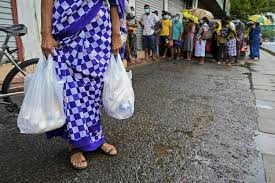
The main driver of this pressure is the sharp rise in fuel prices. Domestic fuel costs have increased by up to 35%, reflecting global market instability linked to tensions involving the United States, Israel, and Iran. This increase affects every stage of the food supply chain, from production and processing to transport and retail.
For farmers, higher fuel and fertiliser costs are reducing their ability to produce crops efficiently. Sri Lanka’s reliance on imported fertiliser makes the situation more difficult, especially with disruptions in the Strait of Hormuz affecting global supply. Reduced fertiliser use can lead to lower yields, which in turn tightens food availability in local markets.
At the same time, the cost of imported food continues to rise. Essential items such as grains and edible oils are becoming more expensive due to higher global prices and increased shipping costs. This is particularly concerning for a country that depends heavily on food imports to meet domestic demand.
Low-income households are the most affected. Daily wage earners and estate sector workers spend a significant portion of their income on food, making them highly vulnerable to price increases. As costs rise, many families are forced to cut back on meals or switch to less nutritious options, increasing the risk of malnutrition.
External factors are also adding to the strain. Remittances, a key source of income for many households, may become less reliable if instability in Gulf countries continues. A decline in these inflows would reduce purchasing power and further limit access to food.
Recent events have already highlighted the fragility of household food security. Communities affected by Cyclone Ditwah experienced significant disruptions, and although some recovery has taken place, rising prices now threaten to undo that progress.
The WFP emphasises that the combined impact of higher living costs, supply chain disruptions, and uncertain incomes could push more families into food insecurity. Without targeted support, the situation may worsen, particularly in already vulnerable regions.
Ensuring food security will require immediate and coordinated action. Measures such as improving access to fertiliser, stabilising prices, and strengthening social safety nets will be essential. At the same time, efforts to secure reliable supply chains and diversify import sources can help reduce future risks.
For Sri Lanka, protecting access to food must remain a national priority as global uncertainties continue to unfold.