




COLOMBO –
The controversial “Pentara” luxury residential project in Thummulla, Colombo 05, has been plunged into a massive crisis following a series of high-stakes legal battles and a direct intervention by the bribery commission. Developed by Home Lands, the project now faces serious allegations of regulatory breaches, corruption, and a lack of transparency in ongoing court proceedings.
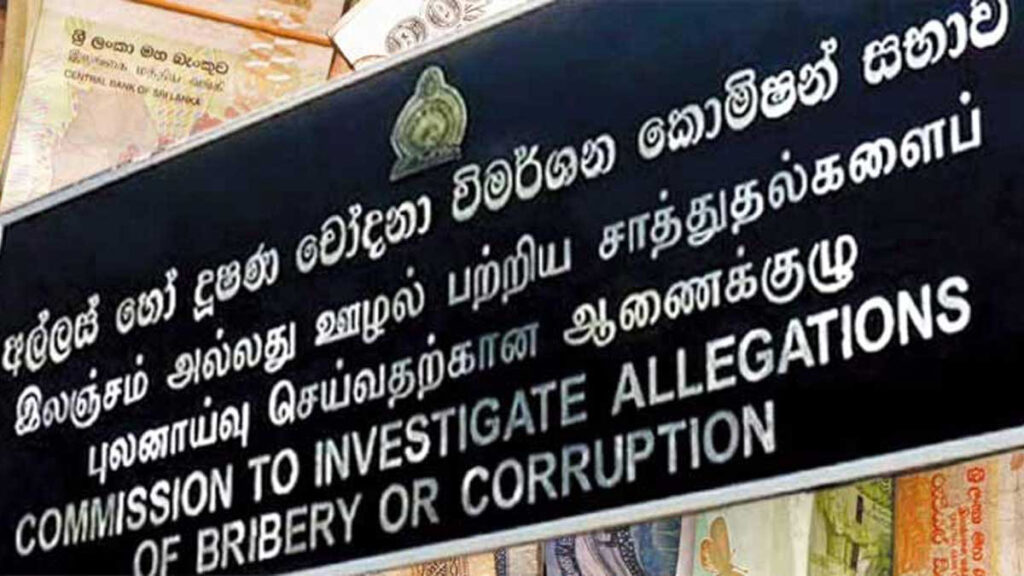
CIABOC Seizes Pentara Files; Transparency of DSG Questioned
In a major development, the Commission to Investigate Allegations of Bribery or Corruption (CIABOC) recently raided the Urban Development Authority (UDA) and took the original “Pentara” project files into its custody. This move follows allegations of bribery and corruption regarding the approval process of the construction.
However, a fresh controversy has erupted in the Court of Appeal. It is alleged that Deputy Solicitor General (DSG) Chaya Sri Nammuni, representing the UDA, failed to disclose this critical information—that the project is currently under criminal investigation—during her recent submissions. Petitioners have questioned the DSG’s role, asking whether her representation is intended to serve the public interest or protect the interests of a wealthy developer.
A Triple Threat in the Judiciary
The Pentara project is currently fighting for its survival across three separate judicial forums, each posing a fundamental threat to its completion:

1. Court of Appeal (Writ Applications: 978/25, 786/25, 1097/25)
Residents have challenged the Development Permit, alleging that the UDA acted ultra vires (beyond its legal power). A primary point of contention is a major violation of frontage regulations. While UDA rules mandate a minimum 40m frontage for buildings of this height, the Pentara site reportedly possesses only 28m. Crucial hearings took place on January 21, 27, and February 11, 12, 2026, keeping the project’s fate hanging in the balance.
2. Supreme Court (Fundamental Rights)
Petitions have been filed alleging violations of constitutional rights under Articles 12(1), 14(1)(c), and 14(1)(h). The Supreme Court scheduled these matters for support and hearing throughout February 2026.
3. District Court (Public Nuisance & Safety)
While the developer has attempted to project a “legal victory” in the media, the District and Civil Appellate Courts have merely followed the standard procedure of allowing objections before considering an injunction. The case regarding structural damage to neighboring properties and safety hazards remains active, with objections having been due by February 6, 2026.
Why Investors are Withdrawing: The “Legal Landmine”
The realization that the project sits on a “legal landmine” has triggered an exodus of current apartment applicants seeking to rescind their bookings and recover their multi-million rupee deposits. Real estate analysts highlight three critical risks:
- Risk of Illegal Status: If the Court of Appeal quashes the UDA permit, the entire construction could be declared unauthorized, leading to a total halt or even partial demolition.
- Financing Roadblocks: With active litigation and a bribery probe, leading commercial banks are expected to tighten or halt end-user financing (home loans) for the project, making it nearly impossible for buyers to sell or settle their units.
- Unsafe Environment: Documented complaints regarding vibrations, structural cracks in nearby homes, and safety violations have severely damaged the project’s reputation as a premium living space.
A Grave Warning to Prospective Buyers
While developers have attempted to use recent procedural court steps to project an image of “legal clearance,” legal experts warn that this is far from the truth. The primary cases challenging the very legality of the project have not yet reached a final verdict.
“Entering into a purchase agreement at this stage is a futile exercise for any prudent investor. With the validity of the construction permit itself being questioned by the highest courts, the risk of losing one’s capital is exceptionally high,” noted a representative for the aggrieved residents.
The Pentara project is no longer just a construction site; it is a legal liability. As existing buyers scramble to recover their deposits, potential new applicants are being urged to exercise extreme caution. The recent court proceedings in early 2026 will likely serve as the final word on whether this project has a future or if it will remain a stalled monument to regulatory violations.