




Defense counsel and a dissenting member of the judicial bench exposed multiple glaring evidentiary weaknesses during the Trial-at-Bar regarding the misappropriation of Rs. 144.4 million in state funds through the procurement of 6,195 vials of substandard Human Immunoglobulin and Rituximab. In the trial—heard before the Colombo Permanent High Court against 12 accused, including former Health Minister Keheliya Rambukwella—severe controversy erupted over the prosecution’s handling of the “German Laboratory Report,” the cornerstone evidence relied upon to prove the conspiracy charge.
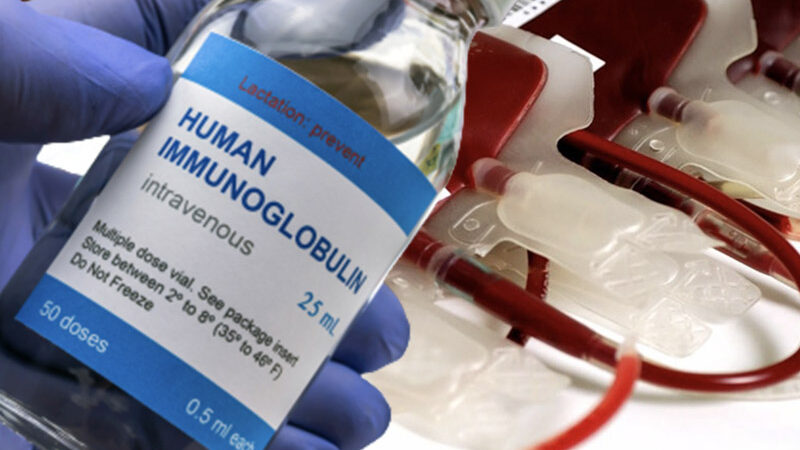
Due to the lack of accredited laboratories in Sri Lanka to verify whether the stock in question was genuine medication, investigators had forwarded the relevant samples to a laboratory in Germany. However, instead of summoning the respective laboratory analyst to testify, Deputy Solicitor General (DSG) Lakmini Girihagama moved to submit the analytical report as an “affidavit.” Citing exorbitant travel costs and German legal constraints preventing online testimony via the embassy, the prosecution submitted the document under Section 414 (3) of the Code of Criminal Procedure.
This strategic move was met with fierce opposition from the defense. Counsel Harendra Banagala, representing the first accused, challenged the submission’s validity:
"This is the first time we are witnessing affidavit evidence being introduced in a Sri Lankan criminal trial. This is a highly irregular trend and a dangerous precedent. A mere document has been tendered. How can we trust it? What is our guarantee of its authenticity? How do we cross-examine this individual? How are we to question the qualifications of the person submitting an analytical report on such a grave matter?"Concurrently, Counsel Asela Serasinghe, representing the second accused, dismantled the prosecution’s legal premise:
"According to the provisions of our law, specifically Section 414 (3), only a specialist medical officer is permitted to tender evidence via a document without appearing in person. However, this individual is not a laboratory specialist; she is a pharmacist. Admitting evidence from such an individual in this manner is strictly illegal."Other defense counsel, including Nayantha Wijesundara, Amitha Ariyaratne, Priyantha Nawana, Rahul Jayathilake, and Chaminda Athukorala, vehemently opposed the admission, questioning how a document could be trusted as evidence based purely on assumptions.
The three-judge bench delivered a split decision on admitting this critical evidence. Presiding Judge Priyantha Liyanage and Judge Thilakarathne Bandara, citing practical constraints and the necessity of administering justice, ruled to accept the report—excluding the section drafted in German—subject to certain limitations.
However, delivering a dissenting opinion, Judge Viraj Weerasuriya launched a scathing critique of the prosecution’s evidence, ruling that the submitted affidavit was riddled with flaws.
"This report regarding the drugs in question appears to be the primary evidence in this case. The Court observes that failing to subject the witness to cross-examination under these circumstances could result in a grave injustice to the accused," Judge Weerasuriya stated.He further noted that while the prosecution had listed two German nationals as witnesses, they had not requested a language translator, leaving the language of testimony ambiguous. Moreover, no court order had been obtained to direct the submission of confidential documents necessary for summoning these foreign witnesses.
Strictly scrutinizing the affidavit’s legal validity, the dissenting Judge revealed that although the official scope of duties of the relevant female witness was outlined in the third paragraph, the document itself bore the signature of a completely different female individual. He also emphasized that the documents contained handwritten annotations, for which the prosecution provided no specific explanation regarding when or why they were included.
Noting the absence of any official report confirming that the German government had formally rejected the attempt to lead evidence from Germany, Judge Weerasuriya concluded that the affidavit’s defects must be assessed circumstantially. Consequently, he ruled that permission should be denied to mark the controversial affidavit and its annexures as evidence.
Although the Court admitted the evidence based on the majority decision, the grave procedural and evidentiary anomalies exposed by the defense and Judge Weerasuriya have drawn intense judicial scrutiny toward the reliability of the prosecution’s case.