




by a special correspondent
Sri Lanka’s food security is under mounting threat as global supply disruptions triggered by the Gulf crisis expose the fragility of its import-dependent system. While fertilizer shortages dominate headlines, a deeper structural vulnerability lies in the nation’s heavy reliance on imported food, particularly cereals.
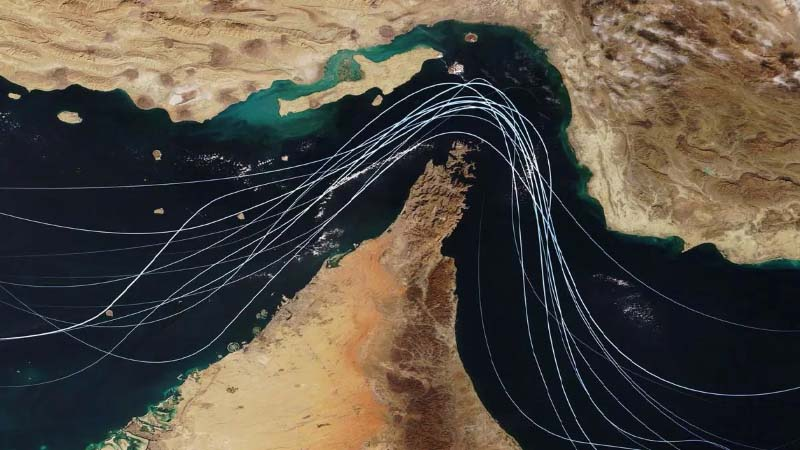
The ongoing conflict involving the United States, Israel, and Iran has severely disrupted maritime trade routes, especially through the Strait of Hormuz a critical artery for global shipping. This has not only constrained fertilizer flows but also increased costs across the entire food import chain, amplifying economic pressure on the island nation.
Sri Lanka imports approximately 1.6 million tonnes of cereals annually, with wheat accounting for a significant share of caloric intake. Total food imports exceed $1.8 billion each year, underscoring the country’s dependence on external markets. Such reliance makes Sri Lanka highly susceptible to global price volatility, particularly during geopolitical crises.
Experts warn that fertilizer shortages in major agricultural exporters like India, Russia, and Australia could trigger a domino effect. Reduced crop yields in these countries would likely drive up international grain prices, further inflating Sri Lanka’s already high import bill. Strategic advisor A.D. Magedaragamage emphasizes that this interconnected risk could significantly worsen food affordability.
The situation is being closely tracked by global bodies such as the Food and Agriculture Organization and the World Food Programme, both of which have expressed concern over the cascading impacts on vulnerable populations. The FAO has already called for millions in aid to help farming communities withstand the dual shocks of rising input costs and declining productivity.
Meanwhile, shipping-related expenses are compounding the crisis. Insurance premiums for vessels navigating the conflict-affected region have surged by more than 1,000 percent. These costs are inevitably passed down the supply chain, making imported food significantly more expensive for consumers.
Government assurances of stability have done little to quell anxieties. While officials claim adequate fertilizer stocks for the current season, critics argue that such statements overlook broader systemic risks. The National Agrarian Union has highlighted not only supply uncertainties but also poor storage infrastructure, which could undermine even existing reserves.
The UN Trade and Development has warned that disruptions in key shipping routes could disproportionately affect poorer nations like Sri Lanka, where both agricultural inputs and food supplies are heavily import-dependent.
This dual vulnerability reliance on imported fertilizers and imported food creates a precarious feedback loop. Reduced domestic agricultural output due to fertilizer shortages increases dependence on imports, while rising global prices make those imports less affordable.
Unless structural reforms are undertaken to boost local production and diversify supply chains, Sri Lanka risks prolonged food insecurity. The current crisis serves as a stark reminder that geopolitical shocks, even those occurring thousands of miles away, can have immediate and profound consequences for nations deeply embedded in global trade networks.