




by a special correspondent
Sri Lanka’s tea industry is showing signs of resilience, but growing concerns are emerging over whether current policy direction is sufficient to navigate mounting global and regional challenges.
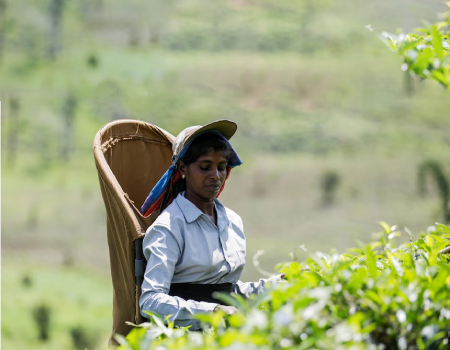
While export volumes have held relatively steady in early 2026, industry analysts point to a disconnect between external risks and domestic policy responses. The sector is now confronting a combination of geopolitical shocks particularly the Gulf crisis and structural weaknesses at home.
Figures compiled by Forbes & Walker Research indicate that although cumulative exports for January and February increased slightly, monthly performance in February slipped. More importantly, gains in rupee terms have not translated into stronger dollar earnings, exposing vulnerabilities in pricing and currency management.
The Gulf region remains central to Sri Lanka’s tea trade. Major importers such as Iraq and the United Arab Emirates account for a significant share of exports. Any disruption stemming from regional conflict could therefore have immediate consequences for volumes and revenue.
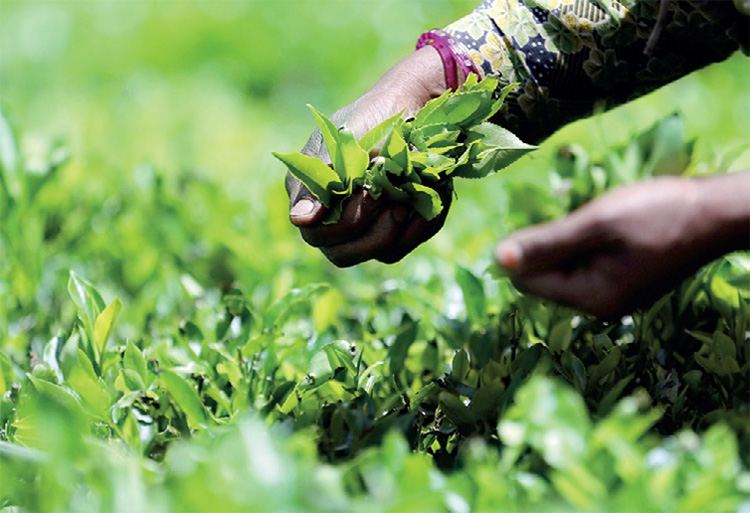
However industry stakeholders argue that the greater concern lies within. Policy uncertainty, rising production costs, and limited strategic direction have compounded external pressures. Critics say the Government’s approach lacks the coherence and urgency needed to support exporters during a period of heightened risk.
Unlike some competing tea-exporting nations, Sri Lanka has been slower to modernise supply chains, invest in value addition, and expand into non-traditional markets. While countries such as Türkiye are emerging as strong growth destinations, capitalising on these opportunities requires coordinated trade and marketing strategies.
There are also concerns about cost competitiveness. Higher input costs, inefficiencies in production, and logistical bottlenecks continue to weigh on the sector. In a volatile global market, these weaknesses could undermine Sri Lanka’s ability to sustain export growth.
The Gulf crisis adds another layer of complexity. Increased shipping costs, potential payment disruptions, and fluctuating demand could create immediate stress for exporters. Without proactive policy measures, the industry may struggle to absorb these shocks.
Looking ahead, survival will depend on a combination of market diversification, innovation, and stronger institutional support. Expanding value-added exports such as branded and packaged teas could help improve margins and reduce reliance on bulk shipments.
Equally important is the need for clear and consistent policy direction. Strengthening trade facilitation, supporting exporters, and improving cost structures will be essential to maintaining competitiveness.
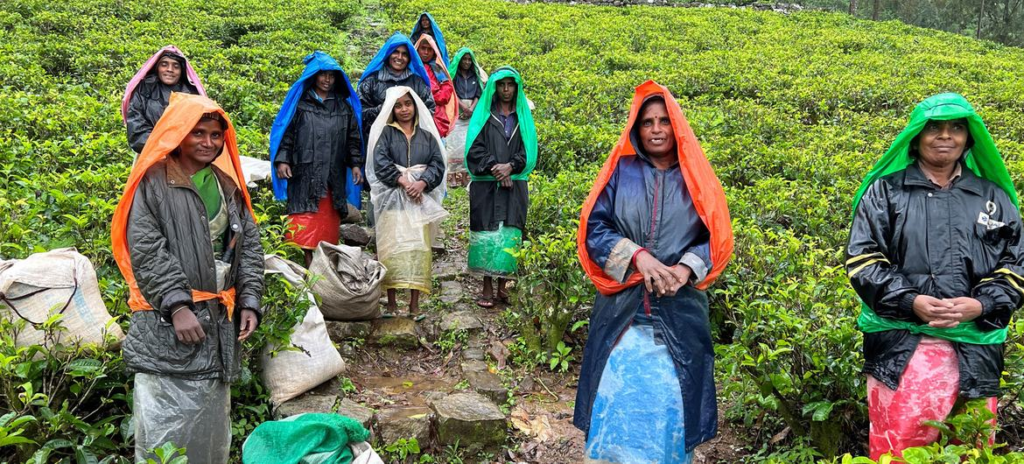
Sri Lanka’s tea industry has weathered crises before, but the current landscape is increasingly complex. With both external shocks and internal challenges converging, the sector stands at a κρίσιμο juncture. Its ability to adapt and the effectiveness of Government policy will ultimately determine whether it can sustain its position in the global market.