




By a special correspondent
The escalating conflict in the Middle East is sending shockwaves through Sri Lanka’s trade and shipping sectors, exposing the island’s heavy reliance on global maritime routes and energy-linked logistics. As of March 2026, early data suggests that the impact while still unfolding is already visible across imports, exports, and freight costs.
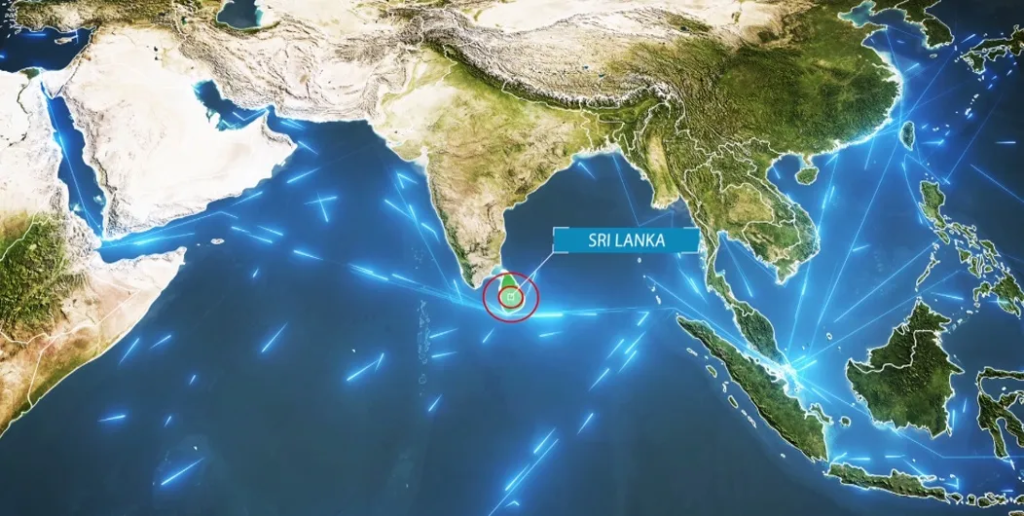
Sri Lanka’s external trade remains deeply dependent on shipping corridors that pass through or near the Gulf region. Any disruption in these routes, particularly those linked to transshipment hubs like Dubai, has immediate consequences for both exporters and importers. Since January, shipping lines have begun rerouting cargo, delaying deliveries, and imposing additional surcharges tied to war-risk insurance.
According to provisional estimates, Sri Lanka’s export earnings for the first quarter of 2026 stand at approximately $3.8 billion, marginally lower than the $4.0 billion recorded during the same period in 2025. While the decline appears modest, industry stakeholders warn that the full impact has yet to materialise, as many shipments were contracted before the crisis escalated.
Imports, meanwhile, have become significantly more expensive. Higher global oil prices—triggered by the Gulf conflict—have driven up fuel costs, which in turn affect freight rates and domestic transportation. Sri Lanka’s import bill for the first quarter is estimated at $4.5 billion, compared to $4.2 billion a year earlier, reflecting both price increases and logistical inefficiencies.
Export sectors such as tea, apparel, and rubber are particularly vulnerable. The Middle East accounts for over half of Sri Lanka’s tea exports, making the sector highly exposed to regional instability. Early disruptions included halted shipments to key markets such as Iraq and Iran, along with cargo diversions and delays. Although some alternative demand has emerged, exporters face rising costs from insurance premiums and extended transit times.
The apparel industry, while less directly dependent on the Gulf, is experiencing indirect pressure through increased input costs. Synthetic materials, dyes, and chemicals many of which are petroleum-based have become more expensive, squeezing profit margins. At the same time, higher freight charges are adding to the cost of delivering goods to key markets in Europe and the United States.
Shipping volumes through Colombo Port have remained relatively stable so far, with throughput estimated at around 1.8 million TEUs for the first quarter, slightly above last year’s levels. However, this stability masks underlying volatility, as shipping schedules become less predictable and turnaround times increase.
Looking ahead, the risks are significant. If the Gulf conflict persists, Sri Lanka could face sustained pressure on both export competitiveness and import costs. Prolonged disruptions may also affect foreign exchange inflows, complicating the country’s fragile economic recovery.
The situation underscores a broader structural vulnerability: Sri Lanka’s dependence on external trade routes and energy markets. While short-term adjustments such as rerouting shipments and diversifying marketsmay provide temporary relief, long-term resilience will require deeper reforms in trade logistics and energy strategy.