




The Government has attempted to settle Sri Lanka’s long-running crypto currency debate by drawing a sharp distinction between regulating virtual asset service providers and recognising crypto currencies themselves. However beneath the carefully calibrated language lies a policy that raises as many questions as it answers.
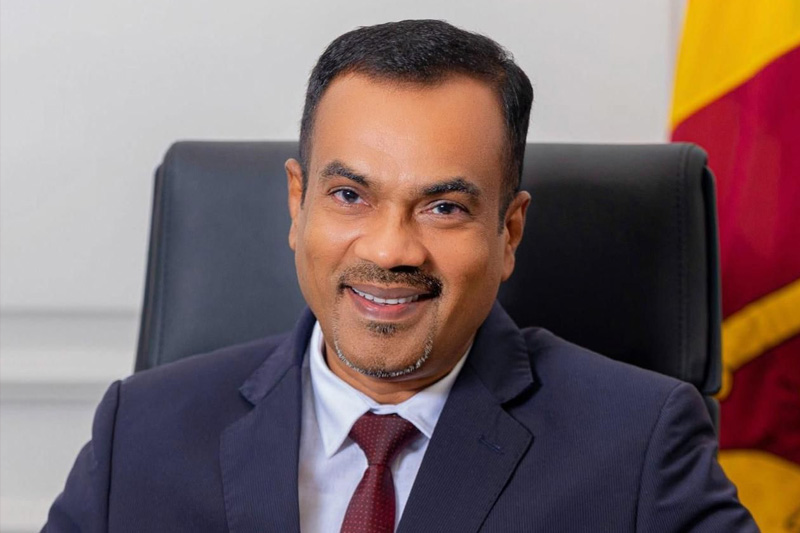
Finance and Planning Deputy Minister Dr. Anil Jayantha Fernando told Parliament that crypto currencies remain outside Sri Lanka’s regulated financial system. They are neither legal tender nor recognised as financial instruments or regulated assets, while the Central Bank has authorised neither exchanges, trading platforms nor mining operations.
However, despite repeated official warnings over the years, the Government has now acknowledged that an outright ban is neither practical nor desirable. Instead, it is quietly building a regulatory framework for businesses facilitating crypto transactions, primarily to satisfy international anti-money laundering obligations under Financial Action Task Force (FATF) recommendations.
The shift represents a significant policy evolution.
Until now, authorities largely relied on warnings, banking restrictions and foreign exchange controls to discourage crypto currency activity. Residents remain prohibited from using debit and credit cards for crypto purchases, while exchange control regulations continue to block overseas remittances for investments in digital assets.
Hitherto Parliament heard an important admission: peer-to-peer crypto currency trading continues outside the banking system and remains difficult to detect.
That acknowledgement exposes the central weakness of Sri Lanka’s existing approach. While formal financial institutions remain locked out of crypto transactions, thousands of investors can still buy and sell digital assets through decentralised networks beyond the reach of conventional banking oversight.

Instead of preventing crypto currency activity, existing restrictions may simply have driven it deeper underground.
The Government’s proposed solution is equally revealing. Rather than regulating crypto currencies directly, authorities intend first to identify virtual asset service providers before bringing them under anti-money laundering and counter-terrorism financing supervision through the Financial Intelligence Unit. Only later would a broader prudential regulatory framework emerge under the Securities and Exchange Commission.
The phased strategy reflects international best practice but also illustrates how far Sri Lanka still has to travel before comprehensive regulation becomes reality. Legislative amendments, Cabinet approval and institutional preparation all remain pending.
Meanwhile, investors continue operating in legal limbo.
Dr. Fernando repeatedly stressed that individuals engaging in crypto currency transactions do so entirely at their own risk without legal protection or regulatory safeguards. That warning may shield the Government from liability, but it offers little comfort to retail investors already participating in a rapidly expanding digital marketplace.
Equally notable was the Government’s clarification that crypto currency trading is “not recognised” rather than illegal. That subtle distinction could carry significant legal implications. It acknowledges the existence of crypto markets without conferring legitimacy upon them.
The Government appears determined to strike a delicate balance meeting international compliance obligations while avoiding any perception that it is endorsing crypto currencies. Whether such a middle path can successfully protect investors, combat financial crime and foster technological innovation remains one of Sri Lanka’s biggest regulatory tests.