




The government’s decision to reopen the historic Bogambara Prison as a functioning correctional facility has sparked fresh scrutiny over policy consistency, public spending and long-term planning after hundreds of millions of rupees were invested in transforming the colonial-era landmark into a flagship tourism destination.
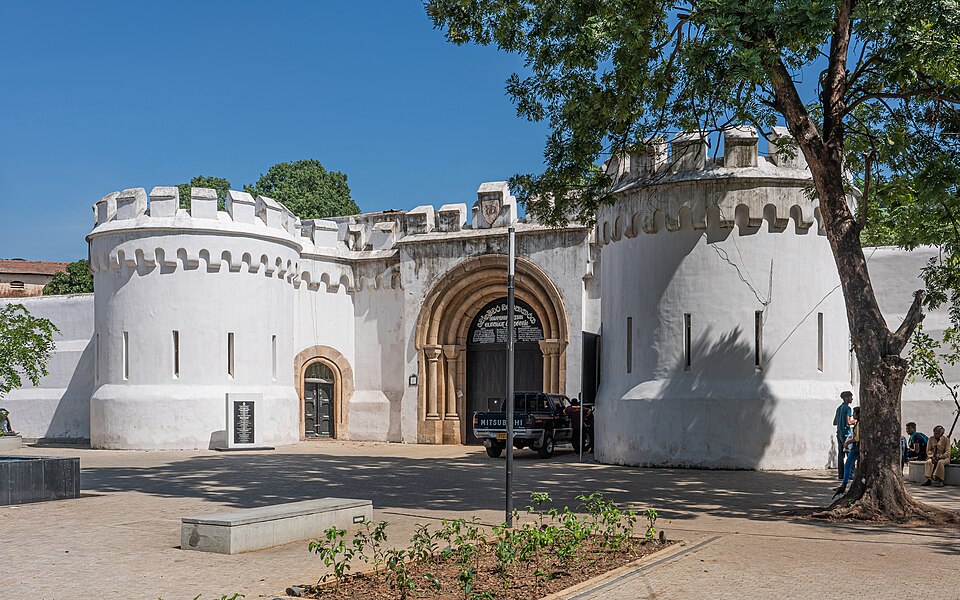
A gazette issued on July 8 formally restored the former maximum-security prison to active correctional use, reversing a decade-long redevelopment initiative that had reimagined the site as a cultural, commercial and heritage attraction. The move comes in the aftermath of the deadly Negombo Prison riot, which claimed 28 lives, including eight prison officers, prompting authorities to seek additional prison capacity.
The reversal marks a dramatic shift for a project once promoted as a cornerstone of Kandy’s urban regeneration strategy. After the prison’s closure in 2014, the Urban Development Authority (UDA) reopened the complex as the Bogambara Cultural Park in 2018, preserving its colonial architecture while converting former prison cells into retail outlets, restaurants, co-working spaces, boutique accommodation and public recreational spaces.
According to project estimates, the complete multi-phase Bogambara redevelopment carried a projected value of Rs. 18.5 billion. However, only a fraction of that amount was actually spent before the project stalled.
Officials estimate that approximately Rs. 125 million was spent developing the 1.5-acre external grounds, including the Bogambara Cultural Park, open-air theatre and landscaped public pathways. A further Rs. 750 million was approved and allocated through the national treasury to renovate internal prison buildings for commercial use, although that phase remained incomplete after failing to attract sufficient private investment.
The remaining multi-billion-rupee component of the master plan depended largely on private sector financing to build two five-star hotels within the historic prison complex. Those investments have now effectively been abandoned following the government’s decision to legally reclaim the property as a high-security detention facility through an extraordinary gazette.
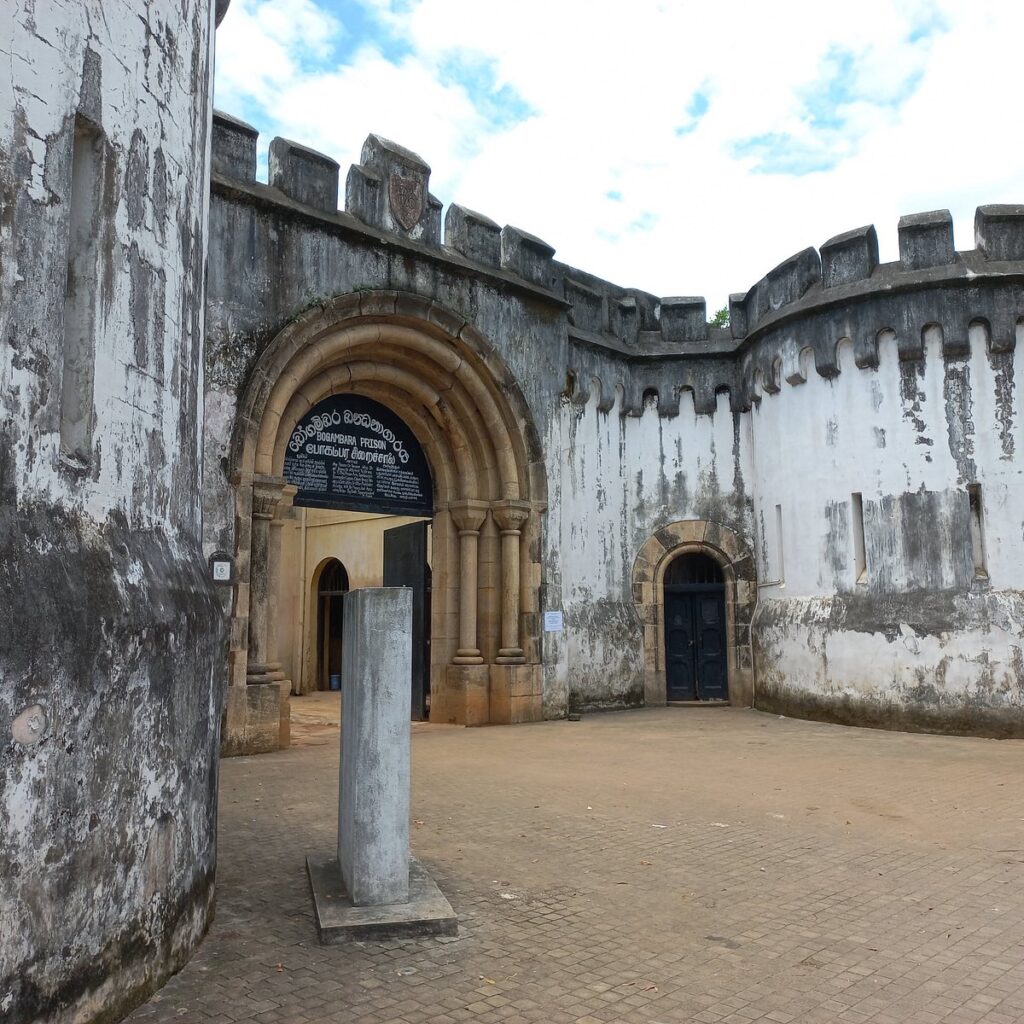
Despite significant refurbishment, much of the redeveloped property remained underutilized as private investors showed limited interest in the ambitious mixed-development proposal. Instead of welcoming tourists and businesses, the renovated buildings are now expected to accommodate inmates.
The decision has also reignited debate over the government’s broader response to Sri Lanka’s prison overcrowding crisis. Official figures indicate the country’s prisons currently house approximately 41,000 inmates despite having an official capacity of only around 10,500 to 11,000 prisoners, leaving the system operating at nearly three times its intended capacity.
Cabinet Spokesman and Minister Nalinda Jayatissa has attributed much of the recent surge in overcrowding to intensified nationwide anti-drug operations that have significantly increased arrests. However, legal experts argue the crisis extends well beyond law enforcement. Prolonged court delays, lengthy remand detention, shortages of government analysts required for forensic examinations and a growing backlog of criminal cases continue to keep thousands of suspects in custody for extended periods before trial.
Critics contend that reopening Bogambara may ease immediate pressure on the prison system but does little to resolve the structural weaknesses driving chronic overcrowding. They argue that without reforms to speed up court proceedings, expand non-custodial sentencing for minor offences and strengthen forensic capacity, the country’s prison crisis is likely to persist.
The policy reversal has also raised accountability questions over public expenditure. While substantial funds were allocated for redevelopment, no comprehensive public accounting has yet been released detailing how much was ultimately spent, what tourism infrastructure can still be repurposed and whether additional costs will now be required to convert the renovated complex back into a functioning prison. As Bogambara shifts once again from heritage attraction to correctional facility, the project has become a symbol of the competing pressures between public security needs and long-term development planning.