




Sri Lanka is taking its first concrete step toward regulating the country’s growing cryptocurrency sector by bringing virtual asset businesses under its anti-money laundering (AML) framework, a move officials say is essential to meet international financial standards before the country’s next global evaluation.
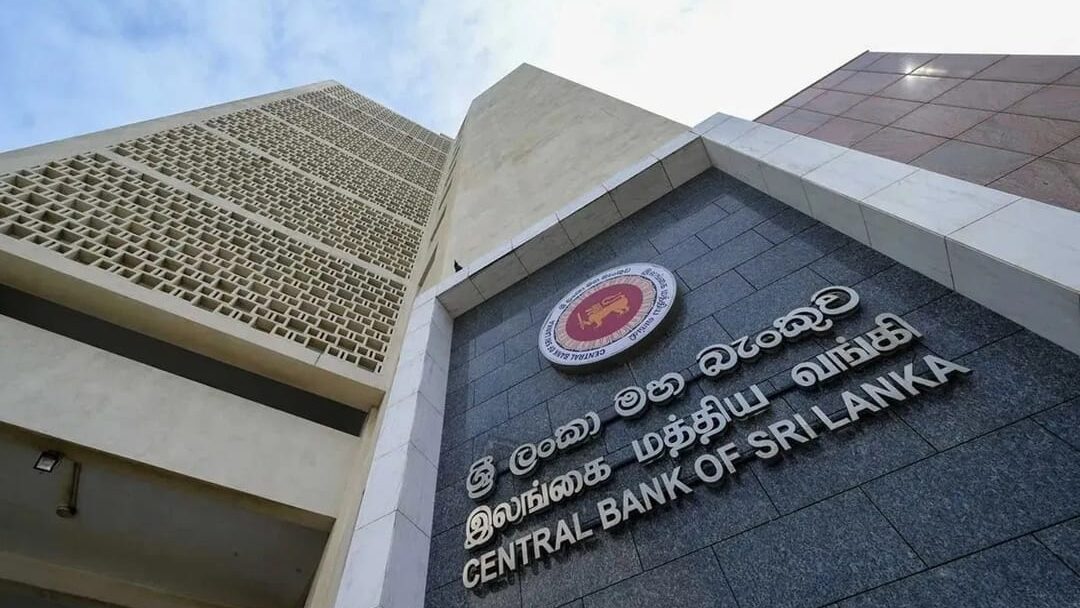
Senior officials from the Central Bank’s Financial Intelligence Unit (FIU), appearing before the Parliamentary Committee on Public Finance (CoPF), revealed that proposed amendments to the Financial Transactions Reporting Act (FTRA) will classify Virtual Asset Service Providers (VASPs) as reporting institutions. Once enacted, crypto exchanges and other digital asset businesses will be required to conduct customer due diligence, verify beneficial ownership, maintain transaction records, and report suspicious financial activities—obligations already imposed on banks and licensed financial institutions.
The proposed legislation represents Sri Lanka’s first attempt to formally address the risks posed by cryptocurrency transactions, which have so far operated without a dedicated regulatory framework. Authorities admitted that the absence of such oversight weakened Sri Lanka’s technical compliance with international anti-money laundering standards, particularly Recommendation 15 of the Financial Action Task Force (FATF), which was expanded in 2019 to include virtual assets and cryptocurrency service providers.
However, Central Bank officials clarified that the amendments are only an interim solution rather than a comprehensive regulatory regime. They disclosed that a broader initiative is already underway to establish a licensing and supervisory framework for cryptocurrency businesses. A subcommittee operating under the National Coordinating Committee on Anti-Money Laundering, chaired by the Deputy Minister of Digital Economy, has prepared a policy concept paper and is currently seeking Cabinet approval.
The proposed regulatory framework has been developed with input from representatives of 14 government institutions, including the Inland Revenue Department, reflecting growing concern over the financial and tax implications of digital assets.

Officials acknowledged that Sri Lanka currently lacks any authority empowered to license or supervise cryptocurrency service providers. Until such a mechanism is established, the AML amendments are intended to ensure that businesses operating in the sector are at least subject to internationally accepted anti-money laundering and counter-terrorist financing obligations.
Lawmakers on the CoPF questioned whether the Government’s approach was too narrowly focused on satisfying FATF requirements. Committee members argued that Sri Lanka also needs a broader national policy governing cryptocurrencies, including clear rules on taxation, licensing, investor protection, and legal recognition of digital assets.
Concerns were also raised that unregulated cryptocurrency transactions could become channels for tax evasion, illicit capital flows, and financial crime if left outside the formal financial system. Responding to these concerns, Central Bank officials said such policy decisions extend beyond the current legislative amendments and would ultimately require wider Government approval.
The proposed amendments form part of a broader package of reforms aimed at strengthening Sri Lanka’s anti-money laundering and counter-terrorist financing framework before the country’s third FATF mutual evaluation. The outcome of that assessment is expected to influence Sri Lanka’s international financial standing, making the regulation of virtual assets an increasingly urgent priority rather than a future policy option.