




A year-long bureaucratic impasse over the clearance of imported salt has left Sri Lanka facing an estimated foreign exchange loss exceeding US$100 million, while exposing serious weaknesses in the country’s import control regime, customs administration and trade policy.

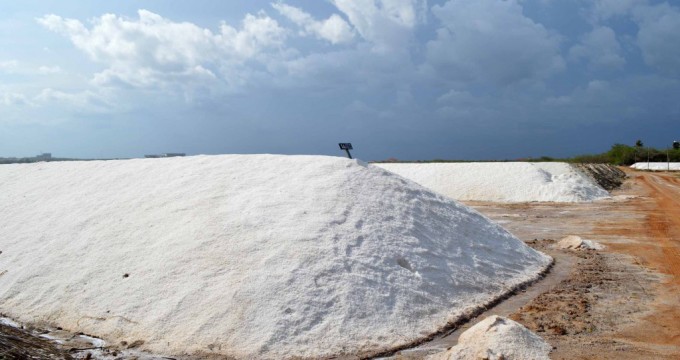
Approximately 50,000 metric tons of imported salt comprising nearly 42,000 metric tons packed in around 1,500 containers and another 10,000 metric tons in bulk cargo remain stranded at the Colombo Port despite being imported to address an acute domestic shortage. The prolonged delay has locked up scarce foreign exchange, generated millions of rupees in demurrage and storage charges, reduced product quality and intensified pressure on several industries dependent on salt as a key raw material.
The crisis began after continuous heavy rains between January and March 2025 devastated Sri Lanka’s major salterns in Hambantota, Elephant Pass and Puttalam, slashing domestic production by nearly 40 percent. The shortage pushed retail salt prices to nearly Rs. 400 per kilogram by May 2025, forcing the Government to temporarily lift long-standing import restrictions.
Through Extraordinary Gazette No. 2437/04 dated May 19, 2025, the Government exempted importers from obtaining Import Control Licences for specified salt consignments shipped on or before June 10, 2025. The Gazette also stipulated that cargo imported outside the permitted period would have to be re-exported at the importer’s expense, while empowering the Controller General of Imports and Exports, together with Customs and the Trade Ministry, to determine disputed cases.
However, adverse weather delayed vessels carrying salt from Gujarat, India, causing several shipments to arrive shortly after the June 10 deadline. Despite the exceptional circumstances, Sri Lanka Customs refused clearance, leaving between 10,000 and 28,000 metric tons of salt trapped at the port.
By late 2025, local salt producer associations had intensified lobbying efforts to reinstate the import ban, arguing that unrestricted imports would undermine the recovering domestic industry. Customs subsequently directed the cargo to be re-exported, but importers resisted, citing enormous financial losses and the impracticality of returning deteriorating cargo.
President of the Customs House Agents and Traders Association Mohamed Niyas Ahamed said the Government’s indecision had inflicted severe economic damage while undermining confidence in Sri Lanka’s regulatory framework.
“The country has effectively tied up more than US$100 million in foreign exchange while allowing imported essential commodities to deteriorate inside containers,” he said, adding that importers continue to bear escalating demurrage, storage and container detention charges.
The deadlock has also contributed to severe congestion at Colombo Port, where daily container arrivals reportedly surged from around 1,200 to more than 2,500 during the crisis. Food processing, fisheries and pharmaceutical manufacturers have also faced increased production costs due to shortages of industrial-grade non-iodized salt.
The dispute has reignited concerns over policy inconsistency, market distortions and the influence of competing commercial interests in essential commodity imports. It also prompted the Government to introduce the Import and Export (Control) Regulations No. 06 of 2026, imposing stricter timelines for goods imported under prepayment arrangements in an effort to prevent similar regulatory deadlocks. Whether those reforms restore confidence, however, may depend on how authorities ultimately resolve the costly salt saga.