




The National People’s Power (NPP) government came to power amid speculation that Sri Lanka’s foreign policy would lean more heavily towards China, largely due to the longstanding relationship between the Janatha Vimukthi Peramuna (JVP) and the Chinese Communist Party. However, more than 18 months into office, it is India that has emerged as Colombo’s closest diplomatic partner, with President Anura Kumara Dissanayake’s administration forging an increasingly strong rapport with New Delhi.
India’s interest in cultivating ties with the NPP became evident even before the September 2024 Presidential Election. In February 2024, then-presidential candidate Anura Kumara Dissanayake led an NPP delegation on an official visit to India at the invitation of the Narendra Modi government, an unusual move that elevated both Mr Dissanayake and the JVP-led alliance on the international stage.
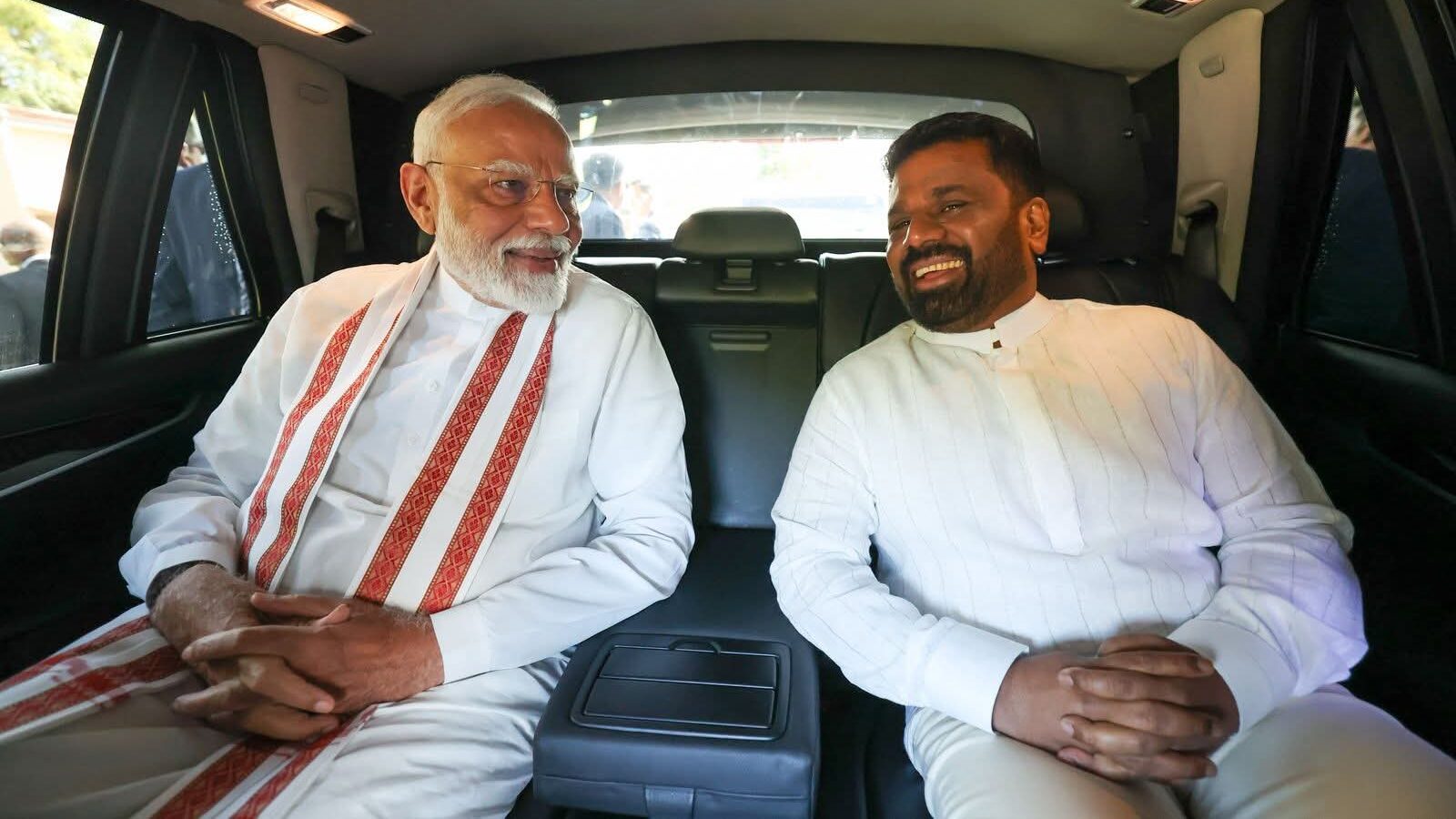
Since assuming office, President Dissanayake has maintained an active diplomatic exchange with India. His first overseas state visit was to India in December 2024, where he met Prime Minister Narendra Modi and senior Indian officials. Prime Minister Modi later visited Sri Lanka in April 2025, while Prime Minister Harini Amarasuriya made her first official overseas visit to India in October 2025. President Dissanayake returned to India in February this year to attend the AI Impact Summit in New Delhi and Indian Vice President C.P. Radhakrishnan visited Sri Lanka in April.
India has simultaneously sought to strengthen ties with the JVP itself. In February this year, a delegation led by JVP General Secretary Tilvin Silva visited India at the invitation of the Indian Council for Cultural Relations. It was Silva’s first-ever visit to India and included meetings with External Affairs Minister Subrahmanyam Jaishankar and Deputy National Security Advisor Pavan Kapoor.
The visit marked a significant shift in relations considering the JVP’s historical opposition to the Indo-Lanka Accord of 1987. Speaking to The Sunday Times after the visit, Silva said his party was “never against India” but opposed the governments of Rajiv Gandhi and J.R. Jayewardene and their political decisions at the time. He stressed that the political realities of both countries had changed over the past 38 years and that historical disagreements should not become obstacles to future relations.
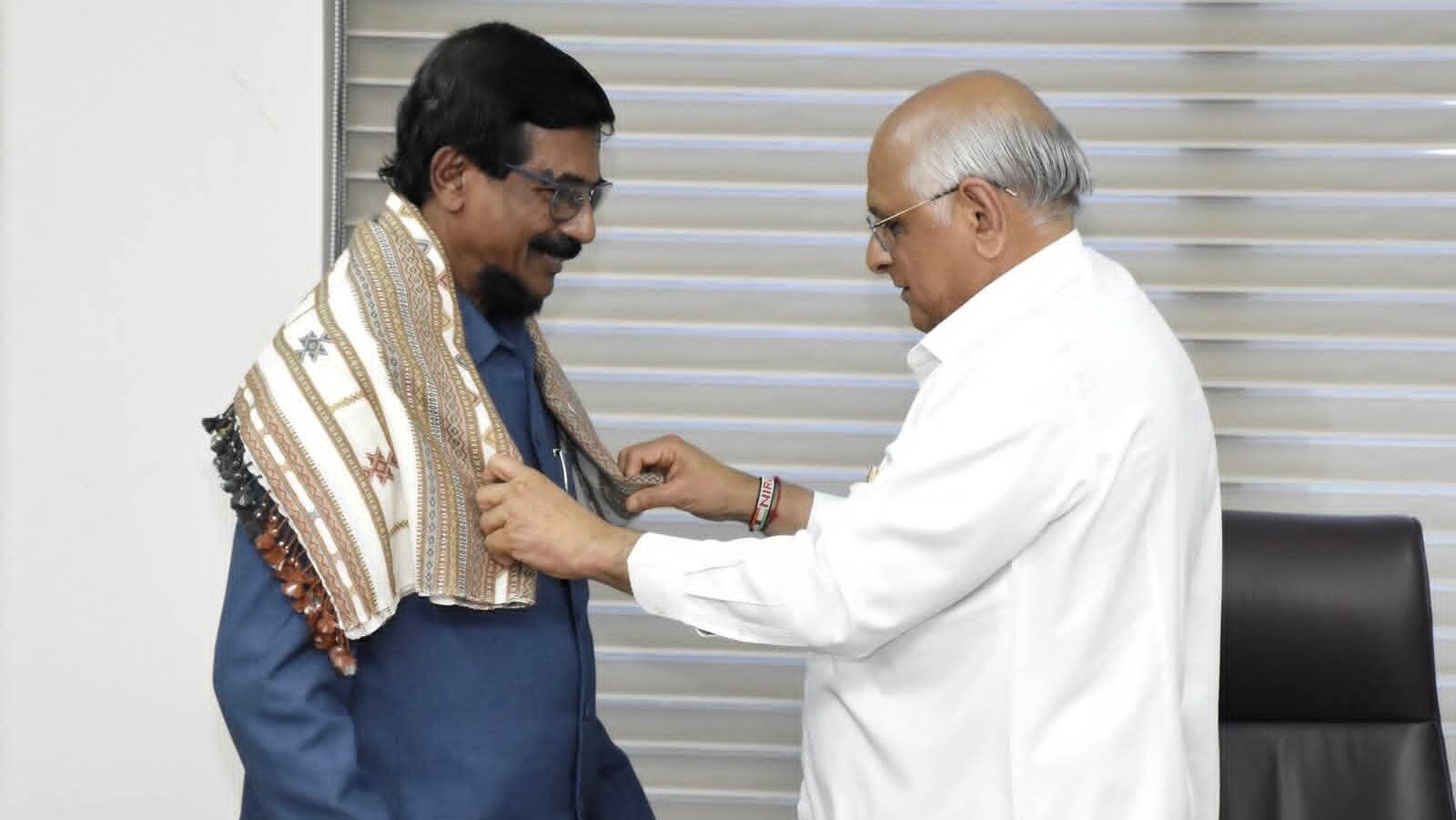
Beyond politics, India has increased its engagement through capacity-building initiatives. During President Dissanayake’s December 2024 visit to India, a Memorandum of Understanding was signed between India’s National Centre for Good Governance (NCGG) and the Sri Lanka Institute of Development Administration (SLIDA) to train 1,500 Sri Lankan civil servants over five years.
Earlier this month, the 10th programme under the agreement concluded with 39 officers completing specialised training in disaster management at the NCGG. According to the Indian High Commission, the curriculum included disaster management planning, risk assessment, mitigation strategies, early warning systems, climate adaptation, biodiversity conservation, and implementation of the Sendai Framework for Disaster Risk Reduction. With the latest programme, a total of 400 Sri Lankan officers have been trained under the MoU.
India has further expanded its training commitments after Prime Minister Modi pledged 700 customised training slots annually for Sri Lankan professionals during his April 2025 visit. Combined with existing programmes, India now aims to provide training opportunities for around 1,000 Sri Lankans each year across sectors, including the judiciary, auditing, health, energy, software, and agriculture.
Disaster preparedness has also emerged as a major area of cooperation following Cyclone Ditwah. During a visit to Sri Lanka in December last year, Indian External Affairs Minister Jaishankar announced a USD 450 million assistance package for post-cyclone rehabilitation and reconstruction. The package covers physical connectivity, health and education, housing and water, agriculture, and disaster preparedness and response.
India is also expected to assist Sri Lanka in establishing a nationwide disaster early warning and response system, with the Disaster Management Centre serving as the focal point. The proposed system would enable emergency alerts to be sent directly to mobile phones in affected areas, even without active internet or mobile data connections.
However, as relations have strengthened, New Delhi has become more vocal on issues where progress has been slow, particularly trade. Speaking at the Global Innovation & Leadership forum in Colombo last month, Indian High Commissioner Santosh Jha highlighted that the India-Sri Lanka Free Trade Agreement, in force since 2000, has benefited Sri Lanka significantly.
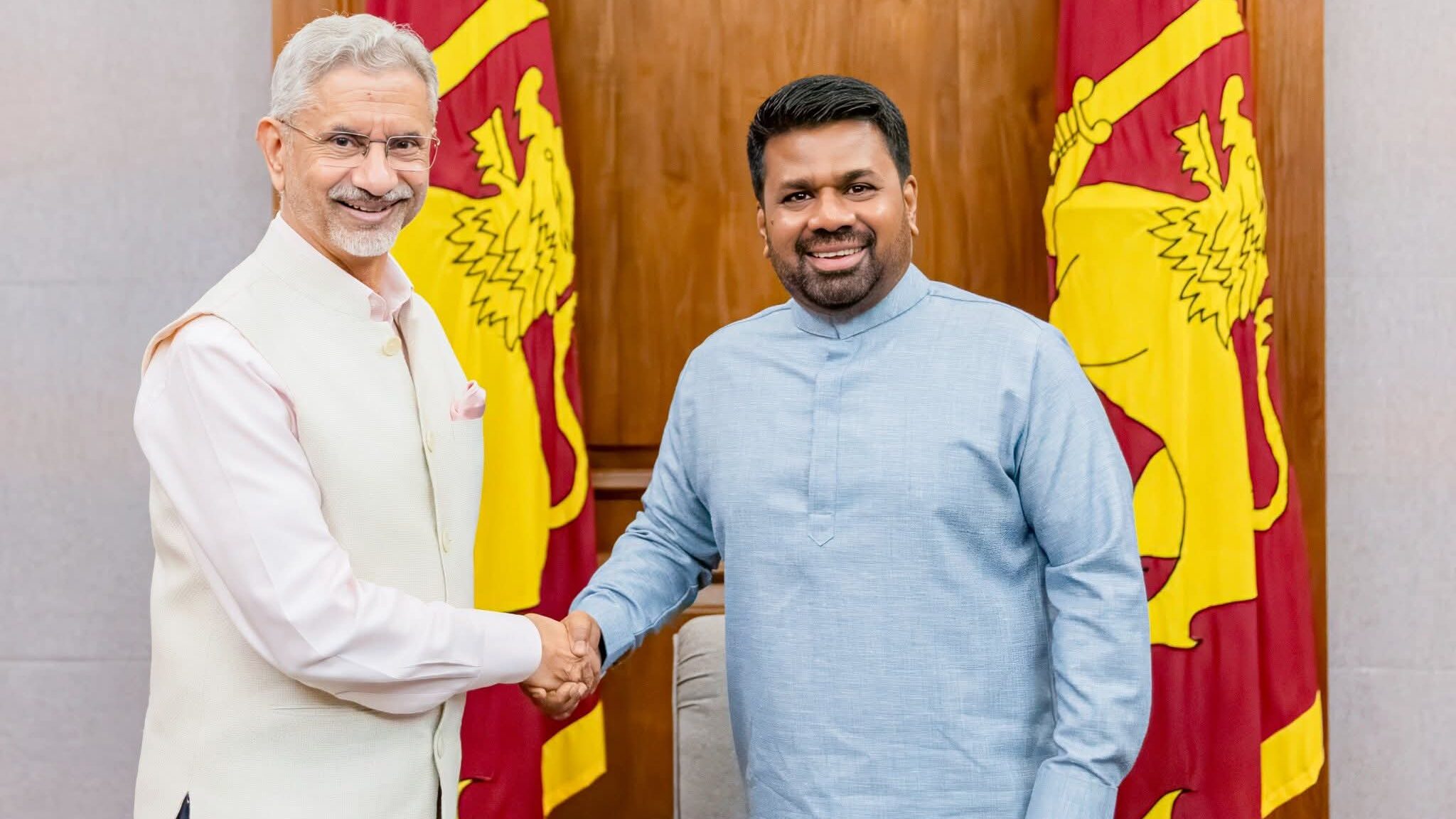
According to Jha, more than 65 percent of Sri Lankan exports utilise FTA benefits, while only five percent of Indian exports do the same. He noted that Sri Lanka has enjoyed a trade surplus with India when considering FTA-enabled trade and described India as Sri Lanka’s second-largest export market. Nevertheless, he stressed the need to modernise the agreement, saying the two countries had spent too long discussing reforms without demonstrating the political will to move forward.
His remarks come as a Cabinet-appointed committee continues to review Sri Lanka’s existing and proposed FTAs, including agreements with India, Thailand and Singapore. Government sources told The Sunday Times that decisions would be based on the committee’s recommendations, with assessments being conducted by both the Ministry of Trade and the Ministry of Finance.
India has also advocated stronger physical connectivity between the two countries. High Commissioner Jha recently described the absence of a connection between Rameswaram and Talaimannar as “an anomaly” and argued that a fixed link could transform the region’s economic geography. Despite these comments, there appears to be little appetite within the Dissanayake administration to pursue land connectivity at present.
Progress has, however, been recorded on the Trincomalee Energy Hub Project. In April 2025, Sri Lanka, India and the United Arab Emirates signed a trilateral agreement to develop Trincomalee as a strategic energy hub. The project includes plans for the development of the World War II-era oil tank farm, bunkering facilities and studies into the feasibility of an oil pipeline.
Government sources have maintained that Sri Lanka will not compromise its energy security and insist that any proposal for an oil pipeline must first undergo a feasibility study. While Indian officials have pointed to pipelines with countries such as Bangladesh and Nepal as successful examples, Sri Lankan officials have argued that such arrangements have also increased dependency on India for fuel supplies.
Meanwhile, Sri Lanka is exploring broader regional economic partnerships. Government sources said Colombo remains interested in joining the Regional Comprehensive Economic Partnership (RCEP), the world’s largest free trade agreement, despite India having withdrawn from negotiations earlier over concerns regarding cheap imports. Officials insist Sri Lanka will pursue agreements based solely on national interest.
At the same time, discussions continue on a Japan-backed trilateral industrial corridor involving Japan, India and Sri Lanka. The proposed initiative aims to attract Japanese investments to Sri Lanka, with industrial products manufactured locally and exported to India and beyond.
India is also promoting greater use of Indian Rupees and Sri Lankan Rupees in bilateral trade. This week, the Indian High Commission hosted a roundtable discussion titled “Rupee to Rupee: Strengthening the India-Sri Lanka Commercial Corridor,” where opening remarks were delivered by Central Bank Governor Nandalal Weerasinghe.
As Sri Lanka and India deepen cooperation across diplomacy, trade, energy and governance, the relationship is entering a new phase—one marked by expanding opportunities but also increasing scrutiny over how Colombo balances economic cooperation with strategic independence.
Source: The Sunday Times