




Regional Plantation Companies (RPCs) are positioning themselves for a significant return to oil palm cultivation, banking on an expected reversal of Sri Lanka’s seven-year ban on the crop. The push, emerging through industry discussions led by the Palm Oil Industry Association (POIA) and Watawala Plantations PLC, has reignited debate over the economic direction of the plantation sector and its dependence on traditional crops such as tea and rubber.
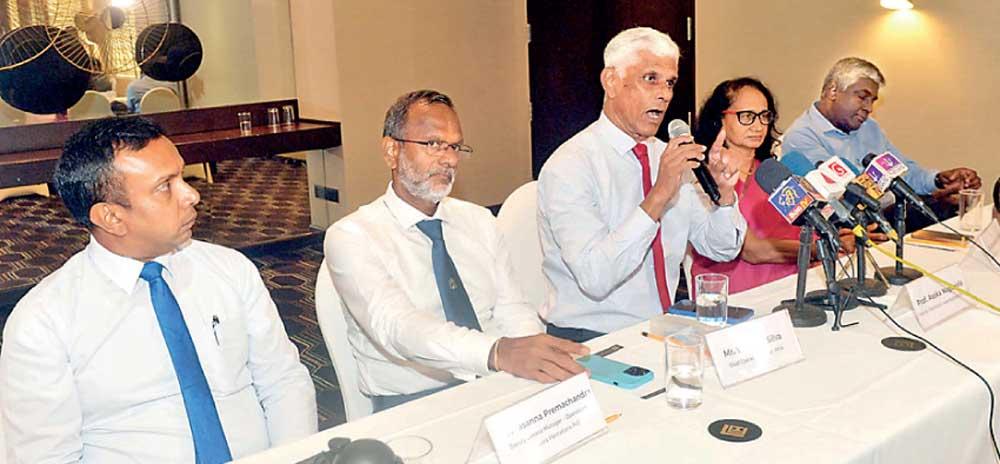
At the centre of the industry’s argument is the claim that oil palm represents one of the most financially efficient land-use options available in the country’s plantation economy. Prior to the 2019 ban, approximately 10,400 hectares were already under cultivation, with private companies reportedly investing around Rs. 500 million in expansion plans for an additional 8,000 hectares before policy restrictions halted further development.
Industry stakeholders argue that this suspended expansion has resulted in substantial economic losses. According to Lalan Rubbers Ltd. Director Prof. Asoka Nugawela, the foregone 8,000 hectares alone could have generated an estimated $35 million annually. He also highlights the crop’s strong per-hectare profitability, noting that oil palm can yield significantly higher net returns compared to rubber under similar conditions.
Beyond revenue, proponents point to labour economics as a key advantage. Oil palm plantation workers reportedly earn around Rs. 185,000 per month, considerably higher than wages in rubber and tea sectors. This wage differential is being cited as a potential driver for rural income growth, though critics argue it may also intensify labour migration between plantation sectors.
The Palm Oil Industry Association maintains that environmental and health objections underpinning the original ban have been scientifically reassessed. POIA Chief Operating Officer Yajith de Silva stated that a 13-member expert committee appointed by the Plantations Ministry found no evidence supporting the earlier concerns. The committee also concluded that there was a strong socio-economic case for lifting restrictions.
However, despite these findings being submitted to both Cabinet and Parliament, policymakers have reportedly indicated that public perception remains a major barrier. As a result, industry groups are now preparing awareness campaigns in collaboration with academic institutions and the Planters’ Association to address what they describe as widespread misconceptions.
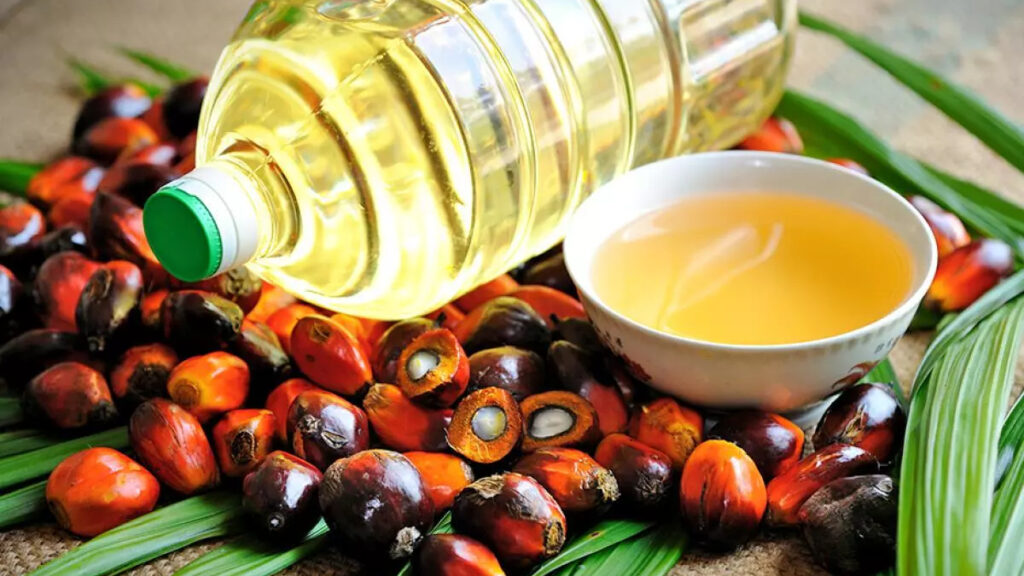
Globally, oil palm is recognised as the highest-yielding vegetable oil crop, producing up to five times more oil per hectare than alternatives such as coconut. In Sri Lanka, it is mainly suited to high rainfall zones including Galle, Kalutara, Kegalle, Ratnapura, and Matara. Industry data suggests yields of four to eight metric tons of oil per hectare annually, compared to roughly 0.8 metric tons from coconut.
As discussions intensify, the plantation sector now faces a broader question: whether oil palm expansion represents a necessary economic adjustment or a disruptive shift away from established plantation systems.
By a Special Correspondent