




Sri Lanka’s maritime sector is navigating a period of heightened global uncertainty, with the Sri Lanka Ports Authority moving to reassure stakeholders that operations remain stable despite rising fuel demand and shifting global supply chains.
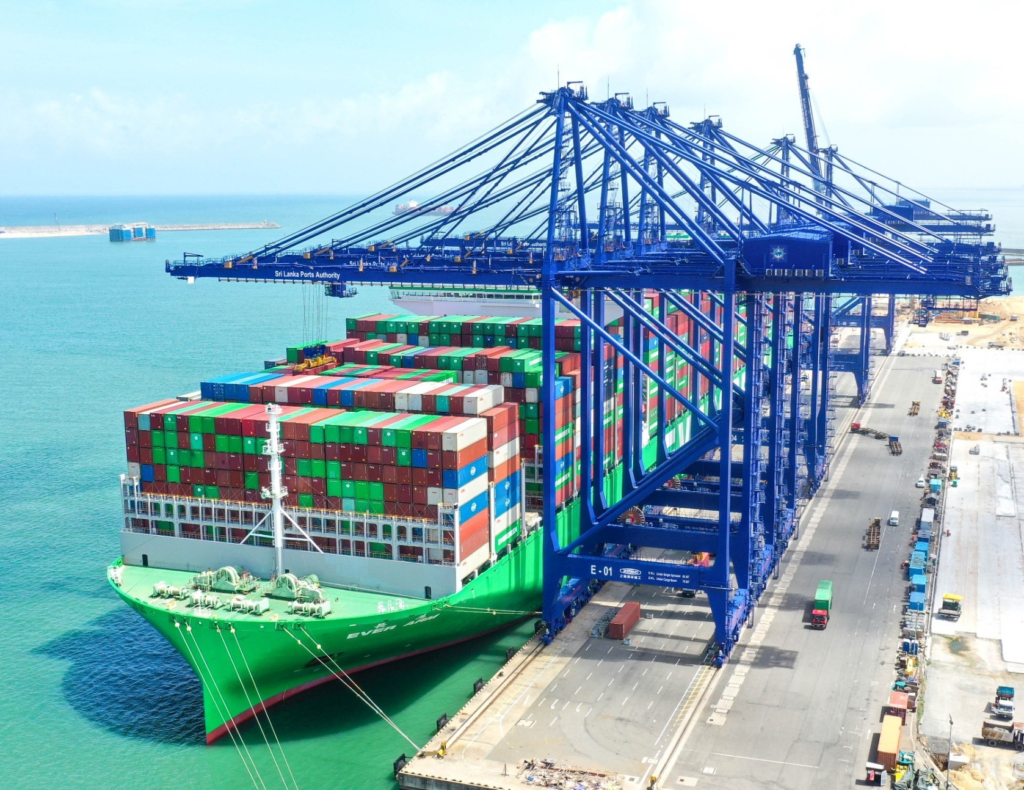
According to SLPA officials, monthly diesel consumption has surged from 1.5 million litres to 2.5 million litres, reflecting a sharp operational adjustment in response to geopolitical tensions in the Middle East.
Daily usage has similarly climbed from 26,000 litres to nearly 39,000 litres, driven by the continuous operation of tugboats, cranes, and transport vehicles essential to port logistics.
At the center of this assurance is the role of the Ceylon Petroleum Corporation, which, along with the Energy Ministry, has committed to maintaining uninterrupted fuel supplies. This support extends beyond machinery to include transportation for port workers an often-overlooked but critical component of maintaining 24-hour operations.
Despite these mounting pressures, performance indicators from the Port of Colombo suggest resilience. Container volumes have increased by 10–15% across terminals, signaling sustained throughput and the port’s continued relevance as a regional transshipment hub. This growth comes at a time when global shipping routes are being disrupted, with vessels rerouted and costs escalating.
However, beneath the surface, warning signs are emerging. While container traffic is up, domestic cargo inflows have shown a slight slowdown, indicating weakening internal demand. Export volumes, though stable, have not demonstrated significant growth pointing to stagnation rather than expansion.
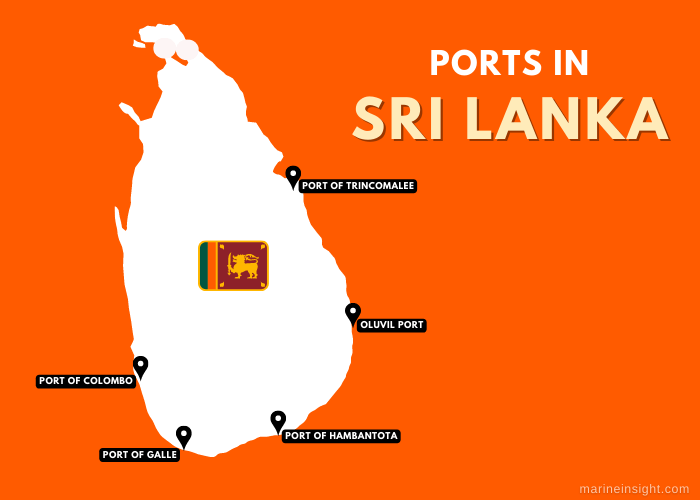
Regional ports such as the Port of Galle, Port of Trincomalee, and Port of Kankesanthurai appear less affected for now, with no additional fuel requirements reported. This suggests that current operational levels remain manageable outside Colombo, but it also highlights the uneven distribution of activity across the country’s port network.
The broader concern lies in sustainability. Increased fuel consumption directly translates into higher operational costs, which could eventually impact port competitiveness. In a region where efficiency and cost-effectiveness determine shipping preferences, even marginal increases can influence global shipping lines’ decisions.
Furthermore, the reliance on assured fuel supply exposes a structural vulnerability. Any disruption in supply chains or delays in procurement could quickly escalate into operational bottlenecks, affecting trade flows and economic stability.
Sri Lanka’s ports have demonstrated short-term resilience, but the current trajectory raises important questions about long-term efficiency and cost management. As global uncertainties persist, maintaining performance will require not just operational continuity, but strategic adaptation to an increasingly volatile maritime environment