




By a special correspondent
Sri Lanka’s Energy Ministry is facing growing scrutiny as corruption allegations against Energy Minister Kumara Jayakody intersect with a major coal procurement controversy that is now threatening the country’s electricity supply.
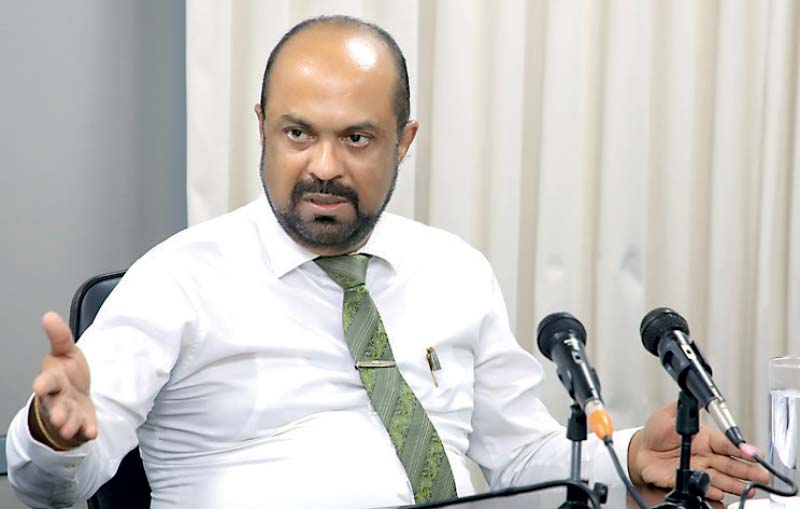
Two separate investigations one involving a past fertilizer procurement deal and the other related to coal imports for the Norochcholai power plant have placed the minister at the center of a political storm.
Fertilizer Tender Case Moves Toward Indictment
The Commission to Investigate Allegations of Bribery or Corruption (CIABOC) has moved to indict Jayakody over alleged financial misconduct during his tenure at the Ceylon Fertilizer Company.
Before entering Parliament, Jayakody served as Manager of Procurement and Imports at the fertilizer corporation and chaired its tender board.
Investigators allege that approximately Rs. 8 million was misappropriated in connection with a fertilizer procurement contract in 2015.
On March 1, 2026, CIABOC directed officials to prepare indictment papers to be filed in the Colombo High Court.
The bribery commission also rejected a request by Jayakody’s legal team for a personal hearing, allowing only written submissions before proceeding with the indictment.
If the charges move forward in court, Jayakody will become the first minister in the current National People’s Power administration to face corruption charges while in office.
Coal Tender Allegations Intensify
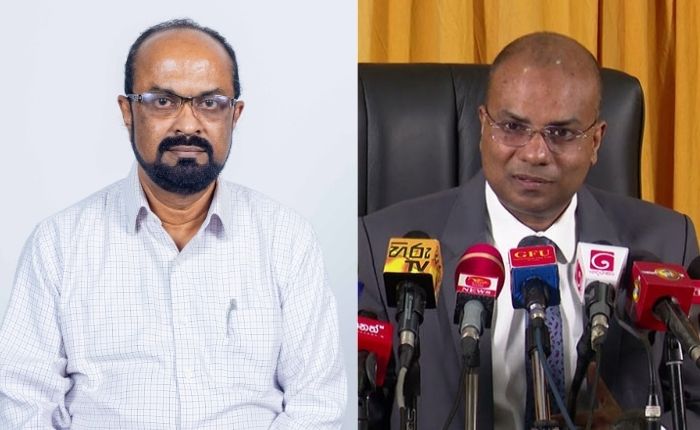
At the same time, the minister faces allegations of irregularities in a massive coal procurement tender involving the supply of 1.5 million metric tonnes for the Lakvijaya Power Plant in Norochcholai.
Opposition politicians claim the tender process was manipulated to benefit certain suppliers.
Among the allegations are claims that the standard 42-day tender period was shortened to 21 days, allegedly limiting competition and favoring selected bidders.
Opposition lawmakers have also alleged that commissions linked to the tender were deposited into a bank account belonging to a relative of the minister’s wife.
The allegations have not been proven in court, but they have intensified political pressure on the government.
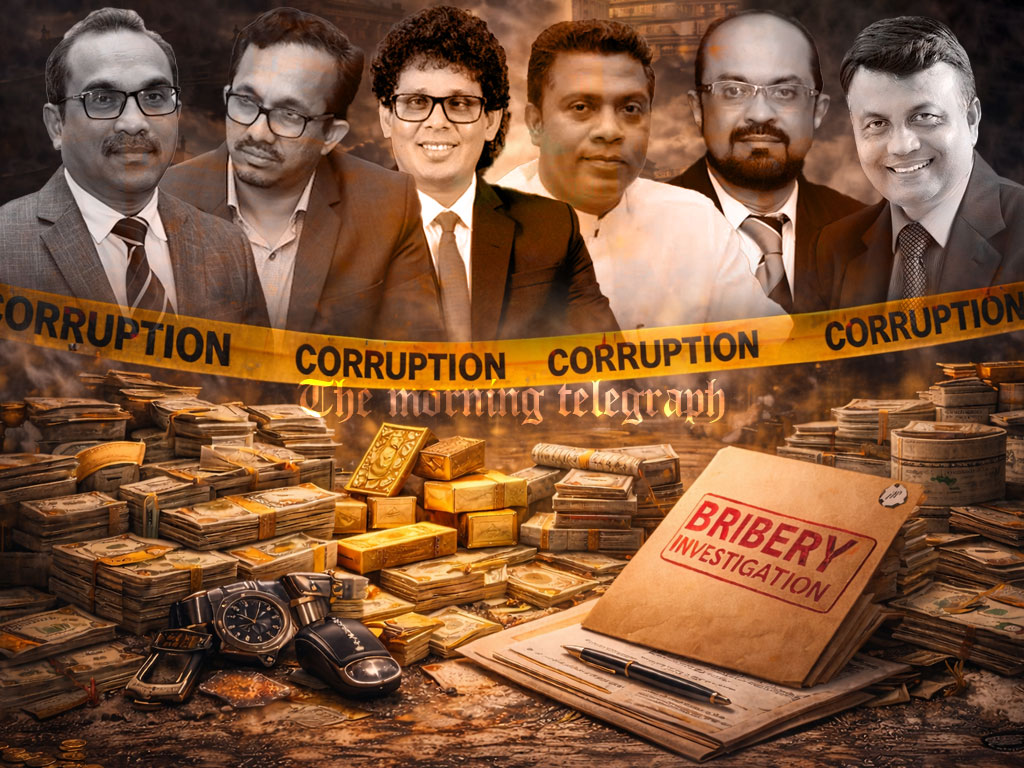
Substandard Coal and Power Crisis Concerns
The controversy deepened after reports emerged that the imported coal shipments were of lower quality than specified in the tender.
Initial shipments reportedly recorded calorific values between 5,520 and 5,800 kcal/kg—below the required 5,900 kcal/kg.
High ash content levels, reportedly reaching up to 22 percent, have also raised environmental and health concerns.
Energy experts warn that low-quality coal reduces electricity generation efficiency, increases fuel consumption, and accelerates equipment wear at thermal power plants.
These issues have already begun affecting operations at the Lakvijaya plant.
Government Response and Political Pressure
Minister Jayakody has strongly denied all allegations.
He maintains that the coal procurement followed guidelines introduced in 2023 and attracted a record number of bidders.
The minister also stated that penalties of about USD 2.79 million would be imposed on suppliers for quality deviations in the first shipment.
Despite these assurances, opposition leaders continue to demand his resignation, arguing that the combined fertilizer fraud case and coal tender controversy have eroded public confidence in the Energy Ministry.
Meanwhile, the government has authorized emergency coal imports to avoid disruptions to electricity generation.
For a country still recovering from economic and energy crises, analysts warn that procurement scandals affecting the power sector could have far-reaching consequences.
Electricity shortages would not only affect households but could also disrupt industries, tourism, and economic recovery placing Sri Lanka’s fragile stability at risk.