




Sri Lanka’s Rs. 18.36 billion coal procurement scandal has entered a decisive phase, with Parliamentarian and former Finance Minister Ravi Karunanayake demanding transparency over substandard coal imports, independent test results and the circumstances surrounding the Norochcholai power plant crisis. His intervention raises a critical question for public accountability: can billions of rupees in alleged losses be declared financially neutralised simply because the government has frozen supplier payments and seized a performance bond?
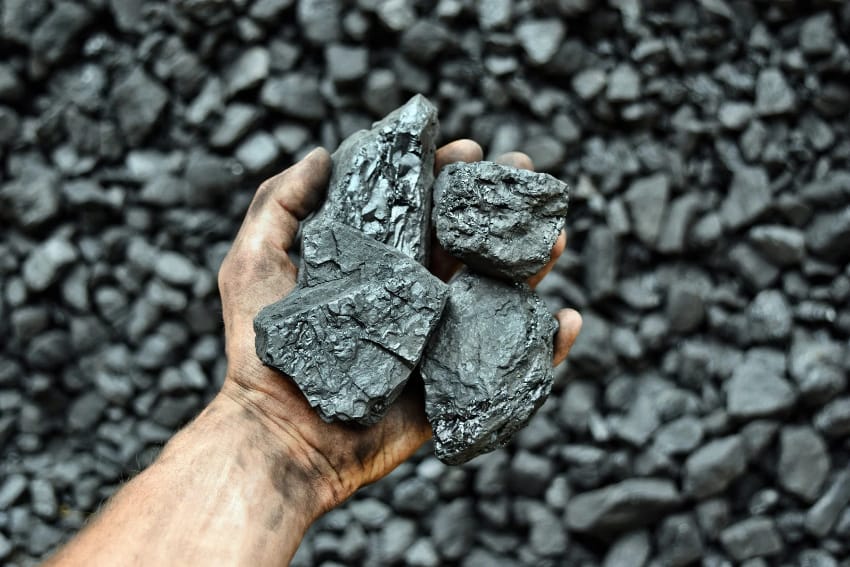
The controversy centres on nineteen coal shipments supplied by India’s Trident Chemphar Ltd. that reportedly failed to meet the required minimum calorific values. According to the findings cited in the available information, the inferior fuel forced the Lakvijaya coal power plant to consume greater quantities of coal while contributing to the need for expensive emergency thermal electricity purchases. The resulting damage to the state has been quantified at Rs. 18.36 billion.
The government has responded by retaining a US$15 million performance bond and withholding more than Rs. 9 billion in outstanding payments to the supplier. These measures may help recover money or protect the Treasury against contractual claims. However, they do not automatically establish that the entire loss has been recovered, nor do they settle questions about procurement decisions, regulatory failures or the officials responsible.
Karunanayake’s challenge strikes at the heart of this distinction. He has called for the immediate disclosure of independent coal-quality test results, warning that the public must be allowed to establish whether substandard fuel contributed to operational deterioration and failures at Norochcholai. Following a nationwide grid collapse, he also questioned whether shortcomings in electricity generation were at the root of the disruption.
His demand for an independent investigation, with publicly disclosed terms of reference, findings and strict deadlines, places pressure on the government to move beyond financial assurances and provide verifiable evidence.
The distinction between money withheld and losses recovered is fundamental. A performance bond is a contractual security mechanism, while withheld supplier payments represent amounts not yet disbursed. Whether these sums can legally be applied against particular losses depends on contractual terms, final assessments and any competing claims. They must therefore be accounted for transparently rather than simply presented as proof that the damage has disappeared.
The scandal has widened beyond the original supplier. Five additional emergency shipments sourced from Taranjot Resources Pvt Ltd reportedly generated a further loss exceeding Rs. 2 billion. The fifth shipment was rejected at the loading port after failing mandatory quality tests, preventing further exposure, although the wider financial consequences still require a clear accounting.
Meanwhile, the resignation of Energy Minister Kumara Jayakody and Ministry Secretary Professor Udayanga Hemapala has intensified demands for institutional accountability. The Presidential Commission of Inquiry into the Lanka Coal Company has had its mandate extended until mid-December 2026 to investigate questions surrounding the original contract, including allegations that mandatory Attorney General approval was absent and a laboratory licence had been revoked.
For Karunanayake, the central issue is whether the public receives the complete truth. The government must establish the actual loss, the amount legally recoverable, the costs already incurred and the individuals or institutions responsible. Until independently verified figures and findings are disclosed, claims that the financial damage has been offset cannot substitute for accountability.
The ultimate test is not whether the Treasury has frozen money, but whether Sri Lanka can demonstrate that public funds were protected, contractual obligations enforced and those responsible for any wrongdoing held answerable.