




''The X-Press Pearl compensation saga has entered a far more serious phase, with Sri Lanka confronting not only the enormous challenge of recovering a court-ordered payment but also allegations over the conduct of subsequent Supreme Court proceedings."
The latest development came in September 2026, when the Medical and Civil Rights Professional Association of Doctors lodged a complaint with the Commission to Investigate Allegations of Bribery or Corruption against three Supreme Court judges.
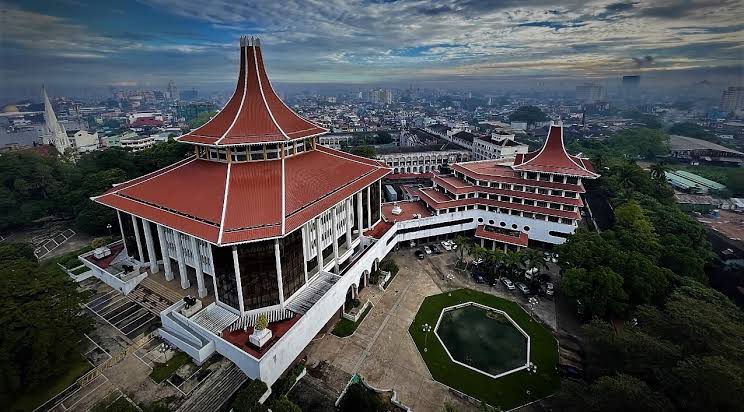
The complaint alleges that proceedings concerning enforcement of the compensation order contributed to approximately US$999 million remaining unrecovered from an amount approaching US$1 billion. These are allegations contained in the complaint and have not been independently established. No finding of wrongdoing has been made against the judges.
According to the complaint, the Supreme Court’s July 2025 judgment required an initial US$250 million payment by September 2025. However, only approximately US$1 million was subsequently paid. Petitioners then sought action concerning alleged non-compliance, before the matter was considered by a three-member bench in January 2026.
The complaint raises questions about the composition of that later bench and alleges that Justice Yasantha Kodagoda, who had been associated with the original proceedings, was excluded without a lawful explanation. It also challenges the January 26 proceedings and their consequences for the compensation recovery process.
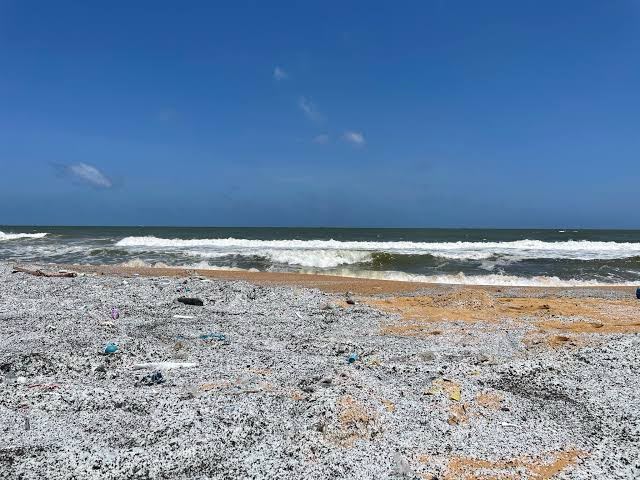
The controversy becomes even more significant when examined alongside the institutional mechanism created by the Supreme Court to manage compensation.
The Court appointed retired Supreme Court Justice E.A.G.R. Amarasekera as Chairman of the Compensation Commission. The mechanism involved the Marine Environment Protection Authority, Coast Conservation Authority, relevant ministries, Attorney General’s Department and independent specialists covering marine and coastal environments, fisheries, marine biology and environmental law.
Its responsibilities were extensive. The Commission was expected to determine the actual environmental damage, identify affected victims, quantify losses and establish compensation. Payments were ultimately to be made through the Secretary to the Treasury, while transparency, accountability and auditing by the Auditor General were built into the framework.
That institutional architecture makes questions surrounding money already received particularly important.
Environmental activist Dr Ajantha Perera has alleged that MEPA received funds directly from the shipping company and its insurer for purposes including plastic-pellet collection. Fishermen, meanwhile, have complained that funds allegedly intended for them were not received.
The Supreme Court record also indicates that fisheries compensation had already been paid before the 2025 judgment, with Rs.3.07 billion recorded as received for direct and indirect fisheries claims.
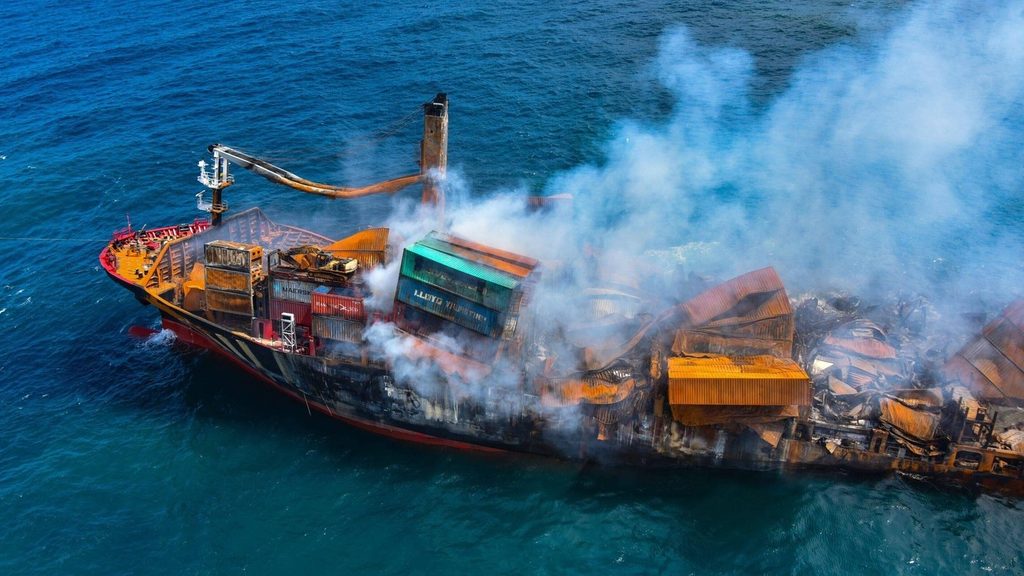
This creates a three-dimensional accountability problem: recovery of the nearly US$1 billion court-ordered compensation; reconciliation of funds already received; and scrutiny of institutional dealings involving the polluter and insurers.
The central question is therefore no longer simply how much compensation Sri Lanka can recover. It is whether every dollar and rupee connected with the environmental catastrophe can be traced, reconciled and publicly accounted for.
Until the Treasury, MEPA, Attorney General’s Department and relevant legal authorities provide a complete accounting, the X-Press Pearl saga risks becoming a lasting test of Sri Lanka’s judicial, financial and institutional transparency.