




By a special correspondent
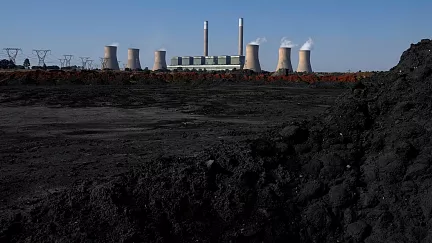
Sri Lanka’s energy sector is facing one of its most serious procurement crises in recent years, following confirmation that substandard coal imports have caused an estimated Rs. 7.67 billion loss to the state. The Ceylon Electricity Board (CEB) has officially reported that eight consignments supplied to the Norochcholai Lakvijaya Power Plant failed to meet required calorific value standards, undermining power generation and increasing operational costs.
Laboratory tests confirmed that the coal shipments did not deliver the contracted energy output. Opposition MPs now claim a ninth consignment may also be substandard, potentially widening the financial impact.
Power Output Falls, Costs Surge
The immediate operational impact has been measurable. Electricity generation at Norochcholai dropped from its standard 810MW capacity to between 750MW and 790MW. To compensate, authorities turned to thermal oil plants, where generation costs average Rs. 60 per unit more than double coal’s Rs. 26 per unit. The price differential has significantly inflated production expenses.
The CEB estimates the direct financial loss at Rs. 7.67 billion, reflecting the cost of replacing coal-generated electricity with more expensive alternatives. However, consumer groups and opposition figures argue that cumulative losses including machinery stress, efficiency degradation, and opportunity costs could push the total beyond Rs. 8 billion.
These mounting costs are to reach consumers. The CEB has requested a 13.56% electricity tariff increase for the second quarter of 2026 to offset the financial strain.
Government Response and Investigations
The government acknowledges the coal quality failures but firmly denies fraud in the tendering process. Officials maintain that procurement guidelines were followed and emphasize that contractual safeguards are being enforced.
The Lanka Coal Company has reportedly imposed supplier penalties totaling approximately USD 4.35 million (over Rs. 1.2 billion). Meanwhile, a technically skilled committee has been appointed to investigate the procurement lapses.
Simultaneously, the Commission to Investigate Allegations of Bribery or Corruption (CIABOC) has received formal complaints from opposition legislators demanding a deeper probe into possible negligence or misconduct.
Critics argue that even if penalties are recovered, the broader economic damage—including public confidence cannot easily be quantified. With tariff hikes looming and public frustration rising, the coal controversy has rapidly evolved from a technical procurement issue into a political flashpoint.