




Sri Lanka’s Inland Revenue Department (IRD) has crossed a historic milestone by collecting more than Rs. 1 trillion in tax revenue by May 18, 2026. The Government has celebrated the achievement as proof that the country’s post-crisis recovery strategy is succeeding. Yet behind the glowing statistics lies growing public anger over what critics describe as an aggressive and unforgiving tax regime that has pushed ordinary citizens and businesses “from the frying pan into the fire.”
The unprecedented rise in revenue follows sweeping tax reforms introduced after the 2022 economic collapse, when Sri Lanka struggled with depleted foreign reserves, debt defaults, and soaring inflation. Under pressure to rebuild state finances and satisfy conditions linked to the International Monetary Fund (IMF) recovery programme, authorities tightened tax collection mechanisms and expanded enforcement powers.
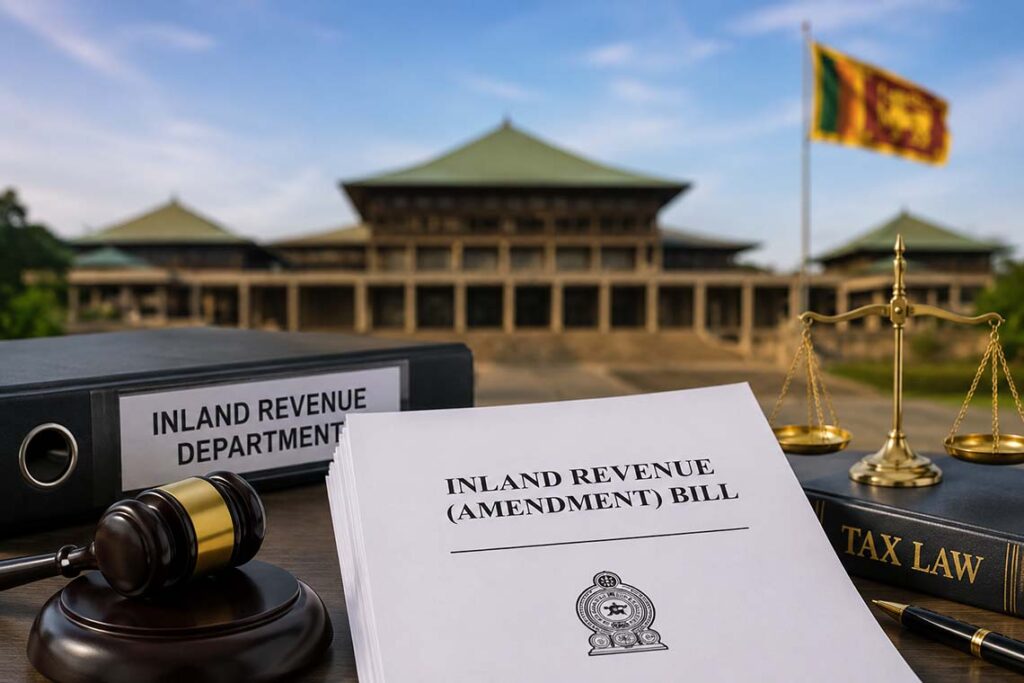
The centrepiece of this effort was the Inland Revenue (Amendment) Bill 2026, passed in Parliament amid fierce political opposition. Government leaders defended the law as essential for fiscal stability, while opponents condemned it as “draconian,” arguing that it criminalised struggling taxpayers instead of supporting economic recovery.
One of the most controversial features of the amendment is Clause 34, which introduces Section 185A. The provision empowers authorities to prosecute individuals who fail to register for a Tax Identification Number (TIN), neglect to file annual returns, ignore information requests, or fail to appear before tax officials when summoned.
Those found guilty may face fines reaching Rs. 400,000, imprisonment for up to six months, or both. Legal experts and business groups warned that the measures effectively transform administrative tax disputes into criminal matters, creating fear among professionals, entrepreneurs, and small business owners already burdened by rising living costs.
Public criticism intensified over concerns that the IRD would gain unchecked authority to initiate prosecutions. However, the Supreme Court intervened and introduced safeguards before the bill became law. Under the revised framework, the IRD must first issue a formal warning notice and allow taxpayers 30 days to comply before criminal proceedings can begin. The court also ruled that tax recovery action through Magistrate’s Courts cannot proceed while appeals or administrative reviews remain pending.
Despite these protections, many taxpayers argue that the new system prioritises punishment over fairness. Several trade associations claim the Government’s aggressive revenue targets have encouraged excessive pressure on businesses and salaried workers who are already struggling with high utility costs, inflation, and reduced consumer demand.

Nevertheless, IRD Commissioner General Rukdevi P. H. Fernando hailed the Rs. 1 trillion achievement as a major step toward strengthening financial stability and maintaining public services. She credited both individual and corporate taxpayers for improving compliance and helping the State rebuild revenue streams weakened during the economic crisis.
Economists acknowledge that stronger revenue mobilisation was unavoidable after years of weak tax administration and unsustainable borrowing. However, they also caution that overreliance on punitive enforcement could discourage investment, weaken private sector confidence, and deepen frustration among middle-income earners.
As Sri Lanka continues its IMF-backed recovery programme, the Government now faces a difficult balancing act: maintaining fiscal discipline while convincing citizens that tax reform is being pursued with fairness rather than fear.
By a Special Correspondent