




Sri Lanka’s food processing industry is once again under severe pressure as rising production costs, rupee depreciation, and delays in policy implementation threaten to trigger another wave of retail food inflation across the country.
Industry representatives warn that processed food prices may soon become unaffordable for ordinary consumers unless the Government urgently intervenes with targeted relief measures. Manufacturers say the crisis has deepened over recent months due to surging electricity tariffs, anticipated fuel hikes, import-related shortages, and growing instability in supply chains.
The Food Processing Association (FPA) says the sector is facing unprecedented operational strain, particularly because many raw materials used in food manufacturing and packaging are imported or petroleum-based. According to FPA President Aruna Senanayaka, shortages involving even a single packaging component can halt entire production processes.
“Three-layer packaging materials depend on several imported inputs. If one material is unavailable, the entire manufacturing line is disrupted,” he said, adding that food processors are now struggling with escalating costs in storage, refrigeration, transportation, and packaging.
The industry has requested urgent concessions from the Industry Ministry, including fuel subsidies, electricity tariff reductions, and tax relief on imported materials. Manufacturers argue that without immediate support, companies will have no option but to pass additional costs directly onto consumers.

The latest electricity tariff revisions have intensified those concerns. The Public Utilities Commission approved an 18% electricity tariff hike in May 2026 affecting industrial users, hotels, and high-consumption categories. Food manufacturers say energy-intensive operations such as cold storage, dehydration, milling, and packaging have become significantly more expensive overnight.
Sri Lanka’s manufacturing sector contributed 25.4% to GDP in 2025, while the economy recorded overall growth of 5%. However, industry stakeholders argue that macroeconomic recovery figures fail to reflect the mounting financial distress inside domestic manufacturing industries.
Export-oriented food businesses are also under pressure. Sri Lanka’s export earnings reached US$17.2 billion in 2025, with processed agricultural products, coconut-based products, and food exports playing a growing role in foreign exchange generation. Yet exporters now face higher input costs due to rupee depreciation and expensive imports, weakening competitiveness against regional producers.
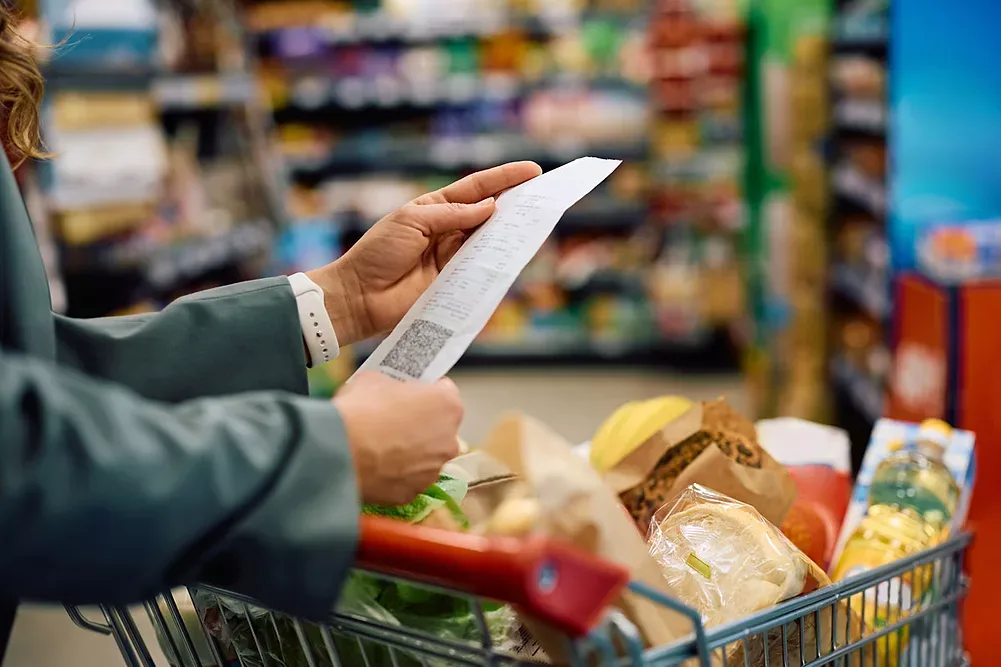
Economic uncertainty has worsened following renewed depreciation of the Sri Lankan rupee in May 2026. Online discussions among businesses and consumers reveal growing concern over the weakening currency, rising import costs, and fears of another inflationary cycle.
Industry analysts also point to delays in implementing promised economic reforms under the National People’s Power (NPP) administration. While the Government has pledged support for domestic industries and production-based growth, manufacturers claim practical relief measures remain slow and bureaucratic.
The food processing sector remains one of Sri Lanka’s largest value-added industries, linking agriculture, manufacturing, retail, transport, and exports. Economists warn that prolonged instability in the sector could eventually impact employment, export growth, and national food security.
With fuel prices expected to rise further and import-related pressures intensifying, food manufacturers say the coming months could determine whether the industry stabilises or slips into another prolonged crisis.
By a Special Correspondent