




By a special correspondent
The Sri Lankan government’s 2026 Governance Action Plan lays out an ambitious schedule of reforms, closely aligned with targets under the International Monetary Fund programme. While the roadmap reflects a commitment to fiscal discipline and institutional strengthening, it simultaneously exposes a lack of policy originality within the National People’s Power administration led by the Janatha Vimukthi Peramuna.
On the positive side, the plan introduces a series of governance improvements designed to enhance transparency and efficiency. The Public Procurement Bill, expected to be operational by August 2026, promises to streamline procurement processes and reduce corruption risks. Complementing this, the continued disclosure of large-scale contracts and tax exemptions marks a step toward greater public accountability.
SOE reform is another critical pillar. By establishing a holding company and consolidating state enterprises, the government aims to improve financial performance and reduce fiscal drain. If executed effectively, this could address one of Sri Lanka’s most persistent economic vulnerabilities.

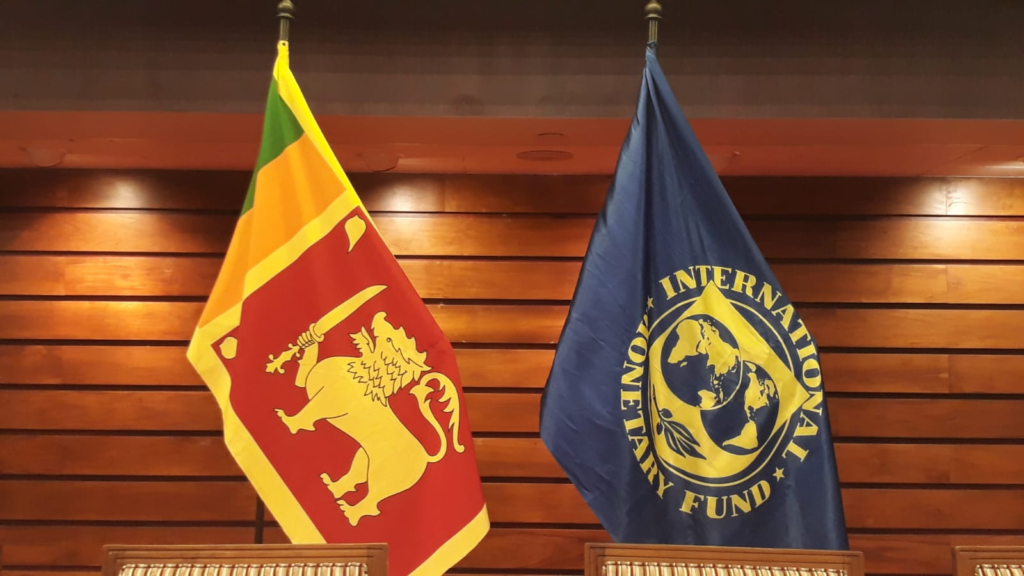
NPP and IMF Align on Fundamental Issues – Echelon
The plan also includes forward-looking measures such as a beneficial ownership registry, expected by September 2026. This initiative could significantly improve corporate transparency and align Sri Lanka with global anti-money laundering standards. Similarly, the rollout of a Proceeds of Crime Management Authority strengthens the legal framework for asset recovery and financial oversight.
Digital transformation efforts, including e-procurement and land registry systems, offer long-term benefits by modernising public administration. Judicial reforms, particularly the expansion of commercial courts, could enhance the business environment by reducing legal bottlenecks.
Despite these advantages, the plan’s shortcomings are notable. Its near-total alignment with IMF technical prescriptions suggests a reactive rather than proactive policy stance. The absence of innovative economic strategies particularly in areas such as industrial development, export diversification, or social protection raises questions about the government’s broader vision.
Moreover, several reforms are heavily procedural, focusing on legislation and institutional restructuring without addressing underlying capacity constraints. For example, decentralising the Commission to Investigate Allegations of Bribery or Corruption may improve access, but without adequate resources and independence, its impact could be limited.
Timelines also present challenges. While many reforms are scheduled within 2026, key digital initiatives extend well beyond, potentially delaying tangible benefits. This phased approach, though realistic, may dilute momentum and public confidence.
Another concern is the lack of stakeholder-driven innovation. The plan outlines awareness and compliance measures but offers little indication of participatory policymaking or integration of local expertise. This reinforces the perception that the reforms are externally guided rather than domestically inspired.
Ultimately, the 2026 Governance Action Plan represents a double-edged sword. It strengthens institutional frameworks and aligns Sri Lanka with international standards, which is essential for economic recovery. However, its reliance on IMF-driven templates highlights a critical gap: the need for creative, context-specific policies that go beyond compliance to genuinely transform the country’s economic and governance landscape.