




Sri Lanka’s fragile fuel supply chain is facing renewed scrutiny as uncertainty looms over two expected oil shipments totaling 90,000 metric tonnes, raising concerns about the country’s ability to sustain operations beyond the coming weeks. While authorities insist that current reserves will last until late April, the lack of firm confirmation on incoming crude deliveries has intensified anxiety within both the government and the public.
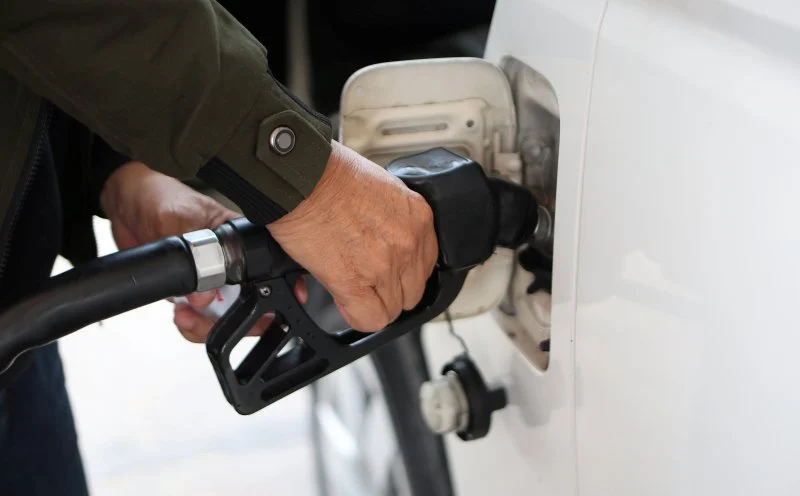
Officials have acknowledged that fuel availability calculations are based not only on existing stocks but also on shipments scheduled for March. However, the unpredictable global climate and logistical vulnerabilities have cast doubt on whether these shipments will arrive on time. Energy authorities warn that without immediate finalization of pending deliveries, Sri Lanka may face another supply crunch similar to previous crises.
Owners of vehicles will be allowed to purchase fuel under an odd–even number plate system from today (19), according to the Managing Director of the Ceylon Petroleum Corporation (CPC), Dr. Mayura Neththikumarage.
The CPC Managing Director noted that from tomorrow, fuel sales for vehicles will be carried out strictly on a rotating system based on odd and even numbers.
Under the system, the last digit of the vehicles with zero and even-numbered number plates will be allowed to purchase fuel on even-numbered dates.
Owners of vehicles with odd-numbered license plates will be permitted to purchase fuel on odd-numbered dates, Mayura Neththikumarage noted.
Accordingly, vehicles with number plates ending in 0, 2, 4, 6, and 8 will receive fuel on even-numbered days while vehicles with number plates ending in 1, 3, 5, 7, and 9 will receive fuel on odd-numbered days.
Due to the ongoing conflict in the Middle East, fuel supply routes are being disrupted on a daily basis, and fuel demand within the country is rising abnormally, the CPC noted. As a result, it has become necessary to conserve the available fuel reserves in the country.
At present, daily consumption figures remain high, with diesel usage at approximately 4,800 metric tonnes and petrol at just over 4,000 metric tonnes. In response, the government has leaned heavily on its QR code-based fuel rationing system, which aims to reduce national fuel consumption by 20%. The system restricts weekly quotas and resets every Sunday, theoretically allowing authorities to better manage limited supplies.
Despite these measures, questions remain about whether consumption control alone can offset supply uncertainties. Experts note that rationing systems are only effective if supported by consistent inflows of fuel. Without that, even the most sophisticated controls may merely delay shortages rather than prevent them.
Authorities have also tightened enforcement, warning fuel stations against distributing fuel outside the regulated system. Legal action, including license suspension, has been threatened against violators. Meanwhile, police have been deployed to ensure orderly distribution and prevent queue-jumping, which officials fear could trigger public unrest.
The broader concern lies in the country’s continued dependence on imported fuel amid volatile global conditions. While officials emphasize preparedness and “necessary sacrifices,” the margin for error remains slim. Any disruption to expected shipments could quickly unravel the current balance.
Ultimately, Sri Lanka’s fuel crisis appears to be entering a critical phase not due to immediate shortages, but because of uncertainty. Without guaranteed shipments, the system rests on assumptions rather than assurances, leaving the nation exposed to sudden disruptions.