




(A Special Legal Analysis)
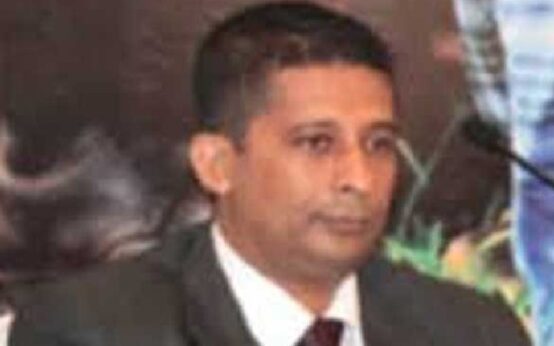
Major General (Retired) Tuan Suresh Sallay, the former head of the State Intelligence Service (SIS) during the Gotabaya Rajapaksa administration, was recently arrested by the Criminal Investigation Department (CID). Currently held under a 90-day detention order pursuant to the Prevention of Terrorism Act (PTA), the legality of his arrest is now facing intense scrutiny. A panel of senior legal counsels has decided to challenge this move before the superior courts, setting the stage for a significant legal battle.
The following is a special analytical breakdown of the arrest and its surrounding legal framework.
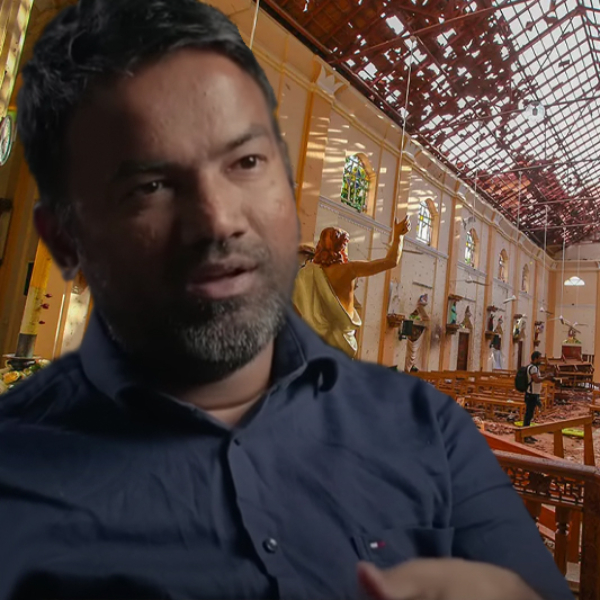
The Basis for Arrest: Does "Reasonable Suspicion" Exist?The arrest reportedly stems primarily from an investigative documentary broadcast by the British network ‘Channel 4’ in 2023, coupled with a recent complaint lodged by a senior Catholic priest with the newly appointed Secretary to the Ministry of Public Security.
- The Legal Standard:
Under Section 6 of the Prevention of Terrorism Act (PTA), a warrantless arrest requires law enforcement to possess a “reasonable suspicion” that the individual is connected to an unlawful activity.
- The Legal Argument:
The defense is expected to strongly argue before the judiciary whether a media report and uncorroborated allegations (such as the statements made by former media secretary Azad Maulana) are sufficient to establish the “reasonable suspicion” legally required to detain a high-ranking former intelligence officer for 90 days.
A Potential Violation of Fundamental Rights?A highly contentious aspect of this incident is the CID’s alleged refusal to grant the suspect access to his legal counsel and immediate family members during the first two days of his custody.
- Constitutional Guarantees: Article 13(3) of the Constitution of Sri Lanka explicitly guarantees the right of any suspect to have access to legal representation.
- By denying legal counsel—an action that also starkly contradicts international human rights standards—authorities may have inadvertently handed the defense team strong grounds to challenge the arrest as “arbitrary and unlawful” before the Court of Appeal or the Supreme Court.
How Would a Confession Impact the Easter Sunday Attacks Trial?Suresh Sallay currently serves as a key prosecution witness in the ongoing special Trial-at-Bar involving 25 defendants connected to the 2019 Easter Sunday terror attacks. If a confession is extracted from him while in PTA custody, its legal applicability becomes highly complex.
- The General Law Barrier: Under Section 25 of the Evidence Ordinance, confessions made to a police officer are generally inadmissible as evidence in a court of law.
- The PTA Exception: Section 16 of the PTA provides a controversial exception, allowing confessions made to an officer of the rank of Assistant Superintendent of Police (ASP) or above to be admitted as evidence. However, such a confession can only be used against the person making it.
- Inadmissible Against Co-Accused: Even in the event Sallay is newly named as a co-accused, any confession he provides cannot be directly used as evidence against the other 25 defendants in the current trial. Sri Lankan jurisprudence imposes strict limitations on using one accused’s confession to incriminate another.

What Happens Next?Defense lawyers are expected to file a Fundamental Rights (FR) petition, arguing that the 90-day detention order issued under Section 9 of the PTA is arbitrary. During these impending hearings, the country’s apex court will be tasked with delivering a crucial ruling on whether an arrest based predominantly on allegations aired by Channel 4 holds legal validity.
(Note: This article is a legal analysis based purely on existing statutory provisions and reported facts regarding the incident.)