




The energy sector in Sri Lanka has reached a critical turning point. On one hand, trade unions attached to the traditional, fossil-fuel-reliant Ceylon Electricity Board (CEB) are actively justifying government actions. On the other hand, citizens have approached the Supreme Court, fighting for their constitutional right to generate their own electricity. Amidst this clash, consumers remain severely oppressed by arbitrary electricity tariff revisions implemented by bypassing the legal authority of the Public Utilities Commission of Sri Lanka (PUCSL).
Pro-Government Trade Unions and the Coal Controversy
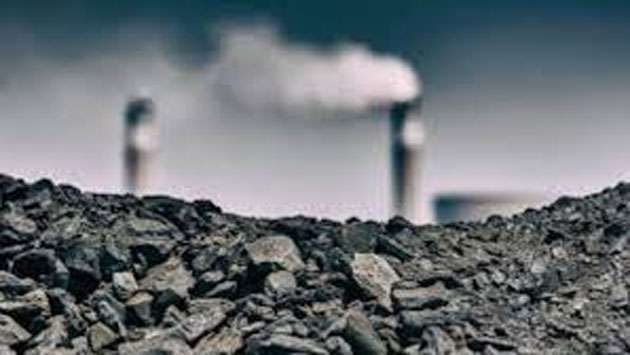
Recently, intense public debate arose over allegations that newly imported coal shipments were of substandard quality. However, the Ceylon Electricity Board Engineers’ Union (CEBEU) has vehemently rejected these claims, expressing a stance seemingly favorable to the government’s narrative.
- The CEBEU’s Stance: Speaking to the media (ITN), CEBEU Executive Member Mr. Sadaruwan Manchanayake stated that no one can definitively claim the imported coal is substandard.
- The Justification: He further justified this position by pointing out that laboratory reports have confirmed the coal meets the required technical standards.
These statements suggest that while the rest of the world is rapidly transitioning away from coal, local institutional structures are still attempting to protect and justify an expensive, environmentally detrimental, fossil-fuel-based system.
Bypassing the PUCSL and the Electricity Tariff Tragedy
The direct consequence of relying on expensive fossil fuels has been the skyrocketing of consumer electricity bills. Electricity tariffs have been hiked, and purchasing rates for rooftop solar power have been drastically reduced—all enacted arbitrarily and completely ignoring the approvals and recommendations of the PUCSL, the sole regulatory authority mandated to determine electricity tariffs.
These arbitrary decisions have severely discouraged the production of low-cost solar energy, thereby increasing the dependence on high-cost, fuel-based electricity generation. Ultimately, it is the general public that is forced to pay the price for this mismanagement.
A Historic Turning Point: The Battle to Make Renewable Energy a Public Right
A monumental legal step was taken today (24th) at the Supreme Court against the traditional energy monopoly and these arbitrary tariff revisions. A Fundamental Rights (FR) petition, filed by Mr. Sankha Chandima Abeywardena, the Convener of the Front to Protect Renewable Energy, highlights several crucial demands:
- Recognition as a Fundamental Right: Requesting the Supreme Court to legally recognize the public’s right to generate their own renewable energy (such as solar power) as a constitutionally protected right.
- Annulment of Unconstitutional Circulars: Declaring the reduction of solar power purchasing rates—implemented without PUCSL approval—as unconstitutional, and seeking the annulment of the relevant gazettes and circulars.
- Economic and Job Security: Protecting the investments of over 100,000 “prosumers” who currently supply over 1,700 MW to the national grid, while safeguarding the livelihoods of more than 60,000 technical professionals and engineers engaged in the solar industry.
If this petition is successful, the arbitrary tariff revisions introduced during the tenures of previous Presidents Ranil Wickremesinghe and Anura Kumara Dissanayake could be annulled, strongly reaffirming the exclusive regulatory authority of the PUCSL.
Global Trends and the Future of Sri Lanka
Today, the leading global energy trend is Decentralized Renewable Energy. Sri Lanka has a declared national target to meet 70% of its electricity demand through renewable sources by 2030, alongside binding international climate obligations. Instead of expending effort to justify the continued use of coal, the government’s absolute focus must shift toward clean, sustainable, and cost-effective alternatives like solar power.
If the Supreme Court recognizes the generation of renewable energy as a fundamental public right today, it will undoubtedly mark a revolutionary turning point in Sri Lanka’s energy history. It will shatter the traditional energy monopoly and herald the dawn of a modern, decentralized energy era that brings true economic relief and independence to the people.