




By a special correspondent
Concerns over transparency and financial accountability have resurfaced in Sri Lanka’s transport sector as both past and present bus procurement projects come under increased scrutiny, highlighting systemic issues that continue to impact the national economy.

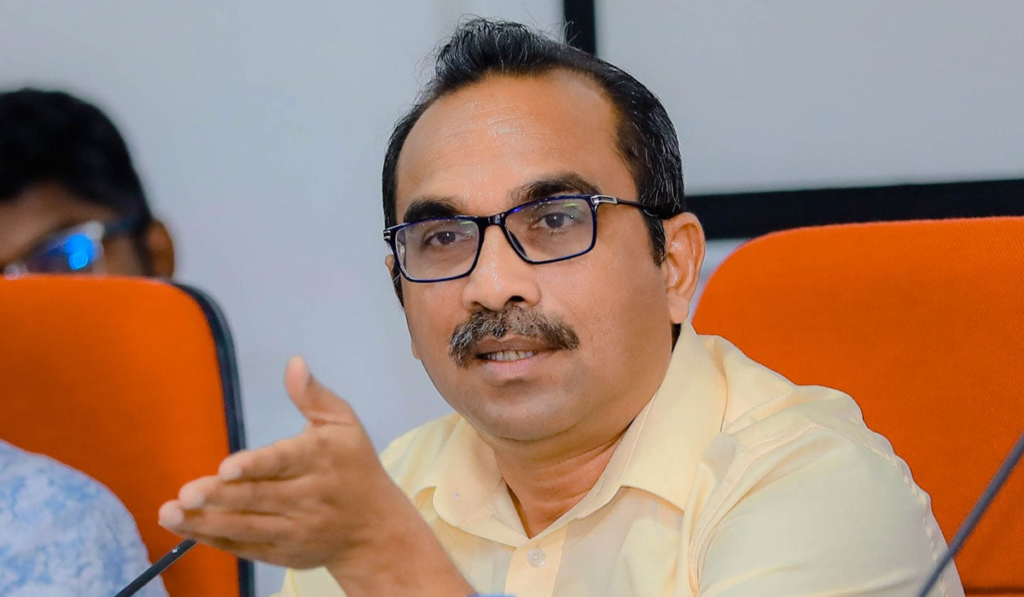
While the government is currently restoring a fleet of buses originally imported for the 2013 CHOGM summit, new controversy surrounds the introduction of low-floor luxury buses by the Sri Lanka Transport Board (SLTB) in partnership with a private company. The Chairman of the Lanka Private Bus Owners’ Association, Gemunu Wijeratne, has publicly questioned the legitimacy and financial prudence of the latest initiative.
Wijeratne has expressed support for modernizing public transport but raised serious concerns about the use of taxpayer funds. Each new bus is estimated to cost around Rs. 42 million, prompting questions about whether proper procurement procedures and tender processes were followed. Allegations suggest that established legal frameworks may have been bypassed, while requests for information under the Right to Information Act regarding the private partner involved remain only partially answered.
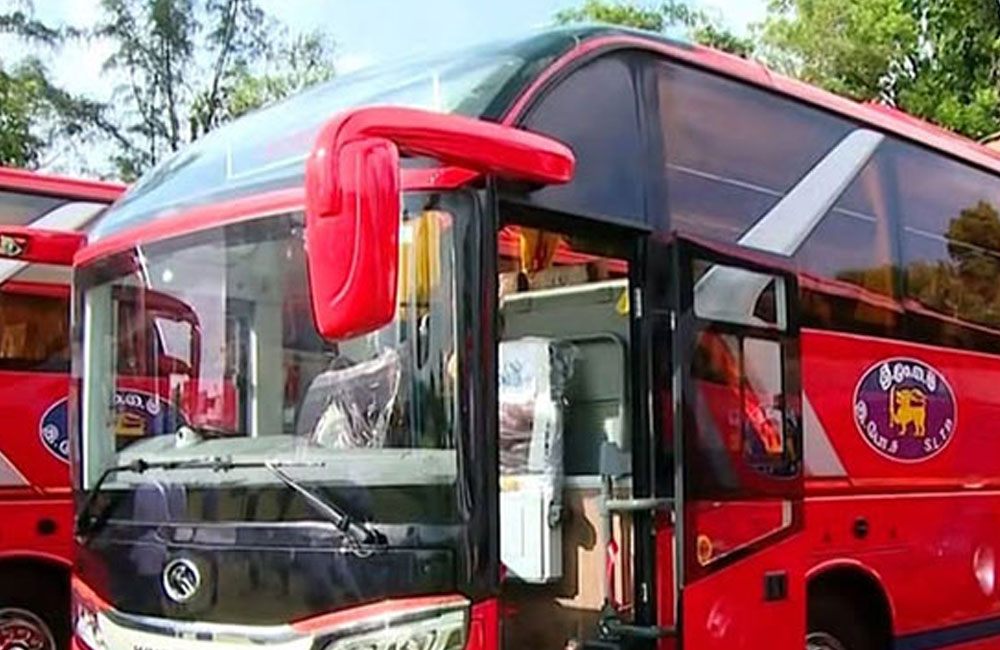
Technical and regulatory issues further complicate the matter. Wijeratne has questioned whether the buses have obtained the necessary route permits to operate within the Western Province and whether their design aligns with existing legal definitions of “luxury buses.” Despite being marketed as premium vehicles, the buses reportedly allow standing passengers, raising doubts about compliance with transport regulations.
There are also concerns about their suitability for local road conditions and the use of manual accessibility ramps instead of automated systems typically found in modern public transport. These issues point to potential mismatches between procurement decisions and practical operational needs.
The controversy echoes the earlier CHOGM bus procurement, widely criticized for overvaluation, excessive tax exemptions, and lack of strategic planning. That project not only resulted in substantial financial losses but also left a legacy of underutilized assets that are only now being rehabilitated at additional cost.
Economically, such patterns of mismanagement have far-reaching consequences. Public funds tied up in questionable procurements reduce the government’s capacity to invest in critical sectors, while inefficiencies in the transport system can hinder productivity and increase costs for commuters and businesses alike.
The government has indicated that broader reforms are underway, including measures to address corruption within the transport sector. Initiatives such as electronic ticketing aim to curb daily revenue losses estimated at nearly Rs. 20 million due to fraudulent practices.
Nevertheless, analysts argue that without consistent transparency and enforcement of procurement laws, new projects risk repeating the mistakes of the past. Wijeratne has called for authorities to publish a profit and loss statement after one month of operation for the new buses, emphasizing the need for measurable accountability.
As Sri Lanka attempts to modernize its public transport network, these overlapping controversies highlight a critical challenge: ensuring that development is driven by efficiency and public interest rather than undermined by corruption and poor governance.