




By a special correspondent
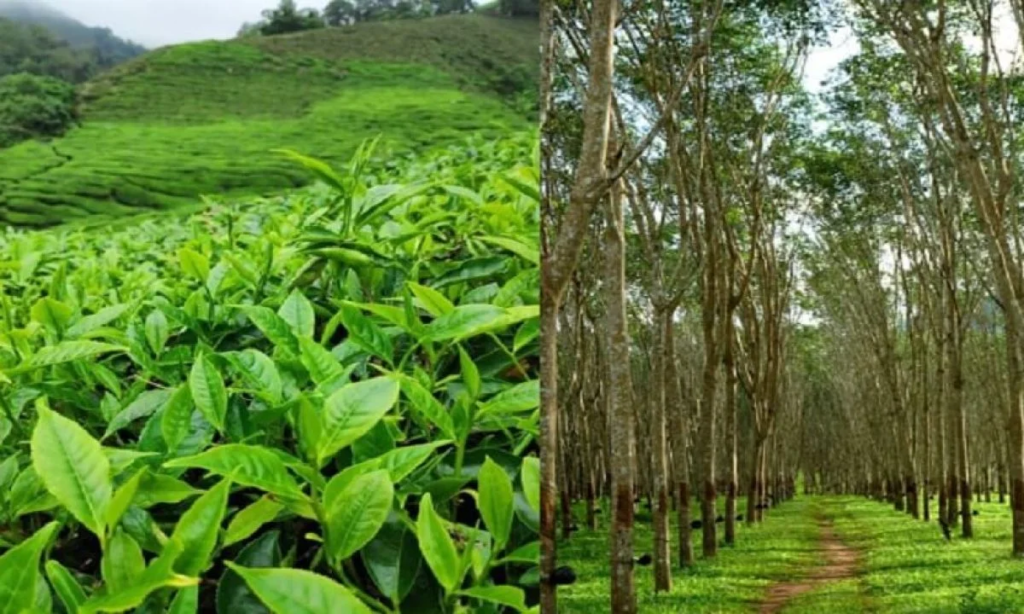
Sri Lanka’s plantation economy is entering a renewed period of vulnerability as global fertiliser markets tighten sharply due to escalating geopolitical tensions and supply chain disruptions. The Planters’ Association of Ceylon has raised urgent concerns that rising input costs and shrinking availability of fertiliser could severely undermine tea and rubber production—two of the country’s most important export earners. These sectors not only generate critical foreign exchange but also sustain hundreds of thousands of rural livelihoods, making them highly sensitive to any disruption in agricultural inputs.
At the heart of the crisis is the deterioration of global shipping and trade routes, particularly through the Strait of Hormuz, where maritime traffic has reportedly dropped sharply due to regional instability. With nearly one-third of global raw materials for fertiliser production passing through this corridor, the slowdown has created widespread bottlenecks in international supply chains. Countries dependent on imported fertiliser—including Sri Lanka—are now experiencing delayed shipments, higher freight costs, and unpredictable supply schedules. This has intensified pressure on already fragile agricultural planning systems.
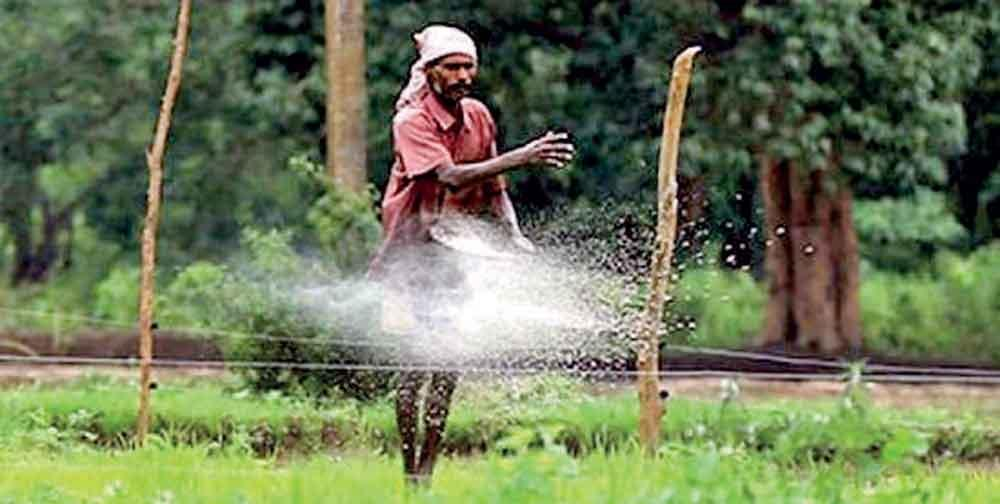
The situation is further complicated by volatility among major fertiliser-exporting nations such as Iran, Russia, Egypt, and Saudi Arabia, all of which play significant roles in global urea supply. As international prices for urea continue to rise, importing countries are forced to compete for limited volumes. Although Sri Lanka has introduced targeted fertiliser subsidies, increasing support for selected crops up to Rs. 18,000, the Planters’ Association of Ceylon argues that such measures only partially cushion the impact of structural shortages and do not resolve the underlying supply gap.
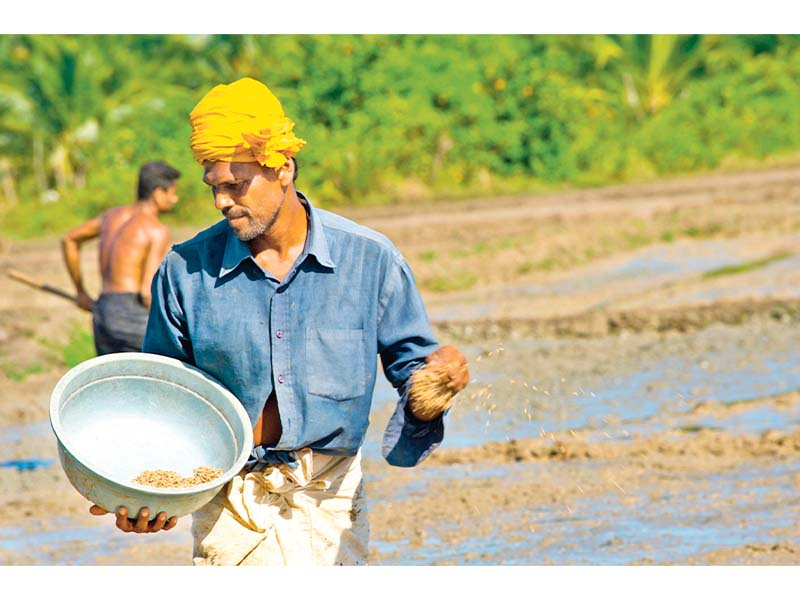
Global outlook assessments by the Food and Agriculture Organisation suggest that fertiliser prices could remain 15–20% higher in the first half of 2026 if disruptions persist. For Sri Lanka’s plantation sector, timing is critical: fertiliser application over the next two to four months will largely determine annual yield outcomes. Any interruption during this window risks reduced leaf growth in tea plantations and lower latex yields in rubber estates, with long-term consequences for export revenue.
The sector is still recovering from the severe impact of the 2021 fertiliser import restrictions, which triggered a sharp decline in agricultural productivity and took years to stabilise. Regional Plantation Companies (RPCs) and smallholders remain financially strained, facing rising production costs even before the current crisis emerged. Distribution challenges, including the limited number of authorised fertiliser importers and distributors, further complicate access and delay timely application. Without urgent reforms in supply chain management and import diversification, analysts warn that Sri Lanka’s plantation sector could face another cycle of production losses, weakening its role as a stabilising pillar of the national economy.