




By a special correspondent
The Urban Development Authority’s ambitious plan to convert historic court buildings inside Galle Fort into a tourism and IT-driven recreational zone is drawing both interest and scrutiny. Branded as the Galle Regeneration Project, the initiative aims to transform state-owned heritage structures into commercially viable spaces through Public-Private Partnerships (PPP), raising critical questions about preservation versus profit.

At the center of the controversy is the relocation of the High Court and Magistrate’s Court complex. Approved by Cabinet in April 2026, these colonial-era buildings are to be handed over for redevelopment once judicial functions shift to a new facility in Beligaha. Authorities argue that removing administrative institutions will ease congestion and revive the fort’s nightlife, which currently dwindles after office hours.
The regeneration plan extends beyond the courts. The Dutch-era post office is undergoing structural restoration, while retaining its original function with added tourism features. Similarly, the old police barracks and residence along Church Street have already undergone conservation work to enable adaptive reuse. These projects fall under broader conservation frameworks designed by the Galle Heritage Foundation.
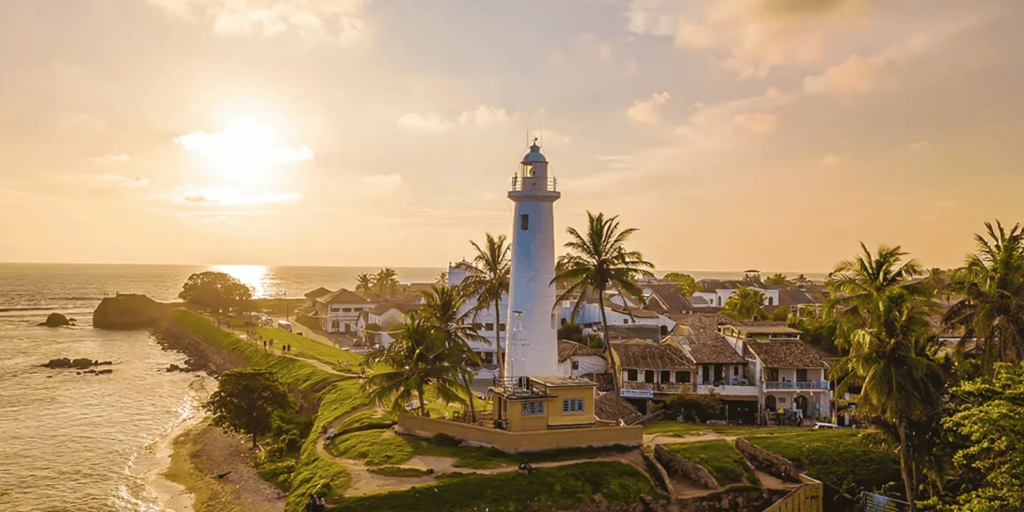
Officials emphasize that the strategy aligns with UNESCO guidelines to preserve “Outstanding Universal Value” while ensuring sustainability. Infrastructure upgrades such as improved rampart walkways and monument lighting funded by international partners are also part of the plan.
However critics warn that commercialization risks diluting the fort’s historical authenticity. The transformation of the Dutch Hospital into a high-end retail and dining precinct is often cited as both a success and a cautionary tale. While it boosted tourism, some argue it shifted focus away from cultural heritage toward elite consumerism.
Concerns also linger about the displacement of civic functions. The relocation of courts, police residences, and other state institutions could fundamentally alter the fort’s social fabric, turning it into a tourism enclave rather than a living heritage site.
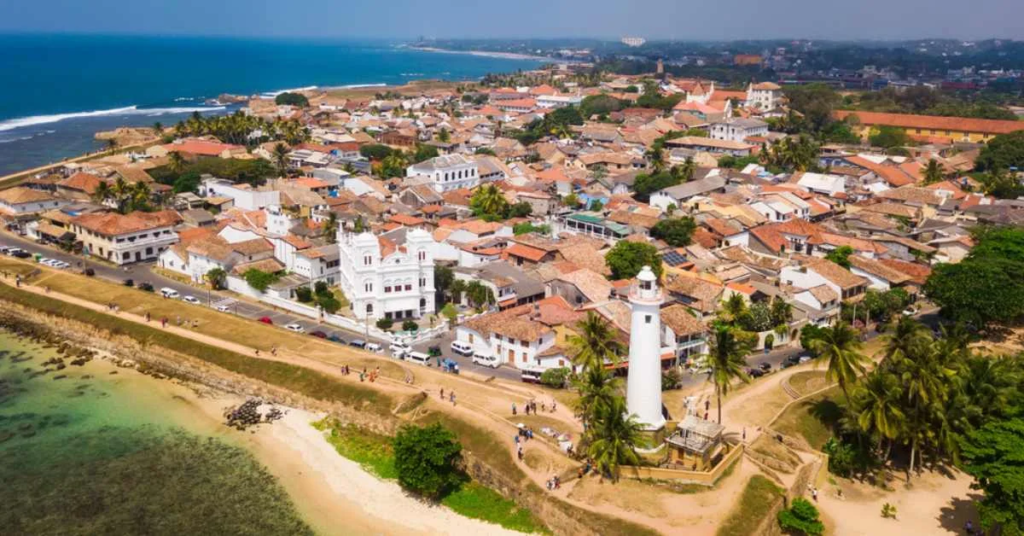
With over 300,000 visitors annually, Galle Fort is already one of Sri Lanka’s most visited destinations. The government’s vision is to expand this appeal by creating a vibrant, round-the-clock tourism hub. However, balancing economic development with historical integrity remains a delicate challenge.
As redevelopment progresses, the success of the project may ultimately depend on whether it can preserve the fort’s identity while adapting it to modern demands without reducing history to a commercial backdrop.