




By a special correspondent
The mysterious disappearance of a beloved leopard in Yala National Park has ignited more than just an investigation it has triggered a deep national reckoning about wildlife protection under the current political leadership.
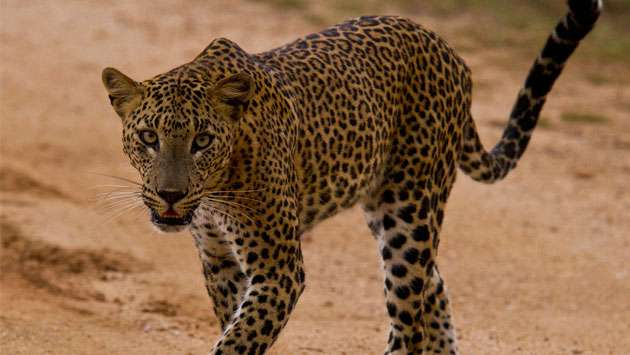
“Lucas,” a majestic male leopard known to wildlife photographers and safari regulars alike, is feared dead following reports that he may have been struck or even deliberately targeted by a safari jeep within the park. While the truth remains uncertain, the emotional fallout is already undeniable.
Officials from the Department of Wildlife Conservation have launched an urgent probe, temporarily suspending a safari vehicle suspected to have been in the vicinity. Legal action under the Fauna and Flora Protection Ordinance could follow if wrongdoing is proven.
Yet beyond the legalities lies a more troubling question: how safe are Sri Lanka’s most treasured wild animals in a system increasingly driven by tourism pressure?
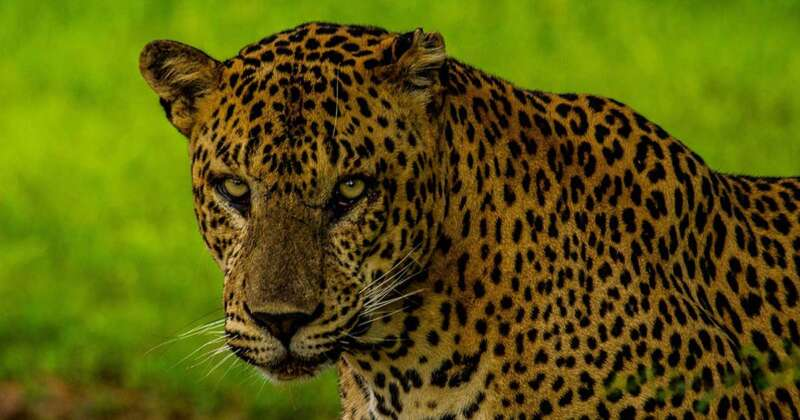
Lucas was not just another leopard. He was a symbol of Yala’s rich biodiversity, of Sri Lanka’s global wildlife appeal, and of the delicate balance between conservation and commerce. His frequent appearances drew visitors from across the world, making him an unspoken ambassador of the forest
Now, his absence speaks volumes.
The incident has also cast a spotlight on governance under the National People’s Power administration, led by the Janatha Vimukthi Peramuna. Critics argue that stronger enforcement, clearer safari regulations, and better monitoring systems should already be in place especially in high-traffic zones like Yala.
Meanwhile, conflicting narratives have only fueled public anxiety. Safari jeep operators deny any confirmed involvement, while social media continues to circulate unverified claims. Authorities have urged restraint, but the damage to public trust may already be done.
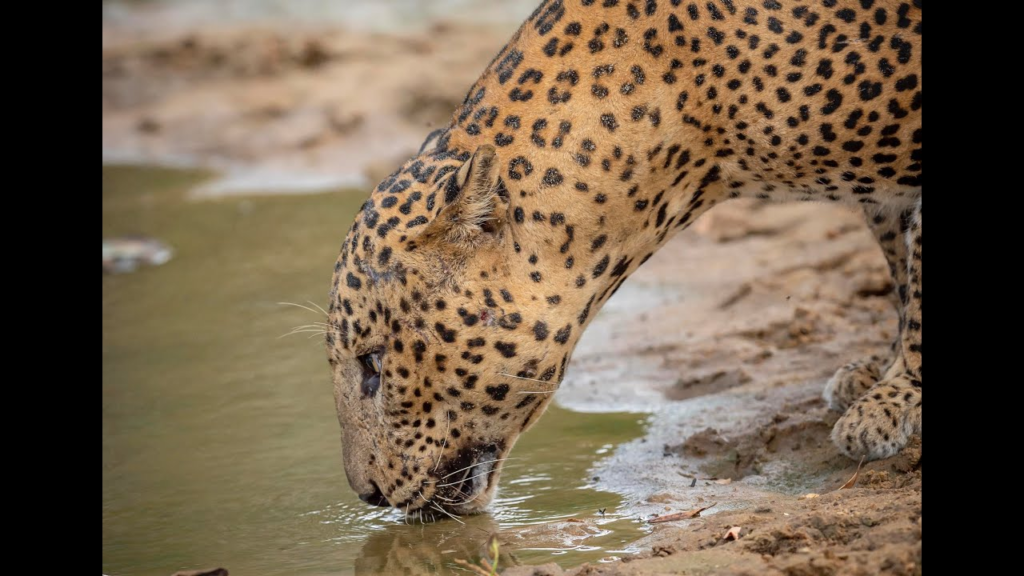
At its heart, this is not just a story about one leopard. It is about a nation grappling with its identity as a wildlife haven. Can economic ambition coexist with ethical conservation? Are safeguards robust enough to prevent such tragedies?
If Lucas is indeed gone, his legacy may be more than his striking coat or commanding presence. It may lie in forcing Sri Lanka to confront uncomfortable truths and to decide whether its wildlife is truly protected, or merely promoted.