




By a special correspondent

The confrontation involving the United States and Iran has intensified geopolitical tensions in the Middle East a region that plays a crucial role in Sri Lanka’s economy through remittances, trade, and employment.
Analysts at First Capital Research warn that the crisis could have serious implications for financial flows, exports, and business confidence in Sri Lanka.
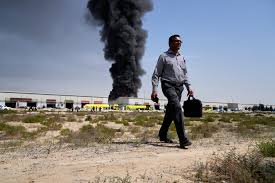
Remittance Risks for Banking Sector
One of the biggest vulnerabilities lies in Sri Lanka’s reliance on remittances from overseas workers.
More than half of the country’s foreign remittance inflows originate from workers employed across Middle Eastern countries such as the United Arab Emirates, Saudi Arabia, Qatar, and Kuwait.
Any economic slowdown or labour market disruption in the Gulf could reduce the amount of money sent back to Sri Lanka.
This poses a direct risk to banks and financial institutions, which depend heavily on remittance-related transactions and service fees.
Lower remittance inflows could also weaken household income levels, creating a ripple effect across the domestic economy.
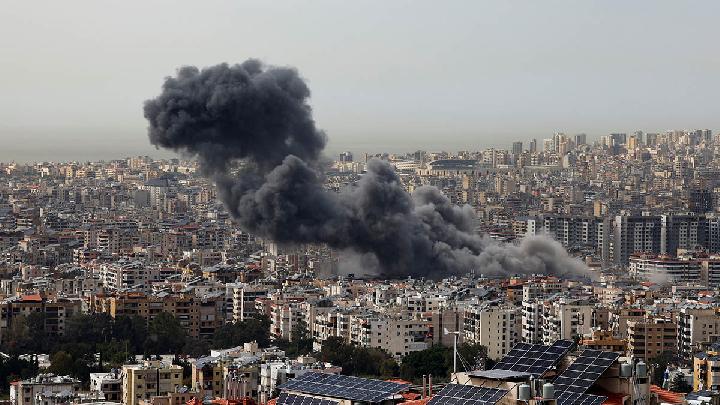
Rising Credit Risks for Finance Companies
Financial institutions may also face increasing credit stress as economic uncertainty affects household cash flows.
Leasing and finance companies are particularly exposed, since many borrowers rely on remittance income to repay loans.
If overseas workers face job losses or wage disruptions due to regional instability, loan repayment rates could decline.
This could lead to rising non-performing loans in the financial sector, placing pressure on profitability and lending capacity.
Tea Export Sector under Threat
Sri Lanka’s plantation sector is another area of concern.
The Middle East remains a critical market for Ceylon Tea exports, with countries such as Iran, Iraq, Saudi Arabia and the United Arab Emirates accounting for roughly 15 to 20 percent of Sri Lanka’s tea exports.
Economic disruption or trade restrictions in these markets could significantly reduce demand.
Such a decline would affect export revenues and profit margins for plantation companies and tea exporters.
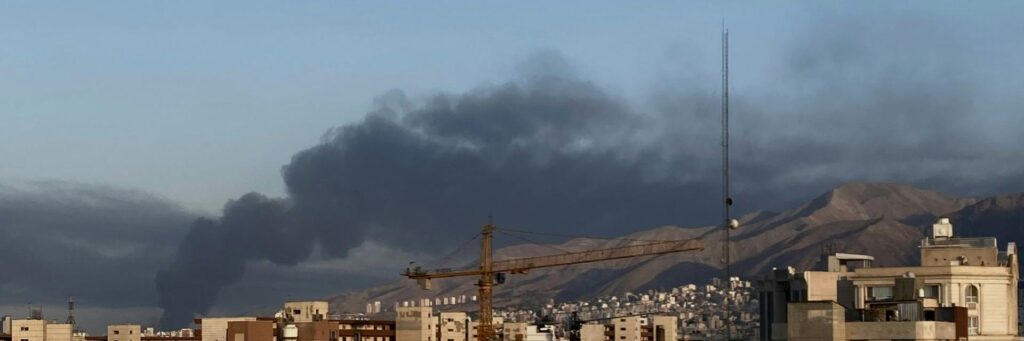
Consumer Businesses Feel Inflation Pressure
Rising global oil prices linked to the conflict are also expected to drive inflation in Sri Lanka.
Higher transportation and energy costs increase operating expenses for companies across sectors.
At the same time, inflation erodes household purchasing power, reducing consumer spending.
This combination creates a difficult environment for consumer-focused businesses, retailers, and manufacturers that rely heavily on domestic demand.
Uncertain Outlook for Corporate Earnings
While certain industries such as logistics and bunkering may see temporary gains from shifting trade routes, analysts believe the overall economic outlook remains fragile.
The combined pressures of inflation, declining remittances, export risks, and financial sector stress could undermine corporate earnings and investor confidence.
For Sri Lanka’s private sector, the Gulf conflict represents yet another external shock at a time when the country is still navigating economic recovery and financial stabilization.