




Sri Lanka’s energy establishment is facing mounting turbulence as allegations surrounding the 2025/2026 coal procurement for the Norochcholai Lakvijaya Power Plant collide with rising electricity tariffs, parliamentary scrutiny, and calls for an independent corruption probe.
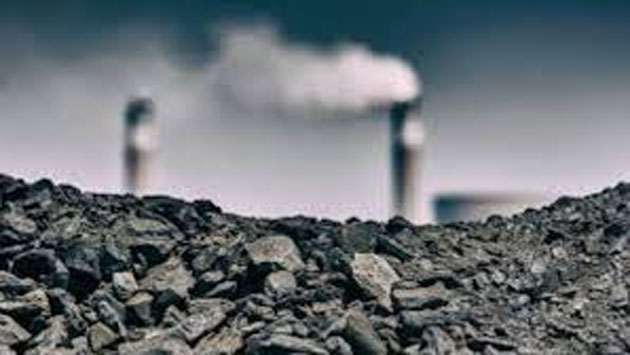
At the center of the controversy is the coal tender initiated by the Lanka Coal Company (LCC) for 1.5 million metric tonnes required between December 2025 and April 2026 to power the Lakvijaya plant. What began as a routine procurement has now evolved into a politically explosive dispute involving claims of substandard coal, altered eligibility criteria, and potential financial exposure that opposition lawmakers estimate could reach as high as Rs. 100 billion.
The unfolding crisis arrives at a precarious moment for the Ceylon Electricity Board (CEB), which has already proposed a 13.56 percent electricity tariff increase for April–June 2026 to bridge a projected Rs. 15.8 billion revenue deficit. Public consultations on the increase are scheduled by the Public Utilities Commission of Sri Lanka (PUCSL), which earlier rejected a tariff hike for the first quarter of 2026.
Opposition parliamentarians, particularly from the Samagi Jana Balawegaya (SJB), allege that the procurement process was manipulated to favor certain suppliers. They claim that the standard 42-day tender period was shortened to 21 days, limiting competitive participation. More controversially, they assert that the minimum prior import experience requirement was reduced from 500,000 metric tonnes to 100,000 metric tonnes a change that allegedly enabled less-experienced firms to qualify.
The most alarming accusation concerns coal quality. According to opposition MP S.M. Marikkar, shipments recorded a Gross Calorific Value (GCV) of 5520, allegedly below expected specifications. Inferior calorific value could mean higher coal consumption to generate the same power output, increasing operational costs and straining already fragile CEB finances.
Reports submitted to Parliament’s Sectoral Oversight Committee (SOC) on Infrastructure and Strategic Development add further complexity. The committee has been informed that previous coal shipments failing quality standards resulted in losses amounting to Rs. 7,671 million, with substantial damages yet to be recovered.
Adding to the controversy are allegations that laboratory reports identifying substandard coal were suppressed. There are also claims raised in Parliament but unproven that commissions related to the tender were deposited in an account linked to a relative of the Minister’s family.
Minister of Power and Energy Eng. Kumara Jayakody has firmly denied any wrongdoing. He insists that the procurement adhered strictly to 2023 tender guidelines and incorporated Auditor General Recommendations. According to the Minister, 26 suppliers registered for the tender and 10 valid bids were received, which he describes as a record level of participation.
Regarding the quality concerns, he has stated that load port inspections confirmed compliance with specifications. Under Clause 5.6 of the agreement, he notes, deviations would trigger a penalty of approximately USD 2.79 million, while a 10 percent performance bond remains in place as a safeguard.
The government has indicated it is awaiting comprehensive laboratory reports before drawing conclusions.
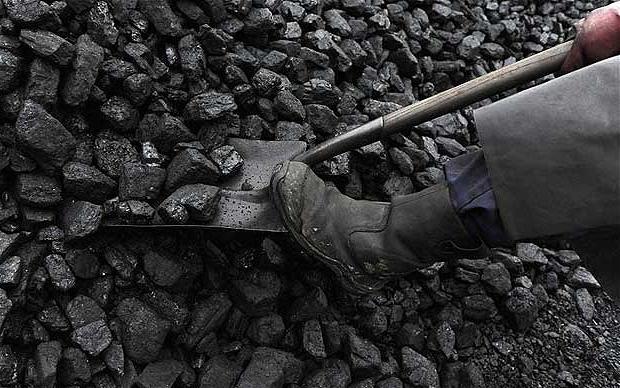
Meanwhile, the SOC continues its broader review of CEB operations, including past emergency coal purchases, investigations into former officials, and the acceleration of the Sobadhanavi plant’s transition to LNG. By February 2026, the CEB had reportedly completed four of its five planned restructuring phases a reform process closely watched by trade unions and lawmakers alike.
With electricity tariffs already under pressure and Sri Lanka’s fiscal recovery still fragile, the stakes are enormous. If the allegations of tender manipulation and substandard imports are substantiated, the financial burden could ripple through the entire power sector, potentially intensifying public anger over rising electricity costs. If disproven, the episode may instead highlight the weaponization of procurement controversies in a polarized political environment.
For now, the coal at Norochcholai is doing more than generating electricity it is fueling one of the most consequential accountability debates of 2026.