




Four years after Sri Lanka’s 2022 economic collapse, questions continue to linger over how emergency financial assistance was initially intended to be used, with renewed scrutiny focusing on the allocation of the Indian US$1 billion Credit Line negotiated during the tenure of former Finance Minister Basil Rajapaksa.
When Rajapaksa travelled to New Delhi to finalize the emergency financing package, the facility was publicly presented as a lifeline to help Sri Lanka import essential goods, including food, fuel, milk powder and life-saving medicines at a time when the country was experiencing its worst economic crisis since independence.
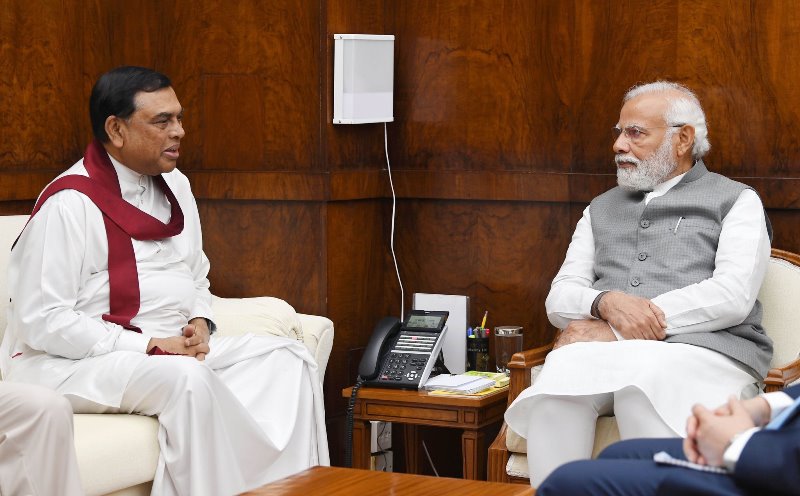
However, documents and subsequent official statements indicate that the Ministry of Finance’s initial allocation plan reserved approximately US$500 million half of the total credit facility for industrial raw materials.
The proposal immediately generated controversy because the allocation appeared to prioritize industrial imports while shortages of fuel, medicines and basic food supplies intensified across the country. Hospitals struggled to maintain essential services amid prolonged power outages, while citizens endured lengthy queues for fuel and cooking gas.
Media reports at the time alleged that preliminary discussions had explored using part of the emergency credit through the State Bank of India to finance steel imports for major construction projects and private-sector supply chains, including those linked to leading steel manufacturer Melwa.
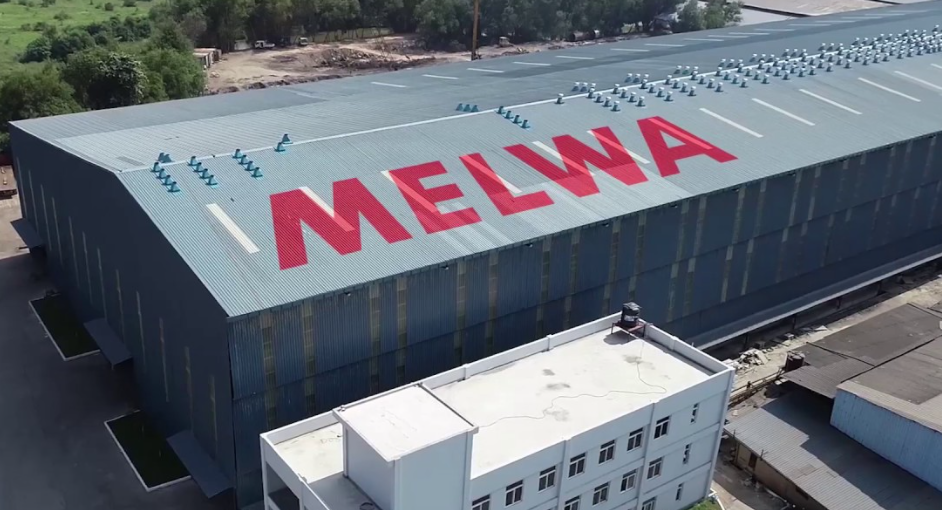
Critics argued that categorizing industrial steel as an emergency requirement effectively enabled selected industries to benefit from concessional, state-backed financing originally promoted as humanitarian assistance.
Following the public backlash, the Ministry of Finance defended its position through an official clarification, arguing that sustaining the construction industry was necessary to preserve employment, maintain industrial production and support foreign exchange earnings during an unprecedented economic downturn. Officials maintained that industrial imports formed part of broader efforts to prevent a complete collapse of economic activity.
The issue nevertheless escalated into a legal dispute after the Bar Association of Sri Lanka (BASL) challenged the allocation before the Supreme Court. The petition argued that directing scarce emergency financing toward private industrial requirements while hospitals faced medicine shortages and essential public services deteriorated amounted to an unreasonable exercise of ministerial discretion.
As public criticism intensified, the Ministry issued a further press release acknowledging that the original allocation framework had earmarked US$500 million for industrial raw materials. The statement also confirmed that approximately US$40 million had already been utilized for steel imports before the controversy prompted wider scrutiny. The disclosure added momentum to legal and public challenges over the intended use of the emergency facility.
Today, the circumstances surrounding the credit line have changed significantly. Sri Lanka has concluded its debt-restructuring agreement with India, incorporating liabilities arising from crisis-era credit facilities into a broader restructuring framework. Meanwhile, Melwa has returned to conventional commercial financing through its trading arm, Melwa International, using standard banking channels and Letters of Credit to procure raw materials. The company has also expanded its focus toward domestic manufacturing and export markets, including South Asia and Canada.
Although the immediate crisis has passed, the debate over whether emergency humanitarian financing should ever have been directed toward industrial supply chains continues to serve as a reminder of the difficult policy choices and accountability questions—that emerged during Sri Lanka’s darkest economic chapter.