




Sri Lanka’s rupee staged a notable recovery against the US dollar for the second straight trading session yesterday, easing fears of a prolonged currency slide after a week of severe market turbulence driven by global energy shocks and investor anxiety.
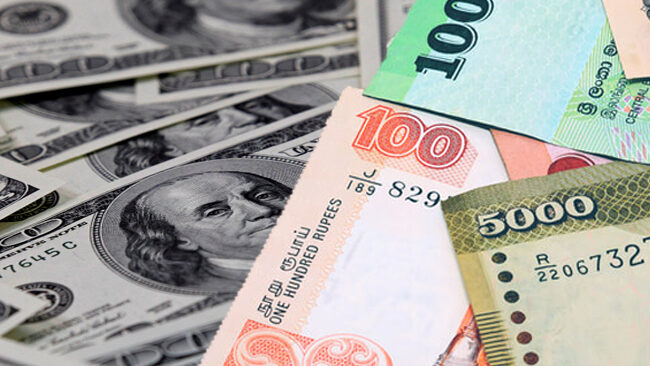
Interbank spot contracts for the rupee closed at Rs. 325.50 buying and Rs. 327.00 selling, a significant improvement from Friday’s close of Rs. 329.00 and Rs. 335.00. The local currency had plunged to its weakest level last week, touching Rs. 331 to Rs. 348 on Thursday, before the Central Bank of Sri Lanka (CBSL) intervened through moral suasion to stabilise the market and restore confidence among dealers.
The indicative telegraphic transfer exchange rate also improved sharply, closing yesterday at Rs. 326.01 buying and Rs. 336.42 selling compared to Thursday’s distressed levels of Rs. 342.63 and Rs. 354.03.
Analysts say the rupee’s sudden volatility reflects broader economic uncertainty across Asia rather than isolated domestic weaknesses. Frontier Research noted that several regional currencies have experienced similar fluctuations amid escalating global energy prices, capital outflows, and fears surrounding geopolitical instability.
The research firm pointed out that Sri Lanka’s current external buffers particularly its Balance of Payments surplus and improved foreign asset position within the banking system may help cushion the economy from immediate external shocks despite the heightened uncertainty.
Regional peers have suffered even sharper currency declines. Indonesia’s rupiah dropped to a record low of 17,658 against the US dollar this week as investors questioned the country’s fiscal outlook and governance framework. Meanwhile, India’s rupee has become emerging Asia’s worst-performing currency this year, depreciating by more than 6% as foreign investors pulled over $20 billion from Indian equity markets following the outbreak of war-related global tensions.
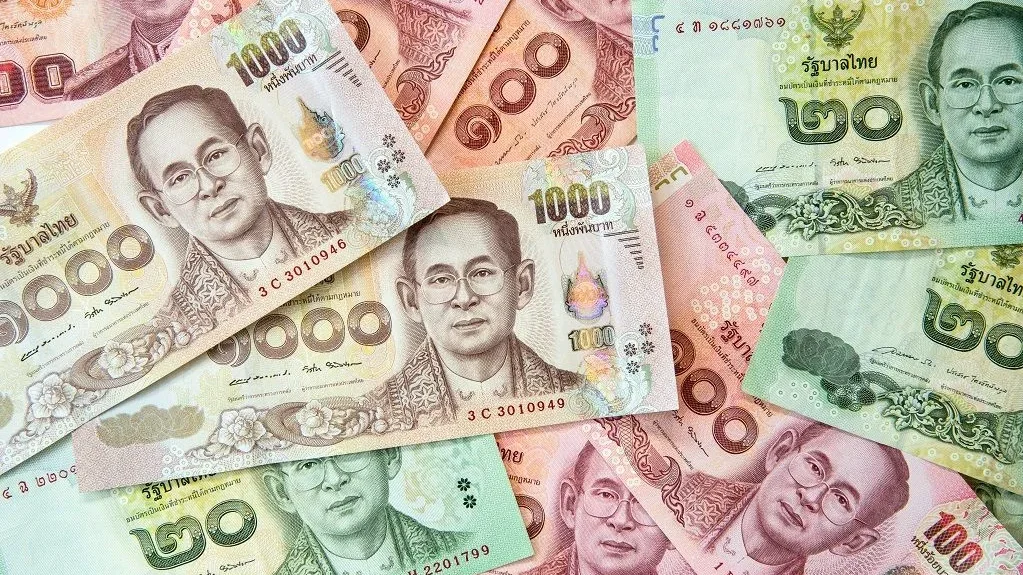
Thailand’s baht has also weakened considerably, falling 2.72% year-to-date under pressure from rising energy import costs and mounting fiscal concerns.
Economists warn that oil-importing economies across Asia are particularly exposed to simultaneous capital outflows and escalating import bills, while expectations of higher US interest rates continue to strengthen the dollar globally.
In contrast, currencies such as the Singapore dollar and Malaysian ringgit have shown resilience. Analysts attribute this to Singapore’s reputation as a financial safe haven and Malaysia’s advantage as a net energy exporter benefiting from elevated oil prices.
Despite the recent volatility, BMI, a unit of Fitch Solutions, believes Sri Lanka is unlikely to face another Balance of Payments crisis. Singapore-based analyst Carolyn Pang projected that the rupee could strengthen to around Rs. 320 per US dollar by the end of the year, supported by anticipated declines in global oil prices and tighter monetary policy by the CBSL.
Pang also suggested that geopolitical tensions linked to the Iran conflict may ease in the coming months, potentially reducing pressure on global energy markets and emerging-market currencies.
For now, Sri Lanka’s currency recovery offers temporary relief, but analysts caution that global developments particularly oil prices and US monetary policy will continue to dictate the rupee’s direction in the months ahead.
By a Special Correspondent